
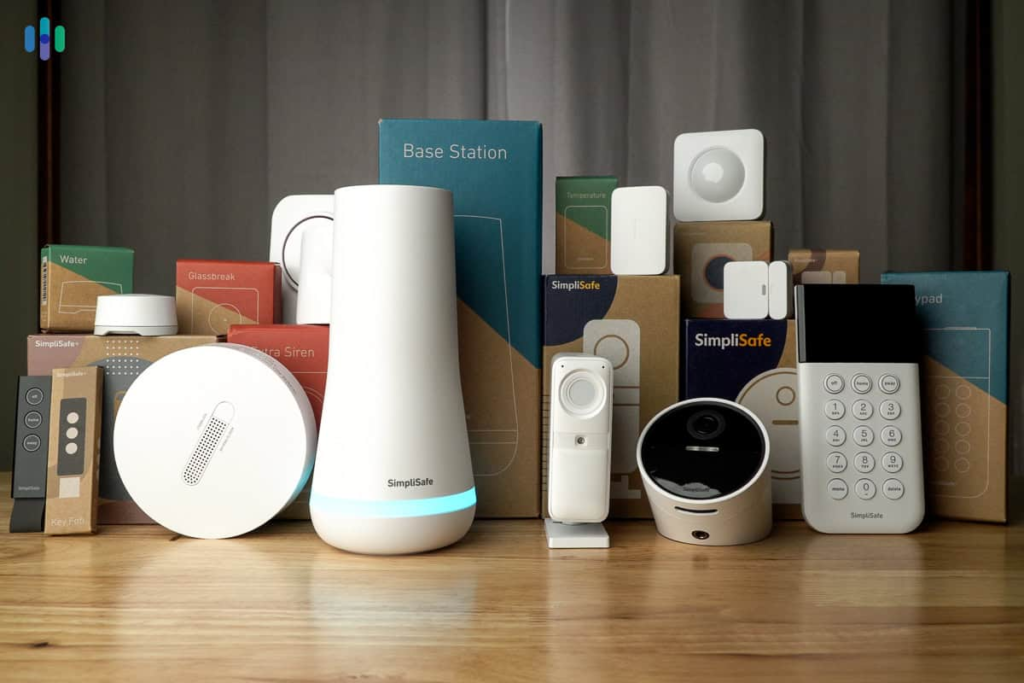

Protecting our homes used to mean checking the deadbolt, leaving a porch light on, and hoping for the best. But as we move through 2026, the baseline for keeping our households safe has drastically evolved. Today, safeguarding our properties isn’t just about reacting to a broken window or an unexpected knock; it’s about establishing an intelligent, interconnected ecosystem that stops trouble before it ever reaches your front steps. Technology has shifted from clunky, passive alarms to proactive systems powered by localized artificial intelligence, seamless smartphone integration, and lightning-fast edge processing. Whether you are trying to secure a sprawling suburban estate, a rented inner-city apartment, or a high-rise condo, navigating the modern landscape of home security tools can feel overwhelming. However, by understanding how these tools layer together, you can design a shield that offers total peace of mind without turning your daily routine into a series of technical hurdles.
Why Home Security Tools Matter Now More Than Ever
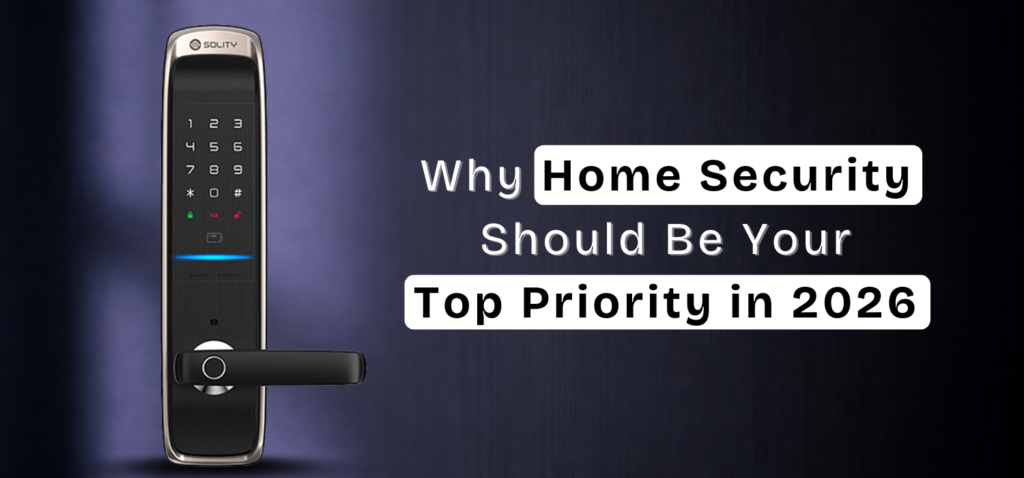
Every household faces its own unique set of vulnerabilities, meaning security is never a one-size-fits-all solution. For a busy parent, the priority might be verifying that the kids got home safely from school; for a frequent traveler, it might be stopping “porch pirates” from snatching package deliveries. Beyond the immediate, practical monitoring of daily life, visible home security assets remain the single most effective psychological deterrent against potential intruders. Modern criminals look for easy targets, and properties outfitted with visible cameras, smart lights, and sensor arrays signal that a home is actively defended. By choosing a proactive approach to security, you shift from the stress of dealing with the aftermath of a break-in to preventively mitigating risks entirely.
The Rise of Smart Security Cameras with Edge AI
Smart security cameras have undergone a major architectural revolution. In the past, cameras were notorious for blasting your phone with endless, annoying notifications caused by blowing leaves, heavy rain, or a neighbor’s passing cat. Today, top-tier brands like Google Nest (fully integrated with ADT systems) and Eufy rely heavily on “Edge AI”—meaning the visual data is processed locally right on the device rather than being sent to a distant cloud server. This shift provides lightning-fast processing speeds, drastically cuts down on notification fatigue, and protects your family’s data privacy by keeping your footage inside your own walls. With crystal-clear 2K HDR video, color night vision, and the ability to distinguish precisely between a vehicle, a stray animal, a package delivery, or a recognized family member, these outdoor and indoor cameras form the eyes of your modern security system.
Video Doorbells: Guarding the Front Porch
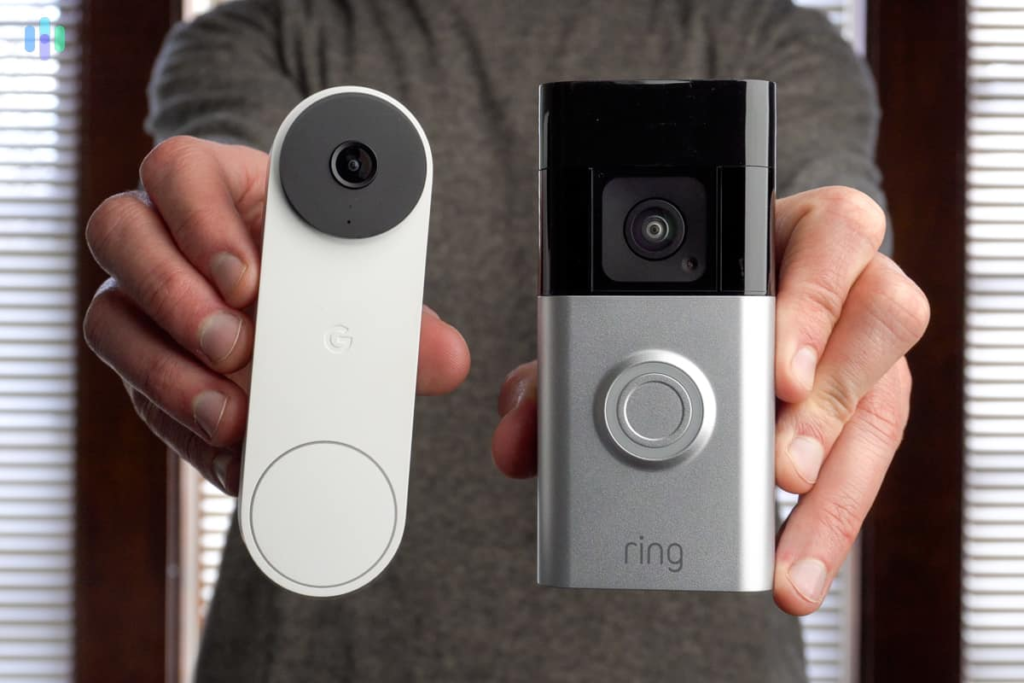
The video doorbell is arguably the most mainstream smart home security device, with over half of modern households utilizing one as their primary security tool. Major players like Ring continue to dominate this space because they turn your smartphone into an active, remote intercom system. If a courier drops off a package or an unannounced visitor walks up your driveway, you can instantly see, hear, and speak to them from anywhere in the world. Advanced package detection features can notify you the exact second an item touches your welcome mat and alert you if someone lingers near it for too long.
Smart Door Locks and Hands-Free Entry
Fumbling around in the dark for physical brass keys is rapidly becoming a thing of the past as smart locks achieve mainstream adoption. The cutting-edge trend involves Ultra-Wideband (UWB) technology and the new industry standard known as Aliro. Devices like the Aqara U400 smart lock allow for true hands-free entry; the door unlocks automatically as you approach simply by recognizing your iPhone or smart device in your pocket—no tapping required. Furthermore, smart locks allow you to generate temporary, time-restricted digital PIN codes for house cleaners, dog walkers, or visiting family members, ensuring you never have to hide a physical key under a doormat again.
Next-Generation Motion Sensors and Presence Detection
Traditional motion sensors are being completely phased out by a technology known as mmWave (millimeter-wave) presence sensing. Older motion detectors only triggered if a person was physically moving across the room, often leaving you in the dark if you sat still reading a book. The mmWave sensors are so precise they can detect the micro-movements of a human breathing. This means your system knows with absolute certainty if an unauthorized person is hiding silently inside a room, virtually eliminating false alarms while maximizing detection sensitivity.
Smart Alarm Systems: A Centralized Line of Defense

A single camera or lock is useful, but the true strength of a home security strategy lies in how well those components communicate with a central alarm hub. Systems like SimpliSafe lead the DIY market with their innovative “Active Guard Outdoor Protection,” which allows live monitoring agents to visually verify an intrusion via your cameras and actively speak through the two-way audio to warn trespassers away before they can even touch your door. For those who prefer a completely hands-off approach, high-end white-glove systems like Vivint offer complete professional installation and hardware integration that coordinates locks, cameras, and emergency response teams instantly if an incident unfolds.
Smart Lighting as a Visual Deterrent
Lighting is one of the easiest, most cost-effective layers of defense you can add to your home security plan. Brands like Govee have popularized smart outdoor floodlights and immersive lighting arrays that link directly to your camera systems. If an outdoor camera spots movement in your backyard after midnight, your smart exterior lights can immediately flash to full brightness, stripping away the cover of darkness that intruders rely on. Additionally, you can configure “Away Mode” routines that turn random interior lights on and off while you are vacationing, perfectly mimicking the natural daily rhythms of an occupied home.
Window and Door Sensors: Securing Common Entry Points
Because windows and side doors are highly vulnerable points of entry during a break-in, compact contact sensors are absolutely essential. Modern sensors, like Arlo’s multifunction 8-in-1 sensors, do far more than just track open-and-close statuses. They can sense sudden temperature swings, act as motion detectors, and even listen for the distinct acoustic signature of shattering glass. If a ground-floor window is compromised, these sensors immediately broadcast an emergency signal to your alarm hub, triggering the main indoor siren and pushing an instant alert to your smartphone.
The Power of Unified Home Security Monitoring Apps
Having ten different security gadgets is useless if you need ten separate applications just to see what is going on. The massive industry push toward the Matter 1.5 connectivity standard has largely solved this problem, allowing devices from different brands to communicate flawlessly inside a single app framework. Whether you prefer using Apple Home, Google Home, Amazon Alexa, or a proprietary dashboard like the new ADT+ app, you have a unified command center. From a single mobile interface, you can check live camera feeds, lock the back door, arm the perimeter alarm, and review historic incident timelines seamlessly.
Navigating the Ethics and Privacy of AI Features

As artificial intelligence weaves deeper into our home security tools, striking a careful balance between safety and personal privacy is crucial. Features like facial recognition are incredibly convenient, but they require homeowners to think about where their data lives. Features like Ring’s “Search Party” feature—which uses AI to scan neighborhood camera networks for missing pets—spurred significant debate regarding public surveillance and opt-out defaults. When selecting security tools, look for systems that encrypt all video files and offer robust local storage options (such as local SD cards or home base stations) so you retain total ownership of your family’s private moments.
Cyber-Hardening Your Smart Home Networks
Because modern physical security relies entirely on digital infrastructure, your home Wi-Fi network is essentially your first real line of defense. Hackers rarely pick physical locks anymore; instead, they exploit weak digital passwords and unpatched device firmware to disable cameras or spy on households. To build a secure, cyber-hardened network, always change the default factory passwords on your router and devices, activate multi-factor authentication (MFA) on all security accounts, and split your security hardware onto a dedicated “Guest” Wi-Fi network away from your personal laptops and smartphones.
Tailoring Security to Your Specific Property
The perfect security setup looks different for everyone. If you rent a small apartment, you should focus on a completely wireless, non-damaging DIY system like a simple starter kit from SimpliSafe or Abode, relying on adhesive entry sensors and a battery-powered video doorbell. If you own a large suburban home, your strategy should lean into heavy outdoor coverage: multiple hardwired PoE (Power over Ethernet) cameras, motion-activated floodlights, smart deadbolts on all exterior doors, and a professionally monitored alarm backup system to cover all potential blind spots.
Critical Mistakes Homeowners Should Avoid
The most common point of failure in modern home security systems isn’t the technology itself—it’s human maintenance. Many people set up their equipment and completely forget about it until a crisis occurs. Devices fail when batteries die unnoticed in window sensors, when camera lenses get covered in dust or spiderwebs, or when firmware updates are ignored for months at a time. Furthermore, relying entirely on a single tool—like assuming a video doorbell is enough to protect a whole house—leaves your property incredibly vulnerable. True protection requires a thoughtful, multi-layered approach.
The Horizon of Connected Home Security
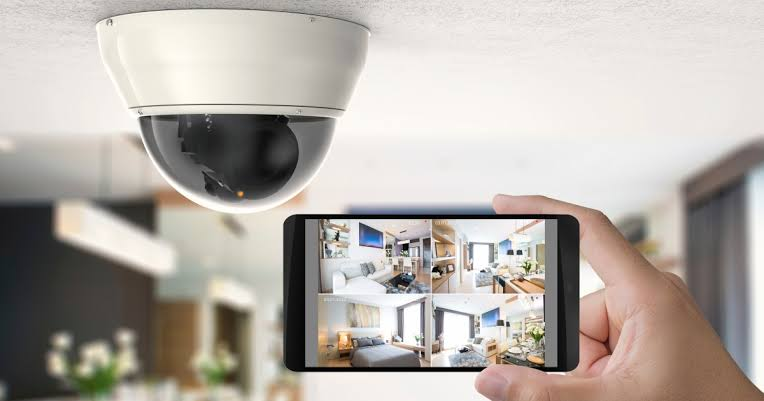
Looking forward, home security is moving away from manual operation and toward entirely predictive, automated safety networks. Future platforms will integrate seamlessly with your smart vehicles, neighborhood safety grids, and personal wearables to dynamically adjust your home’s security posture as you come and go. We are entering an era where your home will actively understand its surroundings, recognizing unusual anomalies and subtly alerting you to potential threats before they ever manifest into a break-in.
Securing Your Space
Investing in modern home security tools is no longer a luxury reserved for high-end properties; it is a fundamental pillar of managing a safe, functional, and modern household. By taking advantage of AI edge detection, hands-free UWB locks, and unified cross-brand app ecosystems, you can build a system that is incredibly tough on intruders while remaining beautifully effortless for your family to use day in and day out. Take the time to assess your property’s specific weak spots, start building out your layers of defense, and enjoy the profound peace of mind that comes with knowing your sanctuary is fully protected.
Frequently Asked Questions
Q1: What are the absolute essential home security tools to buy right now?
Smart security cameras with local AI processing, video doorbells, smart locks, and mmWave presence sensors are the core tools you need.
Q2: Should I pick a DIY security system or pay for a professional installation?
Go with a DIY system like SimpliSafe if you want low costs and flexibility, or opt for a premium system like Vivint if you prefer professional installation and hands-off configuration.
Q3: How do I protect my smart home security network from being hacked?
Create a separate Wi-Fi guest network exclusively for your security devices, use complex unique passwords, and always enable multi-factor authentication.
Q4: Can I run a reliable home security system without paying a monthly subscription?
Yes, brands like Eufy allow you to store your video footage locally on internal hard drives with absolutely zero recurring monthly fees.