
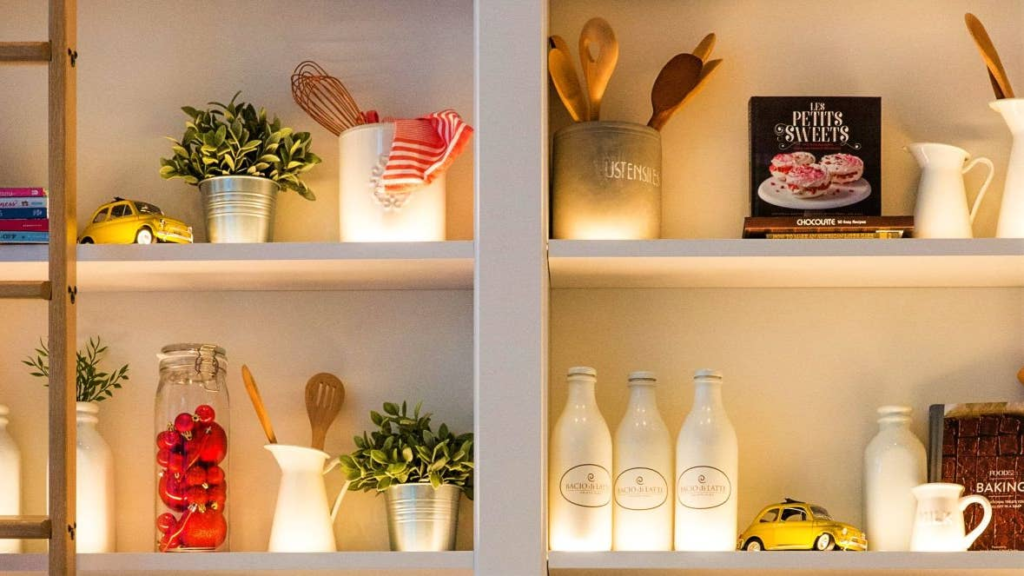

A clean and organized home isn’t about having a perfectly styled space—it’s about creating an environment that makes everyday life easier. When everything has a place, daily routines become less stressful, cleaning takes less time, and your home feels more welcoming. In 2026, organization is no longer just a trend. It’s a practical lifestyle choice that helps improve productivity, reduce stress, and make better use of your living space.
The good news is that you don’t need expensive storage systems or a complete home makeover to get organized. Small, consistent changes can make a big difference. Whether you live in a large house or a compact apartment, simple organization and decluttering habits can transform every room.
In this guide, you’ll discover easy and practical organization ideas that are simple to follow and effective for every home.
Why Organization and Decluttering Matter
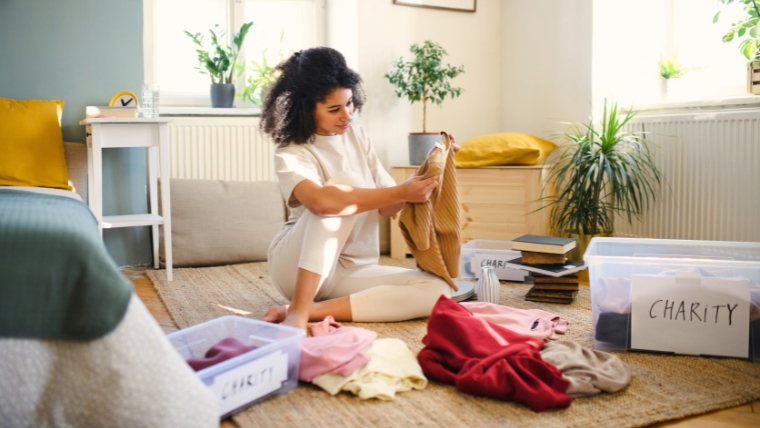
A clutter-free home offers more than visual appeal. It creates a peaceful atmosphere where you can focus, relax, and enjoy your surroundings. Excess clutter often leads to wasted time searching for misplaced items, crowded spaces, and unnecessary stress.
When your home is organized, everyday tasks become easier. Cooking is more enjoyable in a tidy kitchen, getting ready in the morning takes less time, and maintaining cleanliness requires less effort. Decluttering also helps you identify what you truly need, reducing unnecessary purchases and saving money over time.
An organized home supports a healthier lifestyle by creating spaces that are functional, comfortable, and easier to maintain.
Start with One Room at a Time
One of the biggest mistakes people make is trying to organize the entire house in a single day. This often leads to frustration and unfinished projects.
Instead, focus on one room at a time. Begin with a smaller area such as a bathroom, entryway, or bedroom closet. Completing one space gives you a sense of achievement and motivation to continue.
As each room becomes organized, maintaining it becomes much easier than constantly starting over.
Follow the “Keep, Donate, Recycle, and Discard” Method
Decluttering becomes much simpler when every item has a clear destination.
As you go through your belongings, separate them into four categories:
| Category | What to Do |
|---|---|
| Keep | Items you regularly use or genuinely need. |
| Donate | Good-quality items someone else can use. |
| Recycle | Paper, plastic, electronics, or recyclable materials. |
| Discard | Broken, damaged, or unusable items. |
This method helps reduce decision fatigue and keeps the decluttering process organized.Create a Home for Everything
One of the easiest ways to stay organized is by giving every item a designated place.
Keys can stay in a small tray near the entrance. Important documents belong in labeled folders. Kitchen utensils should remain in dedicated drawers, while remote controls can be stored in a small basket in the living room.
When every item has a home, putting things away becomes a natural habit instead of a chore.
Maximize Vertical Storage
Many homes have unused wall space that can be transformed into valuable storage.
Floating shelves, wall hooks, pegboards, and hanging organizers help free up countertops and floor space while keeping frequently used items within easy reach.
Vertical storage works especially well in kitchens, bathrooms, laundry rooms, and home offices where space is often limited.
Organize Your Closet by Category
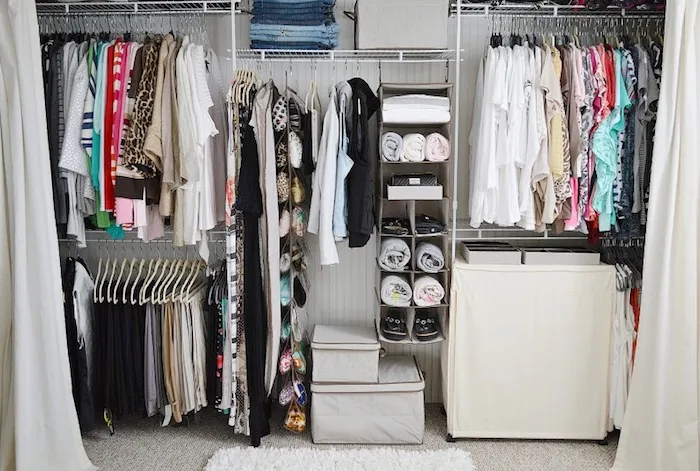
Closets often become cluttered because clothes are placed randomly.
Instead of organizing by color alone, group clothing by category. Keep shirts together, pants together, jackets together, and seasonal clothing stored separately.
Matching hangers create a cleaner appearance, while labeled storage boxes help keep accessories organized.
Review your wardrobe every few months and donate clothes you no longer wear.
Simplify Your Kitchen
The kitchen is one of the busiest areas in any home, making organization especially important.
Store similar items together. Keep spices near the stove, baking supplies in one cabinet, and everyday dishes close to the dishwasher.
Clear storage containers make pantry items easier to identify while reducing food waste. Labeling shelves and containers also helps everyone in the household return items to the correct place.
A well-organized kitchen saves time during meal preparation and makes cooking more enjoyable.
Reduce Paper Clutter
Mail, receipts, manuals, and paperwork can quickly pile up if left unmanaged.
Create a small filing system for important documents such as warranties, financial records, and medical information. Scan papers whenever possible and store digital copies securely.
Recycling unnecessary paperwork immediately prevents clutter from building up again.
Use Storage Baskets and Containers
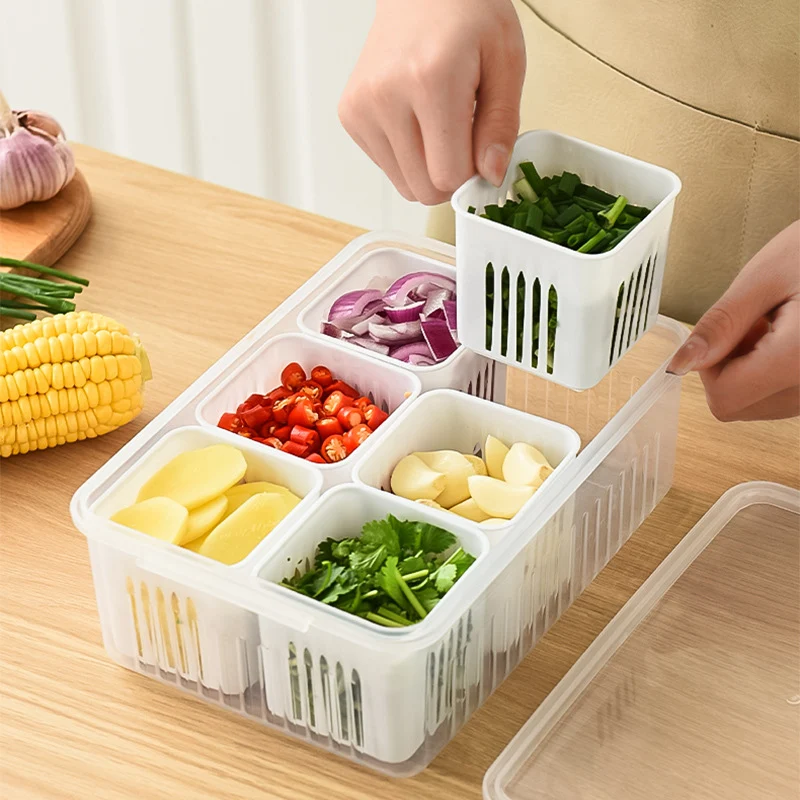
Storage baskets are one of the simplest organization tools available.
They help group similar items together while keeping shelves and cabinets neat.
Use baskets for:
- Children’s toys
- Blankets
- Bathroom supplies
- Cleaning products
- Charging cables
- Pet accessories
Transparent containers work well for pantry organization because you can quickly see what’s inside.
Organize Small Spaces Efficiently
Even the smallest homes can feel spacious with smart organization.
Furniture with built-in storage, under-bed containers, foldable tables, and stackable bins maximize available space without creating clutter.
Avoid overcrowding shelves and furniture. Leaving a little empty space creates a cleaner and more open appearance.
Build Daily Organization Habits
Organization isn’t something you do once—it’s a habit.
Simple daily routines make a big difference over time.
Spend five to ten minutes each evening putting items back where they belong. Make your bed every morning, wash dishes after meals, and avoid leaving clothes on chairs or floors.
These small habits prevent clutter from becoming overwhelming.
Declutter Digital Spaces Too

Organization extends beyond physical belongings.
Digital clutter can make devices slower and information harder to find.
Delete unnecessary files, organize photos into folders, unsubscribe from unwanted emails, and back up important documents regularly.
Keeping your digital life organized improves productivity just as much as organizing your home.
Involve the Whole Family
Maintaining an organized home becomes much easier when everyone participates.
Assign age-appropriate responsibilities to family members, such as putting toys away, organizing shoes, or keeping personal spaces tidy.
Simple storage labels make it easier for children to learn where items belong, encouraging independence and responsibility.
Organization works best when it becomes a shared habit rather than one person’s responsibility.
Avoid Buying Unnecessary Items
One of the easiest ways to reduce clutter is to prevent it from entering your home in the first place.
Before making a purchase, ask yourself whether the item is truly needed, where it will be stored, and how often it will be used.
Thoughtful shopping helps maintain an organized home while reducing waste and saving money.
Refresh Your Home Every Season
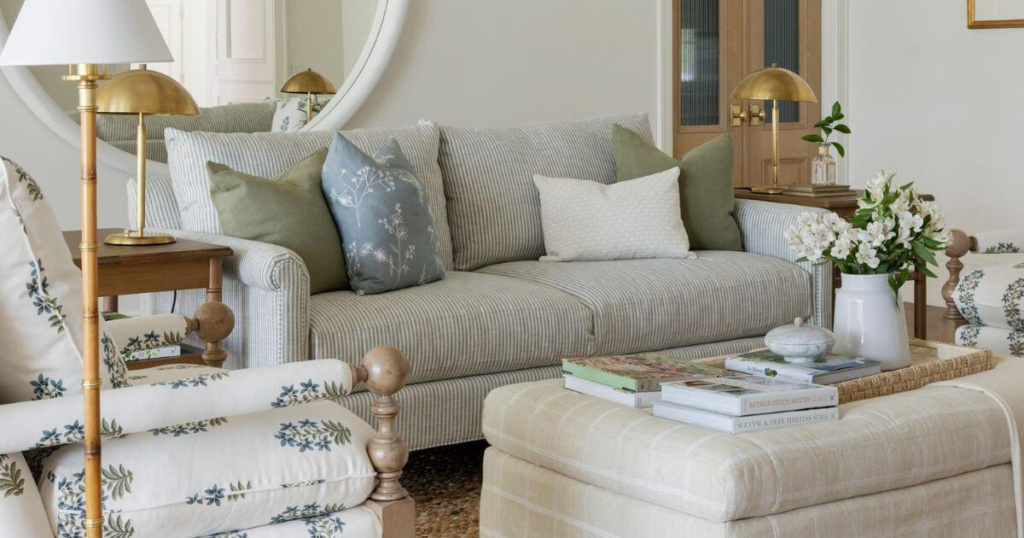
Seasonal decluttering helps prevent clutter from accumulating over time.
At the beginning of each season, review clothing, decorations, pantry items, and household supplies. Donate what you no longer use and dispose of broken or expired items.
Regular maintenance makes organization feel manageable rather than overwhelming.
Benefits of an Organized Home
A well-organized home provides lasting advantages beyond appearance.
You’ll spend less time searching for misplaced items, enjoy a more relaxing environment, clean more efficiently, and feel less overwhelmed by household tasks. Organized spaces also encourage better productivity, healthier habits, and improved overall well-being.
Most importantly, organization creates a home that supports your daily life instead of adding unnecessary stress.
Frequently Asked Questions (FAQs)
1. How often should I declutter my home?
It’s a good idea to do a quick decluttering session every month and a more thorough organization of your home every season to prevent clutter from building up.
2. What is the easiest room to start organizing?
The bathroom, bedroom closet, or entryway are great starting points because they are smaller spaces that can be organized quickly, giving you motivation to continue.
3. How can I keep my home organized every day?
Develop simple habits such as putting items back after use, making your bed each morning, cleaning up after meals, and spending a few minutes each evening tidying common areas.
4. Do I need expensive storage products to organize my home?
No. Many organization solutions use affordable baskets, boxes, shelves, and containers you may already have. The key is reducing clutter and giving every item a designated place rather than buying more storage.