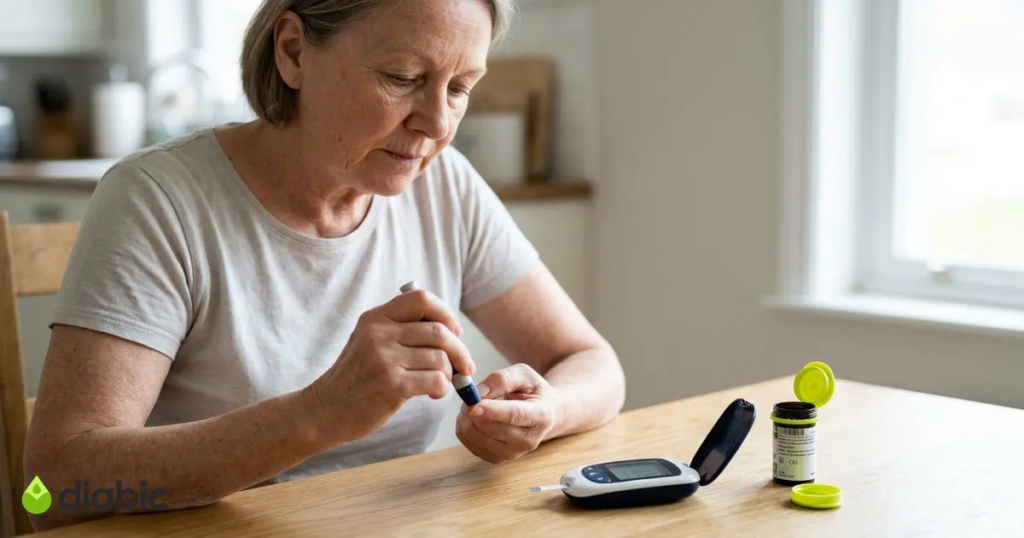

Monitoring blood sugar levels is an important part of managing diabetes and maintaining overall health. Thanks to advancements in medical technology, blood sugar monitoring devices have become more accurate, faster, and easier to use than ever before. Whether you’re newly diagnosed with diabetes, managing long-term blood glucose levels, or simply looking for a reliable monitoring solution, choosing the right device can make daily health management much simpler.
With so many glucose meters and continuous glucose monitoring (CGM) systems available, selecting the right one can feel overwhelming. Each device offers different features, accuracy levels, connectivity options, and pricing. Understanding what to look for before making a purchase will help you find a monitor that matches your lifestyle, medical needs, and budget.
Why Blood Sugar Monitoring Is Important
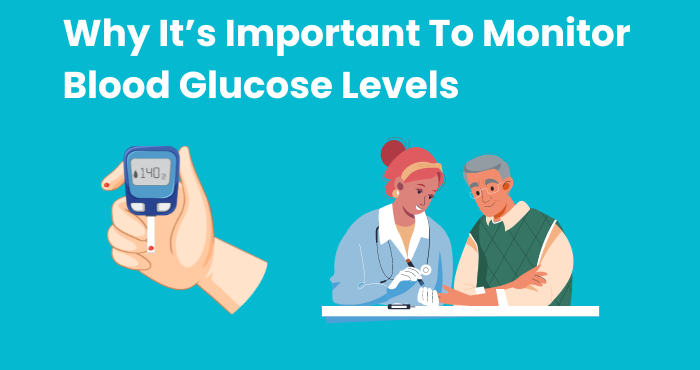
Regular blood sugar monitoring helps people understand how food, exercise, medication, stress, and daily activities affect glucose levels. It allows users to identify patterns, prevent dangerous blood sugar fluctuations, and make informed decisions about their health.
For individuals living with diabetes, consistent monitoring reduces the risk of serious complications and supports better long-term disease management. Even people with prediabetes can benefit from monitoring to better understand their body’s response to different lifestyle choices.
Understanding the Different Types of Blood Sugar Monitoring Devices
Before buying a device, it’s important to know the main types available. Traditional blood glucose meters require a small finger-prick blood sample and provide quick readings within seconds. These devices are widely used because they are affordable, portable, and simple to operate.
Continuous Glucose Monitoring (CGM) systems work differently. A small sensor placed on the skin measures glucose levels throughout the day and night, providing continuous updates. Many CGMs connect to smartphones, allowing users to view trends, receive alerts, and share data with healthcare providers.
Accuracy Should Be Your Top Priority
When choosing a blood sugar monitoring device, accuracy is one of the most important factors. Reliable readings help users make informed decisions about medication, meals, and physical activity. An inaccurate reading can lead to unnecessary concern or incorrect treatment decisions.
Look for devices that meet recognized quality standards and have positive reviews for consistent performance. Choosing a trusted brand with a proven track record can provide greater confidence in daily monitoring.
Ease of Use Matters
A device should be easy to use, especially if you’ll be checking your blood sugar several times a day. Large displays, simple navigation, quick results, and comfortable testing procedures make monitoring less stressful.
For older adults or individuals with vision or dexterity challenges, devices with backlit screens, large buttons, and voice guidance may offer additional convenience.
Check the Cost Beyond the Device
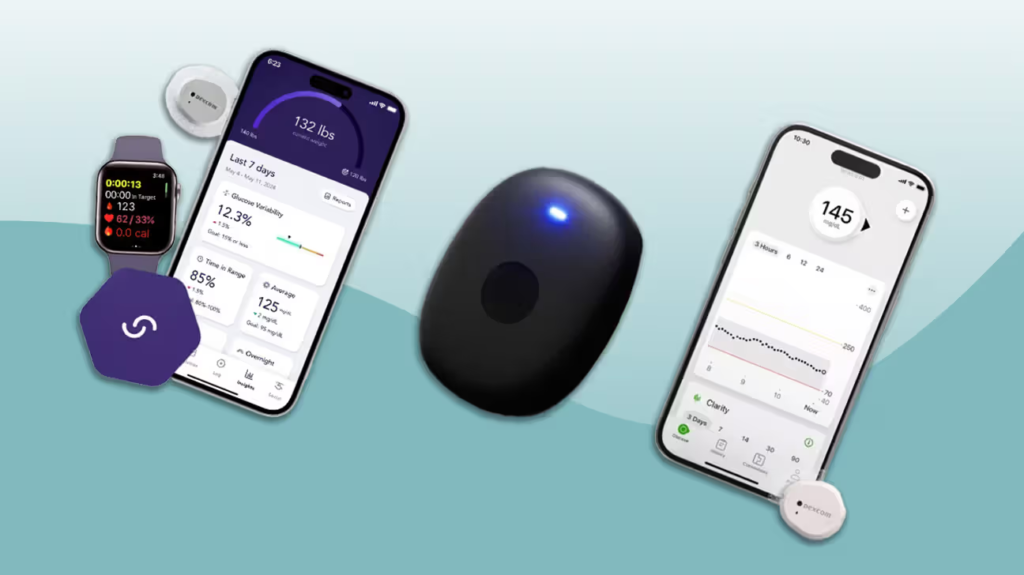
The initial price of a glucose monitor is only part of the total cost. Traditional glucose meters require test strips and lancets, which need regular replacement. Over time, these supplies can become a significant ongoing expense.
Continuous glucose monitoring systems also require replacement sensors at scheduled intervals. Before purchasing any device, calculate both the upfront cost and the long-term maintenance expenses to ensure it fits your budget.
Look for Smart Features
Modern blood sugar monitoring devices offer advanced features that improve convenience and health tracking. Bluetooth connectivity allows readings to sync automatically with smartphone apps, making it easier to monitor trends and generate reports.
Some devices also provide reminders for testing, meal logging, medication tracking, and data sharing with healthcare professionals. These features can help users stay consistent with their diabetes management plan.
Battery Life and Portability
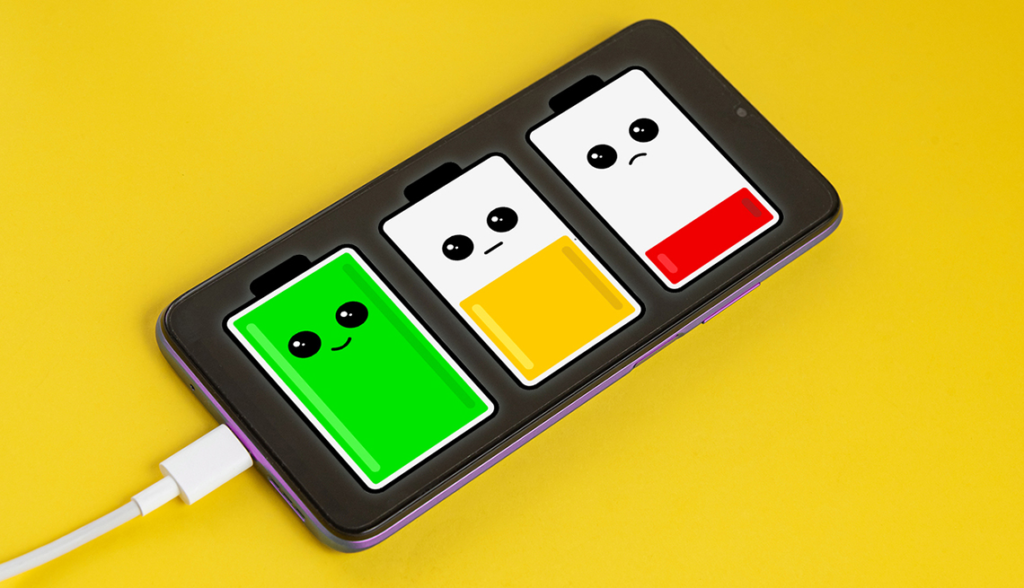
Many people carry their glucose monitor throughout the day, making portability an important consideration. Compact and lightweight devices fit easily into bags or pockets and are convenient for travel.
Battery life is equally important. A device with long battery life reduces interruptions and ensures reliable performance whenever you need to check your blood sugar.
Understanding Continuous Glucose Monitoring (CGM)
Continuous Glucose Monitoring systems are becoming increasingly popular because they provide real-time glucose data without frequent finger-prick testing. Sensors measure glucose levels continuously and display trends that help users understand how their blood sugar changes throughout the day.
Many CGMs also include alerts for high or low glucose levels, providing extra safety and helping users respond quickly to sudden changes.
Choosing the Right Device for Your Lifestyle
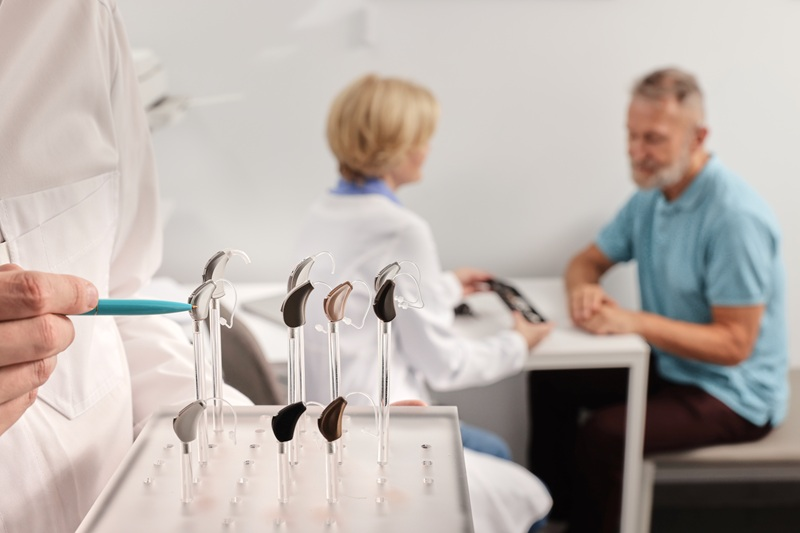
Your daily routine should influence the type of blood sugar monitor you choose. Someone who travels frequently may prefer a compact meter with a long battery life, while athletes may benefit from a CGM that tracks glucose changes during exercise.
If you prefer simple and affordable monitoring, a traditional blood glucose meter may be sufficient. If you require frequent readings and detailed trend analysis, a CGM system may provide greater convenience.
Comparison Table
| Feature | Blood Glucose Meter | Continuous Glucose Monitor (CGM) |
|---|---|---|
| Testing Method | Finger-prick blood sample | Sensor worn on the skin |
| Glucose Readings | Manual testing | Automatic continuous monitoring |
| Accuracy | High | High with real-time trend data |
| Cost | Lower upfront cost | Higher initial and ongoing cost |
| Smartphone Connectivity | Available on many models | Common feature |
| Alerts | Usually unavailable | High and low glucose alerts |
| Best For | Daily routine monitoring | Frequent monitoring and diabetes management |
Data Storage and Reporting
Many modern devices store hundreds or even thousands of blood sugar readings. This feature helps users review long-term trends without maintaining handwritten records.
Reports generated through mobile apps can also be shared with doctors during appointments, making it easier to evaluate treatment effectiveness and adjust care plans when necessary.
Safety and Hygiene

Proper hygiene is essential when using any blood sugar monitoring device. Always wash your hands before testing, use a new lancet for each finger prick, and follow the manufacturer’s cleaning instructions.
Keeping your device clean helps maintain accurate readings and reduces the risk of infection or contamination.
Common Mistakes to Avoid
Many users forget to replace test strips before they expire or fail to calibrate their devices when required. Others ignore manufacturer instructions, which can affect reading accuracy.
Avoid exposing your device to extreme temperatures, store supplies properly, and regularly review your testing technique to ensure consistent results.
Tips for Getting Accurate Blood Sugar Readings
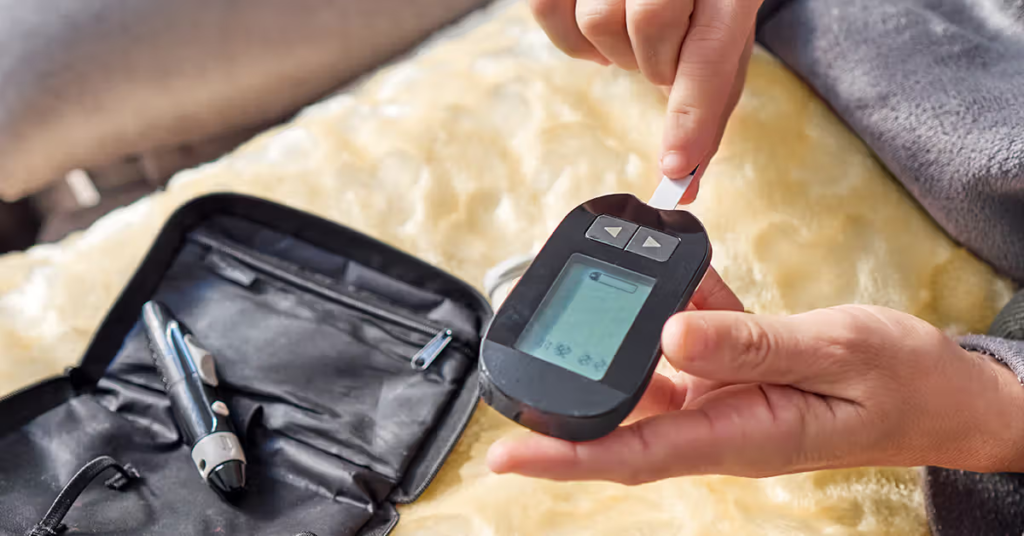
Following the correct testing procedure can improve accuracy and provide more reliable information about your health.
- Wash and dry your hands before testing.
- Use fresh test strips.
- Store supplies according to the manufacturer’s instructions.
- Replace batteries when needed.
- Follow your healthcare provider’s testing schedule.
- Keep your device clean and well-maintained.
The Future of Blood Sugar Monitoring
Technology continues to improve diabetes care. Future blood sugar monitoring devices are expected to become smaller, more comfortable, and even more accurate. Artificial intelligence will help analyze glucose trends, predict blood sugar changes, and provide personalized recommendations.
Researchers are also developing less invasive monitoring methods that may reduce or eliminate the need for finger-prick testing, making glucose monitoring easier and more convenient.
How Blood Sugar Monitoring Devices Improve Daily Life
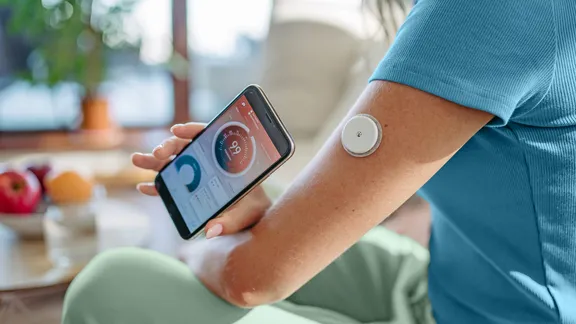
A blood sugar monitoring device does much more than display glucose readings. It helps people understand how their body responds to food, exercise, stress, sleep, and medication. By tracking these changes regularly, users can make informed decisions that support better health and reduce the risk of unexpected blood sugar fluctuations.
Many people also feel more confident when they have reliable information about their glucose levels. Instead of guessing how their body is responding, they can use accurate data to make healthier choices throughout the day.
Traditional Glucose Meters vs Smart Monitoring Devices
Traditional glucose meters remain a popular choice because they are affordable, simple to use, and provide quick results. They are ideal for individuals who only need to check their blood sugar a few times each day and prefer a straightforward testing process.
Smart monitoring devices, including Bluetooth-enabled glucose meters and Continuous Glucose Monitors (CGMs), offer additional convenience. They automatically record readings, generate reports, and sync with smartphone apps. These advanced features help users track long-term trends and share data easily with healthcare professionals.
Using Mobile Apps with Blood Sugar Monitors
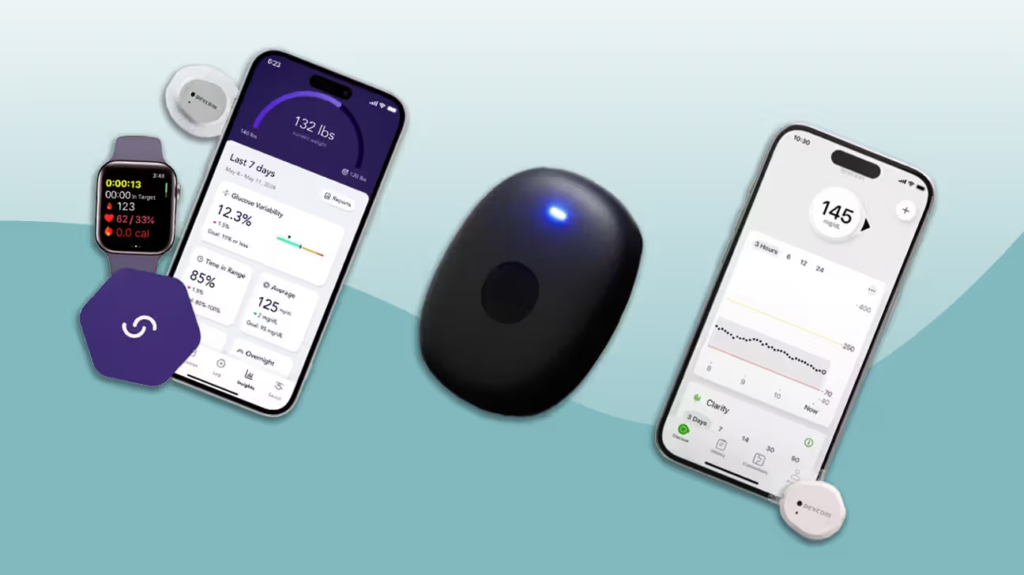
Many modern blood sugar monitoring devices connect directly to mobile applications. These apps store glucose readings automatically, reducing the need to write results in a notebook.
Most health apps also allow users to record meals, physical activity, medication schedules, and insulin doses. By combining all this information, users gain a clearer understanding of how different lifestyle choices affect their blood sugar levels over time.
Frequently Asked Questions (FAQs)
1. What is the difference between a blood glucose meter and a CGM?
A blood glucose meter requires a finger-prick blood sample for each reading, while a Continuous Glucose Monitor (CGM) uses a wearable sensor to provide glucose readings throughout the day.
2. How often should blood sugar be checked?
The recommended frequency depends on your health condition and your healthcare provider’s advice. Some people test a few times daily, while others benefit from continuous monitoring.
3. Are smartphone-connected blood sugar monitors useful?
Yes. They automatically store readings, display trends, generate reports, and make it easier to share information with healthcare professionals.
4. What should I consider before buying a blood sugar monitoring device?
Focus on accuracy, ease of use, testing method, ongoing costs, smartphone compatibility, portability, and whether the device suits your daily lifestyle and healthcare needs.