


Urban living has changed dramatically over the past few years. As cities become more connected and technology continues to evolve, people are looking for smarter ways to manage their homes, commute efficiently, save energy, and improve their quality of life. From AI-powered home assistants to smart security systems and city navigation apps, modern tools are making everyday tasks simpler and more convenient.
In 2026, smart living is no longer limited to luxury homes. Affordable technology and connected devices have made it possible for individuals and families to create safer, more efficient, and environmentally friendly living spaces. Whether you live in an apartment, townhouse, or independent home, the right tools can help you save time, reduce costs, and enjoy a more comfortable lifestyle.
This guide explores the top home and smart city tools that are transforming urban living and explains how you can choose the right solutions for your daily needs.
What Are Urban Living Tools?

Urban living tools are technologies, devices, and digital applications designed to improve life in cities. They help residents manage household tasks, monitor energy usage, enhance security, navigate traffic, access public services, and stay connected with their communities.
These tools combine smart hardware, cloud technology, artificial intelligence (AI), and automation to create a more efficient living environment. Instead of handling everything manually, users can control lighting, appliances, security cameras, and even transportation from their smartphones.
As cities continue to adopt smart infrastructure, these technologies are becoming an essential part of everyday life.
Why Smart Home Technology Matters
A smart home offers much more than convenience. Connected devices help improve safety, reduce electricity consumption, and simplify daily routines.
For example, smart lighting systems automatically adjust brightness based on occupancy or time of day. Smart thermostats optimize heating and cooling to reduce energy waste. Smart locks allow homeowners to monitor and control access remotely, while security cameras provide real-time alerts if unusual activity is detected.
By automating repetitive tasks, homeowners can spend more time focusing on work, family, and personal interests.
Essential Smart Home and Urban Living Tools
The following table highlights some of the most useful tools for modern urban living.
| Tool | Purpose | Main Benefit |
|---|---|---|
| Smart Home Hub | Connects multiple smart devices | Centralized control |
| Smart Lighting | Automated lighting | Energy savings |
| Smart Security Cameras | Home monitoring | Improved safety |
| Smart Door Locks | Remote access control | Better security |
| Robot Vacuum | Automated cleaning | Saves time |
| Smart Thermostat | Climate control | Lower energy bills |
| Air Quality Monitor | Indoor air monitoring | Healthier living |
| Navigation Apps | Traffic updates | Faster commuting |
| Public Transport Apps | Transit planning | Convenient travel |
| Smart Parking Apps | Find parking spaces | Saves time and fuel |
Smart Home Assistants
Voice-controlled assistants have become central to many smart homes.
These assistants allow users to control lights, play music, manage shopping lists, check the weather, set reminders, and operate compatible smart devices using simple voice commands.
They also integrate with other home automation systems, making it easier to control multiple devices from a single interface.
For busy households, voice assistants improve convenience while reducing the need for manual control.
Smart Security Systems
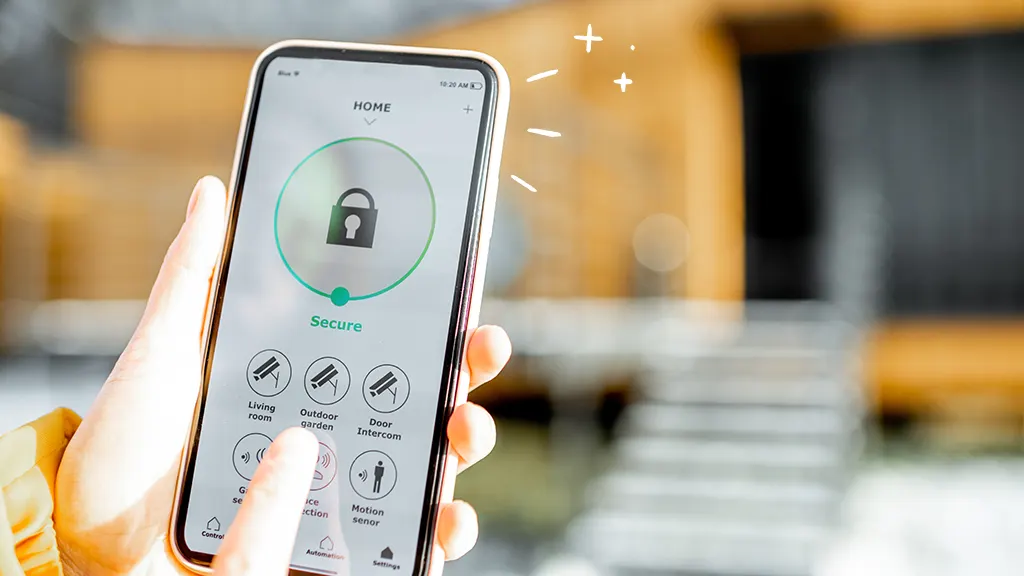
Home security technology has advanced significantly in recent years.
Modern systems include wireless security cameras, motion sensors, video doorbells, smart alarms, and remote monitoring applications. Many devices send instant notifications when movement is detected, allowing homeowners to respond quickly even when away from home.
Cloud storage and AI-powered object recognition have also improved the accuracy of security alerts by reducing false alarms.
A reliable security system offers both protection and peace of mind.
Energy Management Tools
Reducing energy consumption is becoming increasingly important in urban environments.
Smart plugs, energy monitors, and automated lighting systems help homeowners identify unnecessary electricity usage. Smart thermostats adjust temperature settings based on occupancy, weather conditions, and personal preferences.
Monitoring energy usage not only lowers utility bills but also supports more sustainable living.
Small improvements in energy efficiency can produce significant savings over time.
Air Quality and Health Monitoring
Indoor air quality directly affects health and comfort.
Smart air quality monitors measure pollutants, humidity, carbon dioxide levels, and temperature. Many devices connect with air purifiers to improve indoor conditions automatically.
For families with children, elderly individuals, or people with allergies, monitoring indoor air quality can contribute to a healthier home environment.
Clean indoor air also supports better sleep and overall well-being.
Smart Kitchen Appliances
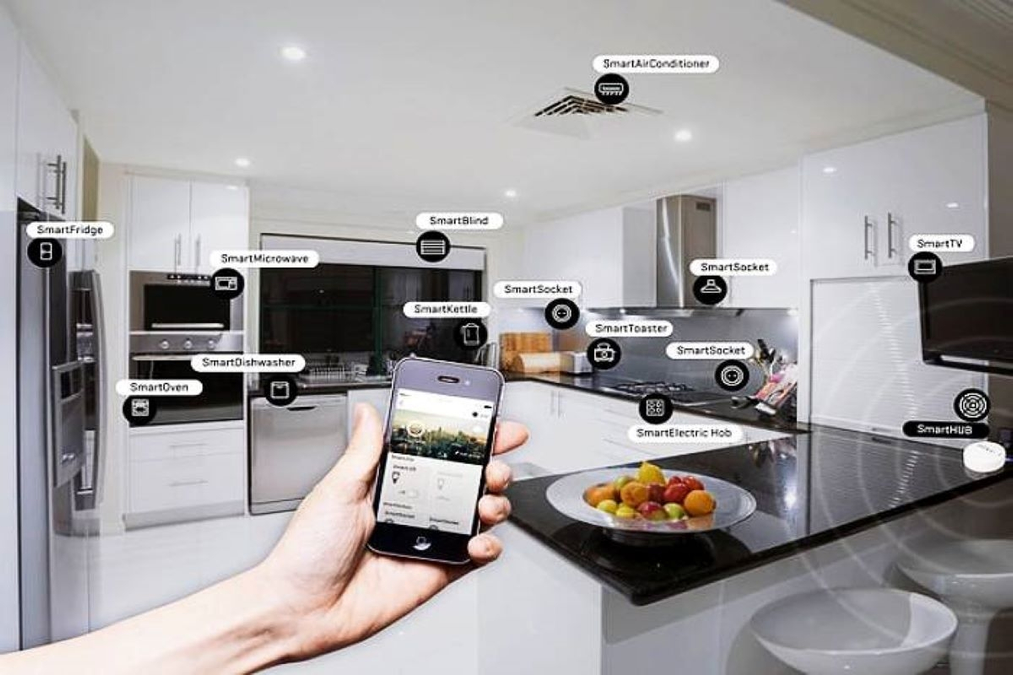
Technology has also transformed the modern kitchen.
Smart refrigerators help manage groceries, while connected ovens allow users to monitor cooking remotely. Smart coffee machines, dishwashers, and water purifiers improve convenience and reduce daily effort.
Some appliances even provide maintenance reminders and energy usage reports.
Although these devices are optional, they can simplify household management for busy professionals and families.
Navigation and Transportation Apps
Urban transportation has become more efficient thanks to smart mobility tools.
Navigation apps provide real-time traffic updates, suggest faster routes, and estimate travel times. Public transportation apps display schedules, delays, ticket information, and live vehicle tracking.
Ride-sharing applications, bicycle-sharing platforms, and electric vehicle charging station locators further improve mobility in modern cities.
Using these tools helps commuters save time while reducing travel-related stress.
Smart Parking Solutions
Finding parking in crowded cities can be frustrating.
Smart parking applications allow drivers to locate available parking spaces, compare prices, and sometimes reserve spots in advance.
Some systems use sensors to monitor parking availability in real time, reducing unnecessary driving and fuel consumption.
These technologies also help reduce traffic congestion in busy urban areas.
Digital Payment and Utility Apps
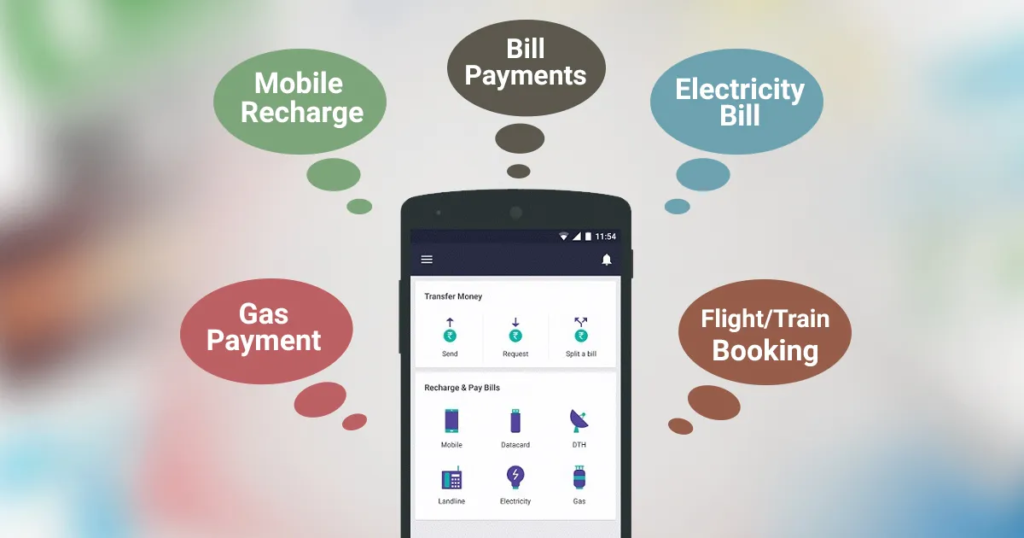
Managing household expenses has become easier with digital financial tools.
Many cities now support online payments for electricity, water, internet services, parking fees, and public transportation.
Mobile payment platforms reduce paperwork and provide convenient transaction histories for budgeting and financial planning.
Automated payment reminders also help prevent missed bills.
AI Is Transforming Urban Living
Artificial intelligence is playing an increasingly important role in smart cities.
AI analyzes traffic patterns, predicts energy demand, improves public transportation efficiency, and enhances emergency response systems.
Within homes, AI powers voice assistants, security cameras, and energy management systems that learn user preferences over time.
As AI technology becomes more advanced, urban living is expected to become even more personalized and efficient.
Choosing the Right Smart Home Tools
Before investing in smart devices, consider your specific needs.
Start by identifying the problems you want to solve. Some households prioritize security, while others focus on energy efficiency, convenience, or health monitoring.
Look for devices that are compatible with existing systems and offer reliable software updates. Reading user reviews and checking long-term support can also help you make informed purchasing decisions.
It’s often better to begin with a few essential devices and expand gradually.
Benefits of Smart Urban Living
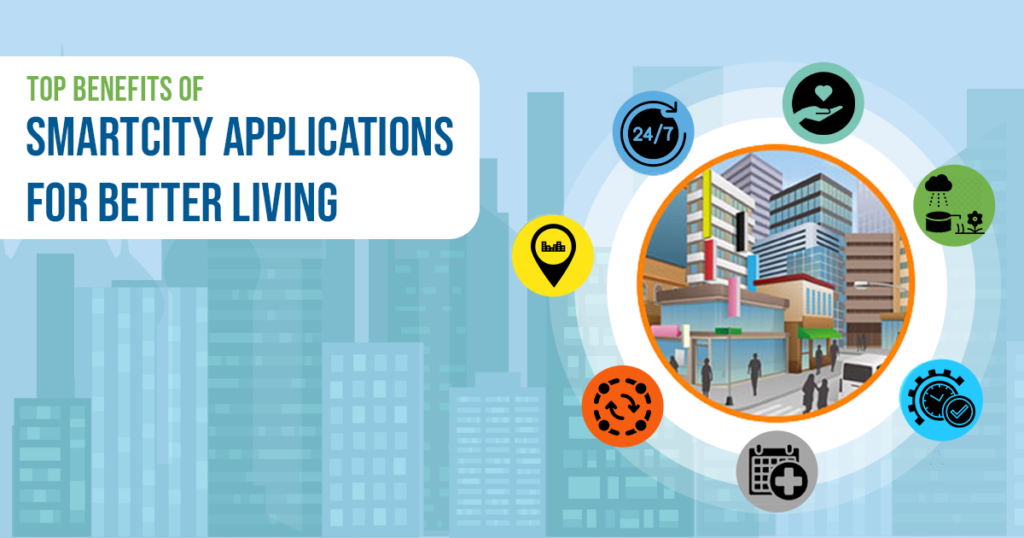
Using modern home and city tools offers several long-term advantages.
Homeowners can reduce energy costs, improve security, automate routine tasks, monitor household systems remotely, and enjoy greater convenience.
Cities also benefit from improved traffic management, better public services, lower emissions, and more efficient use of infrastructure.
As technology continues to evolve, these benefits are likely to become even more significant.
Common Mistakes to Avoid
Some users purchase multiple smart devices without checking whether they work together.
Ignoring software updates, using weak passwords, and overlooking privacy settings can also create security risks.
Another common mistake is buying technology simply because it is popular rather than because it solves a genuine problem.
Choosing quality devices that fit your lifestyle is usually more valuable than purchasing every new gadget available.
The Future of Urban Living
Smart cities continue to invest in connected infrastructure, renewable energy, and intelligent transportation systems.
Future developments are expected to include autonomous public transportation, AI-powered traffic management, expanded renewable energy integration, and even smarter home automation.
As these technologies mature, urban residents will experience more sustainable, efficient, and connected communities.
Frequently Asked Questions
1. What are urban living tools?
Urban living tools are smart devices, applications, and technologies that improve daily life in cities by enhancing home automation, transportation, energy management, and personal convenience.
2. Which smart home device should beginners buy first?
Many beginners start with smart lighting, a smart speaker or home assistant, or a smart security camera because these devices are easy to install and provide immediate benefits.
3. How do smart city tools improve daily life?
Smart city tools help reduce travel time, improve public transportation, enhance safety, simplify digital payments, optimize energy usage, and make access to city services more convenient.
4. Are smart home devices secure?
Most modern smart devices include strong security features, but users should keep software updated, use strong passwords, enable two-factor authentication where available, and purchase products from reputable manufacturers.