
Setting goals is the first step toward achieving personal and professional success, but staying committed to those goals can often be challenging. Whether you want to improve your fitness, grow your business, manage your finances, or develop new skills, having the right tool can make the journey much easier. In 2026, goal setting tools have become smarter, more intuitive, and packed with features that help users stay organized and motivated. From tracking daily habits to managing long-term projects, these tools simplify planning and keep you focused on what matters most. In this guide, we’ll compare some of the best goal setting tools available, explore their features, and help you choose the one that best fits your needs.
Why Goal Setting Tools Are Important
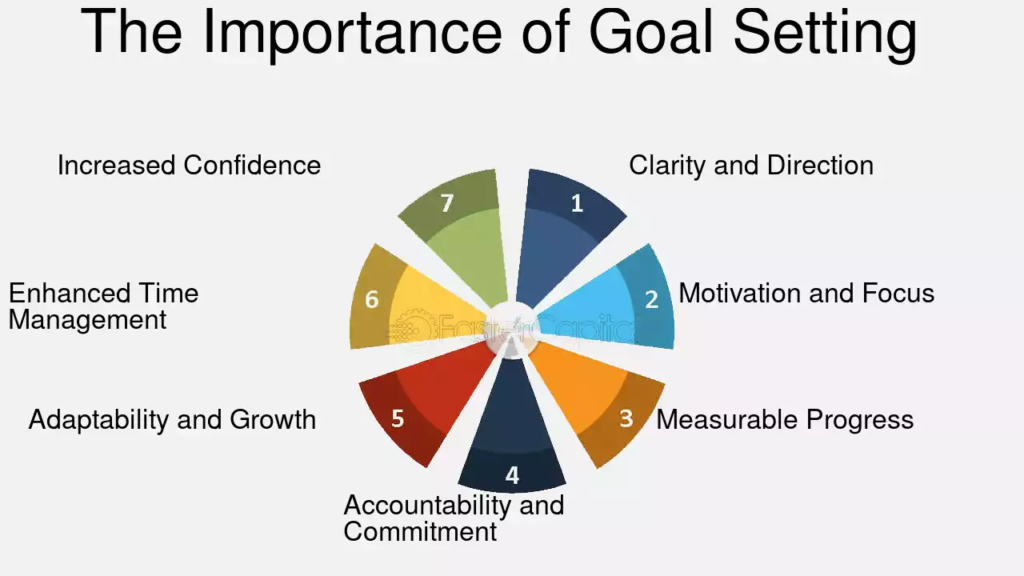
Many people start the year with ambitious goals but struggle to maintain consistency after a few weeks. Goal setting tools solve this problem by providing a structured system to plan, monitor, and evaluate progress. Instead of relying on memory or handwritten notes, these platforms allow users to create clear objectives, set deadlines, receive reminders, and track milestones. By visualizing progress, users remain motivated and are more likely to complete their goals. Whether you’re working independently or collaborating with a team, these tools create accountability and improve productivity.
Features to Consider Before Choosing a Goal Setting Tool
Not every goal setting platform is designed for the same type of user. Some focus on personal productivity, while others are built for team collaboration or business project management. Before choosing a tool, consider whether it offers task management, progress tracking, calendar integration, mobile access, reminders, habit tracking, cloud synchronization, and reporting features. A simple, user-friendly interface is equally important because a complicated system may discourage regular use. Selecting a tool that matches your workflow will help you stay consistent and organized over the long term.
Comparison of Popular Goal Setting Tools
| Tool | Best For | Key Features |
|---|---|---|
| Notion | Personal planning | Notes, databases, templates, goal tracking |
| Trello | Visual planning | Kanban boards, collaboration, task management |
| Asana | Teams & businesses | Project timelines, milestones, reporting |
| ClickUp | Productivity | Dashboards, reminders, documents, goals |
| Todoist | Daily task management | Priorities, recurring tasks, simple interface |
| Microsoft To Do | Personal organization | Daily planner, Outlook integration, reminders |
Notion: Best for Flexible Planning
Notion has become one of the most popular productivity platforms because of its flexibility. Users can build personalized dashboards for goals, journals, projects, and habit tracking without being restricted to predefined layouts. The platform offers a wide collection of templates that make it easy for beginners to get started while also providing advanced customization options for experienced users. Although it has a slight learning curve, Notion is an excellent choice for people who want complete control over how they organize their goals and daily activities.
Trello: Best for Visual Goal Tracking
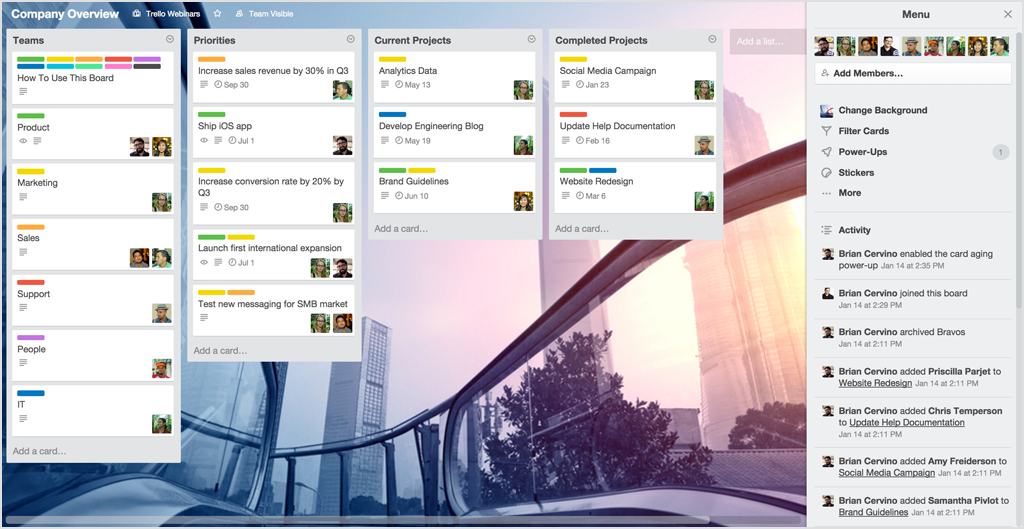
Trello uses a simple drag-and-drop board system that makes managing goals both easy and visually appealing. Tasks are organized into columns such as “To Do,” “In Progress,” and “Completed,” allowing users to monitor progress at a glance. This visual workflow is particularly useful for creative professionals, students, and small teams who prefer an organized and straightforward approach to project management. Trello’s simplicity makes it one of the easiest goal setting tools for beginners.
Asana: Best for Team Collaboration
Asana is designed for individuals and organizations that manage multiple projects simultaneously. It offers advanced features such as task assignments, project timelines, recurring tasks, workload management, and performance reporting. Teams can collaborate efficiently by sharing updates, assigning responsibilities, and tracking project milestones in real time. While Asana includes many professional features, it remains easy enough for individuals who want a structured approach to managing complex goals.
ClickUp: Best All-in-One Productivity Tool
ClickUp combines goal tracking, task management, document creation, reminders, and reporting into a single platform. This all-in-one solution is ideal for freelancers, entrepreneurs, and businesses looking to centralize their workflow. Users can create measurable goals, monitor progress through dashboards, and automate repetitive tasks to improve efficiency. Although ClickUp offers a large number of features that may seem overwhelming initially, its flexibility makes it one of the most powerful productivity platforms available today.
Todoist: Best for Everyday Goal Management
Todoist focuses on helping users organize their daily responsibilities without unnecessary complexity. The platform allows users to create tasks quickly, assign priorities, set recurring reminders, and organize projects using a clean and intuitive interface. Its simplicity makes it perfect for students, professionals, and anyone looking for a reliable task management solution. The mobile application also ensures users can manage their goals from anywhere.
Microsoft To Do: Best for Microsoft Users
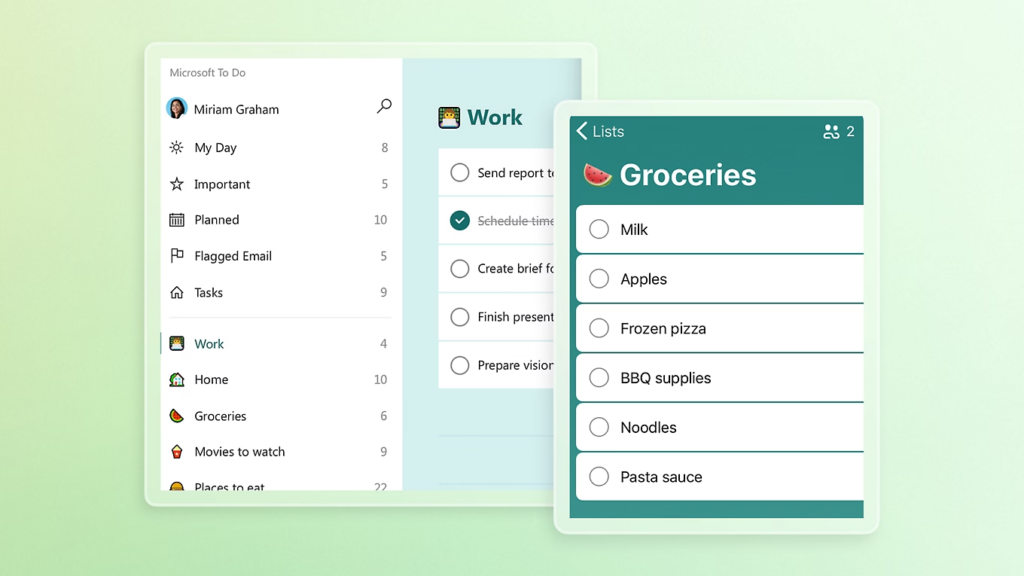
Microsoft To Do is an excellent option for users who already rely on Microsoft 365 and Outlook. The platform integrates seamlessly with Microsoft’s productivity ecosystem, making it easy to manage daily tasks, reminders, and schedules across multiple devices. While it does not include as many advanced customization features as some competitors, its straightforward design and free availability make it a practical solution for personal productivity.
How to Choose the Right Goal Setting Tool
Choosing the right goal setting tool depends on your individual needs and work style. If you enjoy customizing your workspace, Notion offers unmatched flexibility. If visual organization motivates you, Trello provides a simple and effective solution. Businesses and collaborative teams may benefit from Asana or ClickUp because of their advanced project management capabilities. On the other hand, users who simply want to organize daily tasks may find Todoist or Microsoft To Do to be the perfect fit. Before committing to a paid subscription, it’s a good idea to explore the free versions and determine which platform feels the most comfortable to use.
Tips for Achieving Your Goals Successfully
Using a goal setting tool is only part of the equation. Success also depends on developing good habits and maintaining consistency. Start by setting realistic and measurable goals that can be broken down into smaller milestones. Review your progress regularly, celebrate small achievements, and adjust your plans whenever necessary. Staying flexible while remaining committed to your objectives will help you build momentum and maintain long-term motivation.
Frequently Asked Questions (FAQs)
1. What is the best goal setting tool for beginners?
Todoist and Microsoft To Do are excellent options for beginners because they offer simple interfaces, easy task management, and quick setup without requiring technical knowledge.
2. Are free goal setting tools enough for personal use?
Yes. Most free plans offered by Notion, Trello, ClickUp, and Todoist include enough features for personal goal tracking, task management, and productivity.
3. Which goal setting tool is best for businesses?
Asana and ClickUp are among the best options for businesses because they provide advanced collaboration features, project tracking, reporting, and workflow management.
4. Can goal setting tools improve productivity?
Yes. Goal setting tools help users organize tasks, monitor progress, set reminders, and stay accountable, making it easier to remain focused and achieve long-term goals.