


Let’s be honest for a second.
We’ve all had that vacation. The one where you spent six months pinning aesthetic photos on Pinterest, created a color-coded Google Sheet broken down into 15-minute intervals, and packed three pairs of uncomfortable shoes.
Then you actually got there.
By day two, your feet were covered in blisters, you spent $40 on an overpriced cold sandwich near a crowded tourist trap, and you found yourself standing in a two-hour line under the blazing sun just to take a blurry photo of a monument you didn’t even care about—all because a blog post said it was “MANDATORY.”
That isn’t a vacation; it’s an unpaid endurance sport.
In 2026, the way we explore cities is shifting. People are tired of treating new destinations like a high-stakes scavenger hunt. We don’t just want to check off famous landmarks to prove we were there on Instagram—we want to sit in a quiet neighborhood cafe, eat incredible local food, wander down a side street without a map, and actually come home feeling refreshed instead of needing a vacation from our vacation.
Whether you’re planning a quick weekend break or a ten-day urban dive, here is a grounded, no-nonsense guide to building a city itinerary that actually works in the real world.
1. The Real-World City Planner: Matching Your Vibe to Your Trip
Not every trip requires the same pace. Before you start booking non-refundable tickets, use this cheat sheet to figure out what kind of energy you actually want to bring to your trip:
| Traveler Profile | Your Best Pace | What to Focus On | The #1 Trap to Avoid |
| The Solo Explorer | High flexibility, walk-heavy | Food markets, neighborhood walking, cozy cafes, museum mornings. | Overbooking every hour so you don’t feel “lonely.” |
| The Couple | Slow & sensory | Evening neighborhood strolls, scenic viewpoints, local wine bars, performance venues. | Cramming the schedule so tight you argue from exhaustion. |
| The Family | High structure, low density | Interactive museums, large public parks, waterfronts, early dinner spots. | Dragging tired kids through four art galleries in one afternoon. |
| The Budget Traveler | Strategic & opportunistic | Free museum days, public transit passes, street food, public parks. | Staying 90 minutes outside the city center to save $15 on a room. |
| The Food & Culture Lover | Neighborhood-centric | Regional grocery markets, local neighborhood bistros, walking food tours. | Eating at the flashy restaurant directly across from the main cathedral. |
2. The “3-Tier Anchor” Method: How to Structure Your Days

The biggest mistake people make when planning a city trip is treating every attraction like it has equal importance. If you try to see 10 “must-see” spots in a single day, you will spend your entire vacation sitting in traffic or underground on the metro.
Instead, use the 3-Tier Anchor Method. Every single day of your trip gets built around one anchor, supported by two flexible options:
                    THE 3-TIER DAILY ARCHITECTURE

     [ TIER 1: THE ANCHOR ] ──► Booked ahead (e.g., Louvre or Colosseum at 10 AM)
                │
                ▼
     [ TIER 2: THE NEIGHBORHOOD ] ──► 2-3 hours of unstructured walking & lunch nearby
                │
                ▼
     [ TIER 3: THE WILD CARD ] ──► Optional evening spot (Park, rooftop bar, or rest!)
- Tier 1: The Non-Negotiable Anchor (1 per day): Pick ONE major paid sight or timed-entry ticket (e.g., visiting the main museum, climbing an observation tower, or doing a specific food tour). Do this first thing in the morning when your energy is highest and crowds are smallest.
- Tier 2: The Surrounding Neighborhood (2-3 hours): Once your anchor is done, commit to staying in that immediate neighborhood for lunch and wandering. Don’t jump on a train to the other side of town. Explore the nearby shops, sit in a square, and get a feel for the local rhythm.
- Tier 3: The Wild Card (1 per day): Keep late afternoons and evenings totally flexible. It could be resting at your hotel, hitting a scenic park for sunset, or grabbing a drink at a neighborhood bar you stumbled across earlier.
If you accomplish Tier 1 and Tier 2, your day is an absolute success. Anything else is pure bonus.
3. The 4 Golden Rules of Urban Navigation & Logistics

A great trip can turn into a frustrating headache fast if your logistics are sloppy. Here are four practical rules that save real time and money:
                      SMART CITY LOGISTICS CHECKLIST

  [ STEP 1 ] ──► Stay near a central metro line, not just "near a landmark"
  [ STEP 2 ] ──► Pre-download offline Google Maps for the entire city
  [ STEP 3 ] ──► Buy public transit 3-day or weekly passes on arrival
  [ STEP 4 ] ──► Walk between sights that are under 25 minutes apart
1. Location Beats Star Ratings Every Time
A 3-star boutique hotel sitting right above a central subway station will make your trip 100% better than a luxurious 5-star resort tucked away in an isolated suburb. When you’re in a city, your accommodation is a launchpad. You want to walk out your front door and be within a 5-minute stroll of a metro line or a great morning coffee spot.
2. Walk First, Transit Second, Taxis Never (Unless It’s Late)
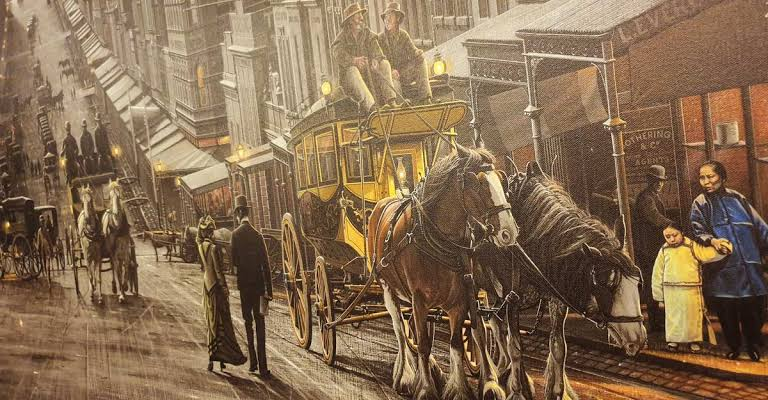
In almost every major international city, walking is how you actually discover the soul of the place. If two spots are a 20-minute walk apart, walk. You will stumble into bakery windows, small art galleries, quiet alleys, and historic architecture that you would have completely missed from a subterranean subway tunnel or the back of a rideshare car.
3. The “Two-Block” Dining Rule
Never eat at a restaurant that has a staff member standing outside handing out laminated menus in four languages, and never eat at a place directly facing the main tourist square.
- The Rule: Walk just two blocks away from the main tourist landmark into the residential side streets. The prices will instantly drop by 30%, the service will feel human, and the food will taste like someone actually cooked it with care.
4. Know the Transit Payment Model

Before you land, figure out how the transit system works. Can you just tap your phone/contactless credit card at the turnstile (like London, New York, or Singapore), or do you need to buy a physical paper ticket or transit card at a machine (like Tokyo or Paris)? Figuring this out at 11:00 PM with luggage in hand is no fun.
4. A Realistic 3-Day Framework That Works Anywhere
If you’re heading off on a classic 3-day weekend city break, steal this simple structure. It keeps you moving without burning you out:
                     THE PERFECT 3-DAY PACING

    DAY 1: ORIENTATION & ICONIC LANDMARKS
    Morning: Main anchor sight ──► Afternoon: Historic center walk ──► Evening: Casual eats

    DAY 2: CULTURE & LOCAL LIFE
    Morning: Top museum/gallery ──► Afternoon: Trendy neighborhood ──► Evening: Nice dinner

    DAY 3: OUTDOORS & SLOW EXPLORATION
    Morning: Public park/waterfront ──► Afternoon: Local markets ──► Evening: Sunset view
- Day 1 (The Big Picture): Hit your iconic landmark early. Spend the afternoon doing a broad orientation walk through the historic center to get your bearings. Eat casual street food or hit a bustling market for dinner.
- Day 2 (Neighborhood Deep-Dive): Head away from the main tourist strip into a creative, residential, or arts-focused district. Spend the morning at an art gallery or museum, and spend the afternoon dipping into independent shops and cafes.
- Day 3 (Parks & Open Sky): After two days of concrete and asphalt, give your brain a break. Spend the morning in the city’s best public park, botanical garden, or waterfront promenade. Finish with a relaxed afternoon hunting for souvenirs or specialty food items to take home.
Frequently Asked Questions
Is it worth buying a city tourist pass (like the Paris Pass or London Pass)?
Only if you are planning to do high-volume, back-to-back tourist sights. Do the math first: add up the individual ticket costs for the 3 or 4 things you actually want to see. If the pass costs $120 and your target sights only add up to $80, skip the pass. Most people overestimate how many paid museums they can comfortably visit in two days.
How do I handle language barriers when exploring local neighborhoods?
Download the local language pack on Google Translate so it works offline. Learn just four basic words in the local language: Hello, Please, Thank you, and Excuse me/Sorry. Opening an interaction in the local language—even with an obvious foreign accent—shows respect and completely changes the energy of the interaction.
How far in advance should I book major city sights?
For world-famous landmarks (like the Sagrada Família in Barcelona, the Anne Frank House in Amsterdam, or the Colosseum in Rome), book as far in advance as possible—often 30 to 90 days out. Many major attractions now use mandatory timed-entry tickets and sell out weeks in advance.
What should I do if it rains for my entire city trip?
Don’t panic! Rain is when cities feel most atmospheric. Shift your schedule around: swap your park walk for a long, cozy lunch inside a historic covered food hall, spend three hours in a major museum, explore covered shopping arcades, or catch an afternoon indie movie or theater show.