

Let’s be honest—most of us want to live healthier lives, but keeping track of our health isn’t always easy. Between busy work schedules, family responsibilities, and everyday stress, it’s common to overlook important aspects of our well-being. That’s why health monitoring devices have become such an important part of modern life.
Think about the last time you wondered whether you were getting enough sleep, walking enough steps, or maintaining a healthy heart rate. In the past, tracking these things often required a visit to a healthcare professional. Today, technology has made it possible to monitor many aspects of health from the comfort of home.
We’ve all experienced moments when we promised ourselves we’d pay more attention to our health. The good news is that modern health monitoring devices make that goal much easier to achieve. These tools provide real-time information about important health metrics, helping people make informed decisions about their lifestyle and wellness habits.
The reality is that health is no longer something we only think about when we’re sick. More people are taking a proactive approach by using technology to understand their bodies better and identify potential issues early.
One thing I’ve noticed is that health monitoring devices are no longer limited to fitness enthusiasts or medical professionals. Students, working professionals, parents, and older adults are all using these tools to stay informed about their health and wellness.
At the end of the day, health monitoring devices aren’t just about collecting data. They’re about helping people build healthier habits, stay motivated, and gain greater awareness of their overall well-being.
We are officially well past the era when tracking your health meant stepping on a basic bathroom scale or counting steps on a clunky clip-on pedometer. Today, consumer health tech has transitioned from a niche hobby for data nerds into an ambient, highly integrated layer of preventative medicine.
The Screenless Trackers: Eliminating Digital Fatigue
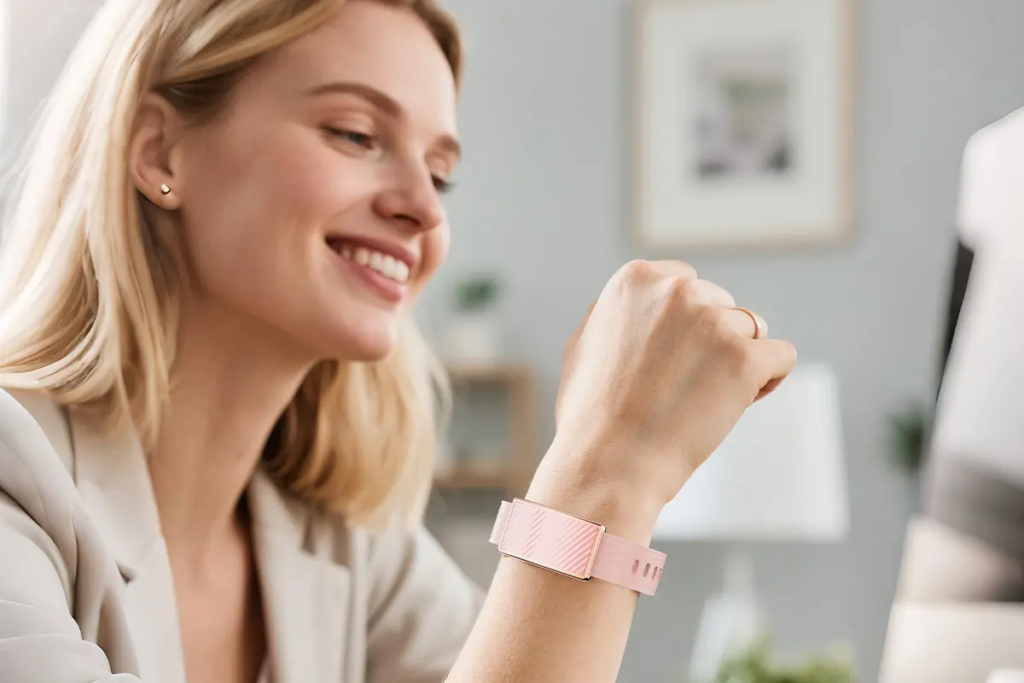
For a long time, health trackers were basically miniature smartphones strapped to your wrist, constantly demanding your attention with bright screens and incoming notifications. The biggest design pivot recently has been the intentional death of the display to minimize digital fatigue and help users focus purely on their physical state.
Fitbit Air
Designed as a major shift away from classic smartwatches, the Fitbit Air pairs a minimalist, breathable fabric or silicone band with a microscopic pebble sensor. By stripping away the screen, it completely eliminates the urge to constantly check your wrist during the day, offloading all the data processing to its companion smartphone app. It focuses heavily on effortless, automatic activity detection and basic cardiovascular metrics, making it a fantastic entry point for anyone who wants high-quality tracking without the tech-induced stress.
Whoop 5.0
If your health goals are deeply tied to athletic performance, training efficiency, and recovery optimization, the Whoop 5.0 remains the gold standard for hardcore data enthusiasts. Featuring zero display, this fabric-band tracker continuously samples metrics like Heart Rate Variability (HRV), resting heart rate, and skin temperature. Its software converts this complex physiological data into simple, actionable daily scores: Strain, Sleep, and Recovery. The 2026 iteration introduces highly advanced blood glucose monitoring and real-time hydration metrics, telling you exactly how much physical or mental stress your body can handle before you even tie your running shoes.
Smart Rings: Continuous 24/7 Wellness Without the Bulk
Smart rings have completely disrupted the wearable market for one major reason: they pull data directly from the blood vessels and capillaries in your fingers, where arterial pulse signals are significantly cleaner and stronger than they are at the wrist.
What Are Health Monitoring Devices?
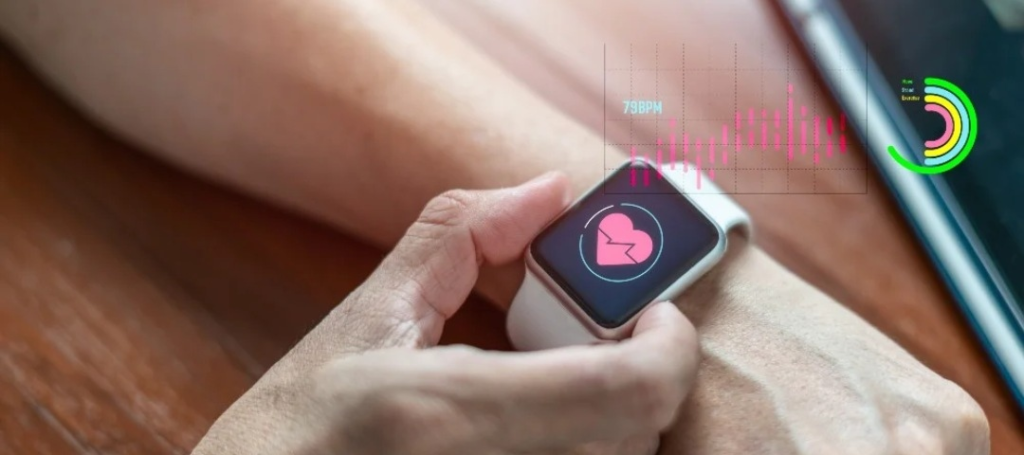
Health monitoring devices are tools designed to track various aspects of physical health and wellness. These devices collect information that can help users understand how their bodies are functioning on a daily basis.
Some devices focus on activity levels, while others monitor heart rate, sleep quality, blood pressure, oxygen levels, or other important health indicators.
The goal is simple: provide users with meaningful insights that support healthier lifestyle choices.
Today, these devices come in many forms, including smartwatches, fitness bands, digital scales, blood pressure monitors, and wearable health trackers.
Why Health Monitoring Devices Are Becoming More Popular
Let’s be honest—people are more health-conscious today than ever before.
Many individuals want greater control over their health and prefer having access to information that helps them make better decisions. Health monitoring devices provide exactly that.
These tools allow users to identify patterns, track progress, and stay motivated toward personal wellness goals.
For example, someone trying to improve sleep quality can monitor sleeping habits and make adjustments based on collected data. Similarly, a person focused on fitness can track daily activity levels and exercise performance.
The reality is that access to information often leads to better awareness, and better awareness can lead to healthier habits.
Fitness Trackers: Encouraging Active Lifestyles
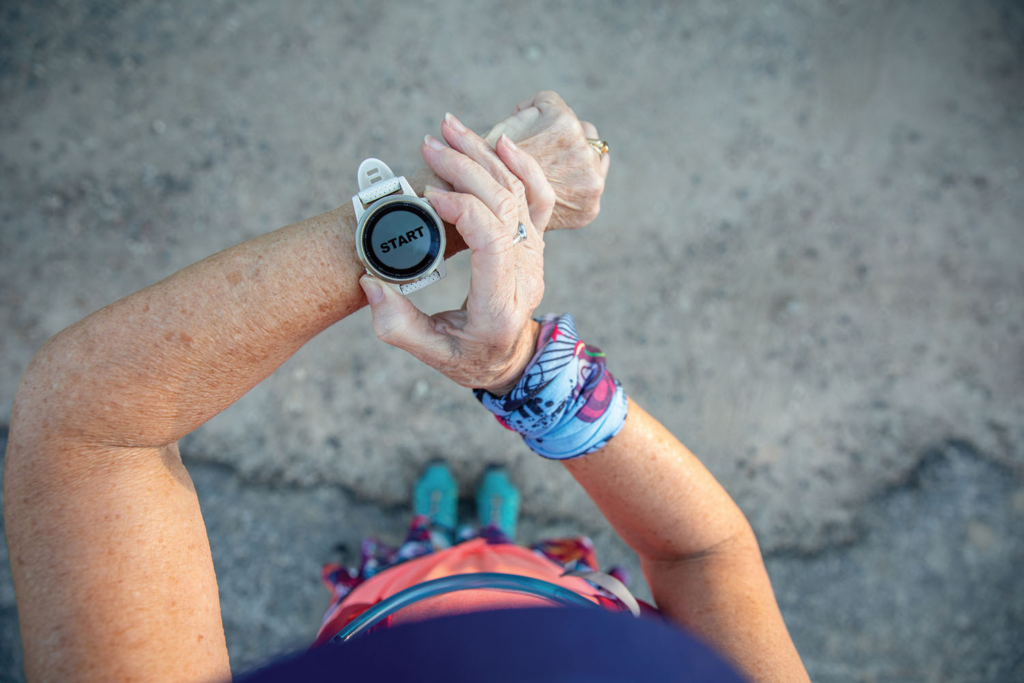
Fitness trackers remain one of the most popular health monitoring devices available today.
These devices typically track daily steps, calories burned, exercise sessions, and overall activity levels.
Think about the last time you set a fitness goal. Whether it involved walking more, exercising regularly, or becoming more active, tracking progress likely made the goal feel more achievable.
One thing I’ve noticed is that fitness trackers create accountability. When users can see their daily activity levels, they’re often more motivated to stay active.
The good news is that even small increases in movement can have a positive impact on overall health.
Smartwatches: More Than Just Timepieces
Smartwatches have evolved into powerful health-monitoring tools.
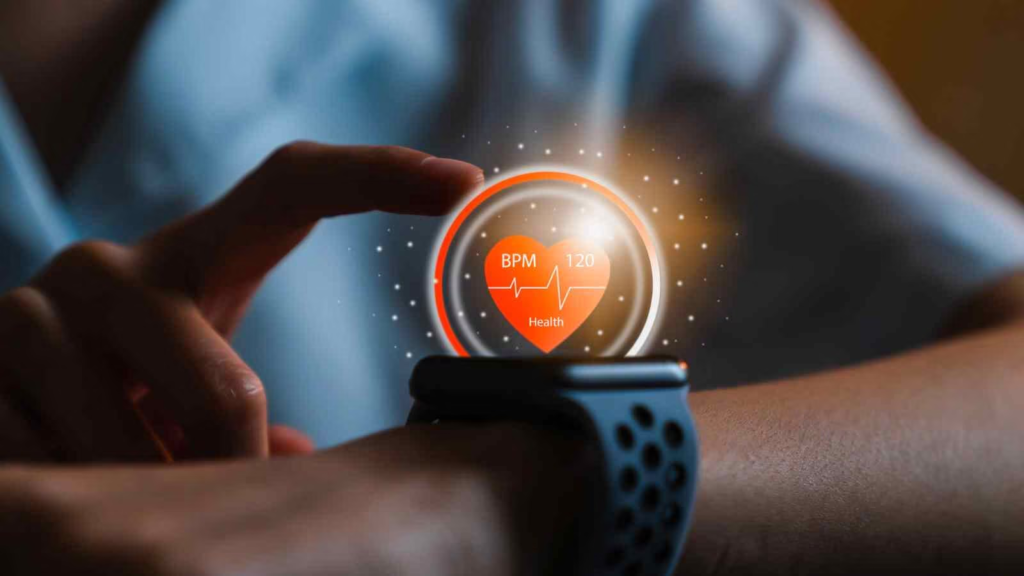
In addition to displaying notifications and supporting communication, many smartwatches now offer features such as heart rate monitoring, sleep tracking, stress management insights, and workout analysis.
Let’s be honest—having health information available directly on your wrist makes tracking wellness much more convenient.
Many users appreciate being able to view health data throughout the day without needing additional devices.
As technology continues to improve, smartwatches are becoming increasingly accurate and useful for everyday health management.
Blood Pressure Monitors for Better Awareness
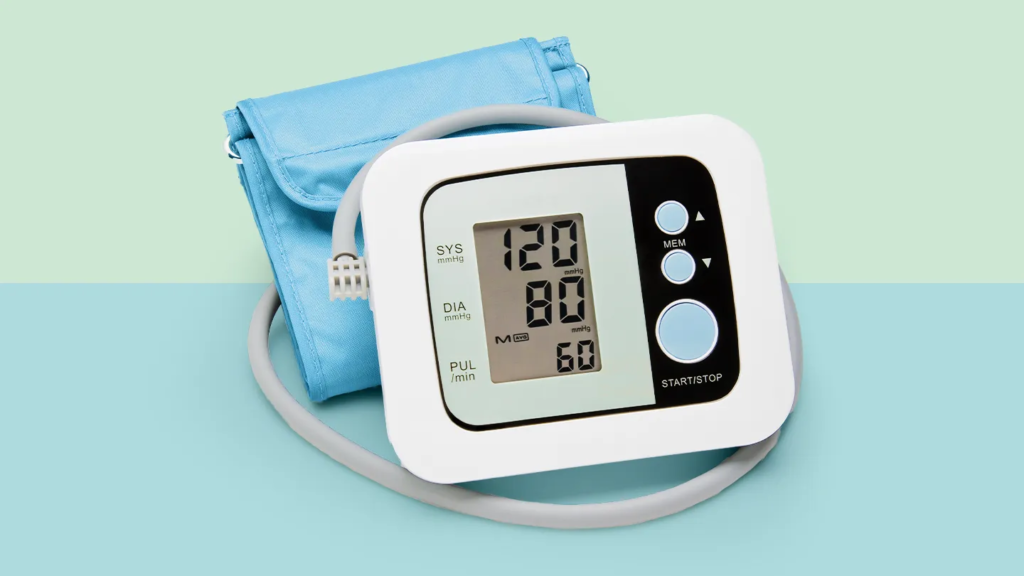
Blood pressure is one of the most important indicators of cardiovascular health.
Modern blood pressure monitors allow users to measure readings at home without requiring frequent clinic visits.
The reality is that many people experience fluctuations in blood pressure due to stress, lifestyle factors, and other health conditions.
Regular monitoring helps users identify changes and share valuable information with healthcare professionals when necessary.
For many individuals, having access to home monitoring creates greater peace of mind and encourages proactive healthcare management.
Sleep Monitoring Devices and Better Rest
We’ve all experienced mornings when we wake up feeling tired despite spending hours in bed.
Sleep monitoring devices help users understand why that happens.
These tools track sleep duration, sleep stages, movement patterns, and overall sleep quality.
One thing I’ve noticed is that many people underestimate the importance of sleep. They focus on exercise and nutrition but overlook rest and recovery.
The reality is that quality sleep plays a critical role in physical health, mental well-being, and daily performance.
By monitoring sleep patterns, users can make adjustments that improve both sleep quality and overall wellness.
Pulse Oximeters and Oxygen Monitoring
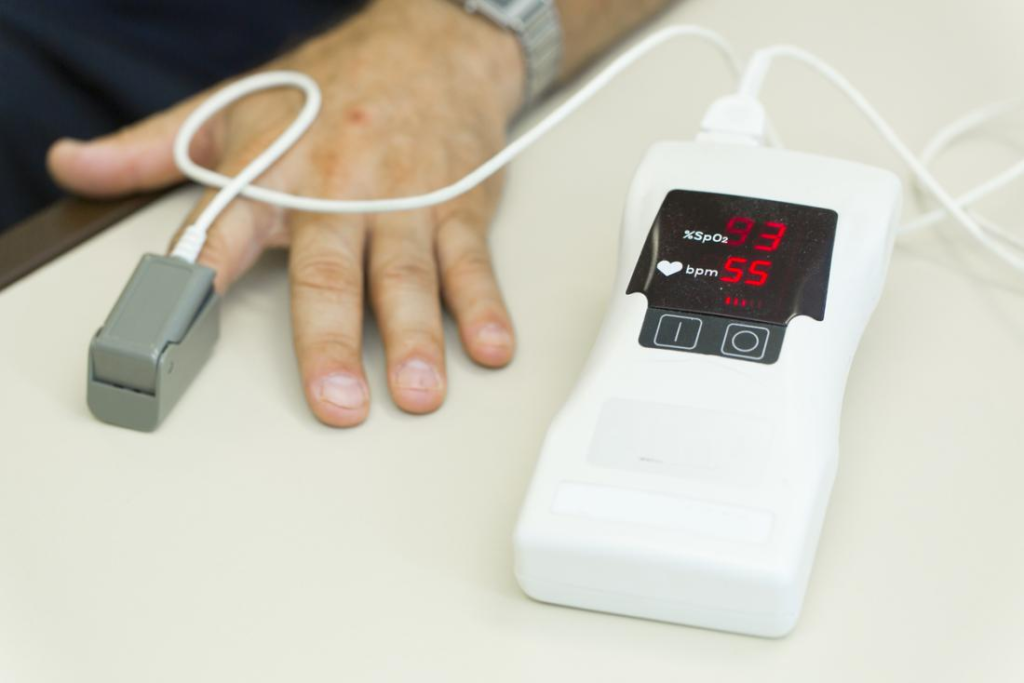
Pulse oximeters are devices that measure oxygen saturation levels in the blood.
These tools gained significant attention in recent years because they provide quick and easy health insights.
Monitoring oxygen levels can be especially useful for individuals with respiratory conditions or those recovering from illness.
The good news is that modern pulse oximeters are simple to use and provide results within seconds.
For many users, this technology offers additional confidence and awareness regarding their health status.
Smart Scales for Comprehensive Health Tracking
Traditional weighing scales provide only one piece of information: body weight.
Smart scales go much further by tracking additional metrics such as body fat percentage, muscle mass, and body composition trends.
Let’s be honest—health is about more than a single number on a scale.
Smart scales help users understand broader wellness trends and provide a more complete picture of physical health.
This information can support fitness goals and encourage healthier lifestyle decisions.
Benefits of Using Health Monitoring Devices
There are many reasons why health monitoring devices continue to gain popularity.
One of the biggest benefits is increased awareness. People can identify patterns and better understand how lifestyle choices affect their health.
Another advantage is motivation. Seeing measurable progress often encourages users to remain consistent with wellness goals.
Think about the last time you achieved a personal milestone. Tracking progress likely made that achievement even more rewarding.
Health monitoring devices also promote preventive care by helping users recognize potential concerns before they become more serious.
Choosing the Right Health Monitoring Device
Selecting the right device depends on individual needs and goals.
Someone focused on fitness may benefit most from a fitness tracker or smartwatch. Individuals managing cardiovascular health may prefer a blood pressure monitor. Those interested in sleep improvement may find sleep tracking devices particularly useful.
One thing I’ve noticed is that the best device isn’t necessarily the most expensive one. It’s the one that provides information relevant to your personal health goals.
Before purchasing any device, consider the features that matter most and how you plan to use the collected data.
Pros and Cons Matrix
| Device Type | Pros | Cons |
| Smartwatches | * Real-time Data: Shows heart rate, pace, and maps mid-workout. * No Subscriptions: Most brands don’t lock your data behind a monthly paywall. * High Utility: Text notifications, calls, and music control on your wrist. | * Bulky for Sleep: Can feel heavy or uncomfortable to wear to bed. * Battery Drain: Models with heavy features need to be charged daily. * Distractions: Screen notifications can constantly buzz and interrupt you. |
| Smart Rings | * Ultra-Comfortable: Lightweight and sleek with no screen distractions. * Superior Sleep Data: Form factor allows highly accurate overnight tracking. * Long Battery: Only needs to be popped onto a charger once a week. | * Monthly Fees: Popular models require a subscription (e.g., $5.99/mo) to see data. * Gym Limitations: Can easily get scratched when lifting heavy metal weights. * No Screen: You cannot check your stats instantly without opening your phone. |
FAQs
1. What are health monitoring devices used for?
Health monitoring devices help track important health metrics like heart rate, sleep, activity, and blood pressure.
2. Are health monitoring devices accurate?
Most devices provide reliable health insights for everyday wellness tracking.
3. Which health monitoring device is best for beginners?
A fitness tracker or smartwatch is usually the best choice for beginners.
4. Can health monitoring devices improve overall wellness?
Yes, they help users build healthier habits and monitor their progress regularly.