
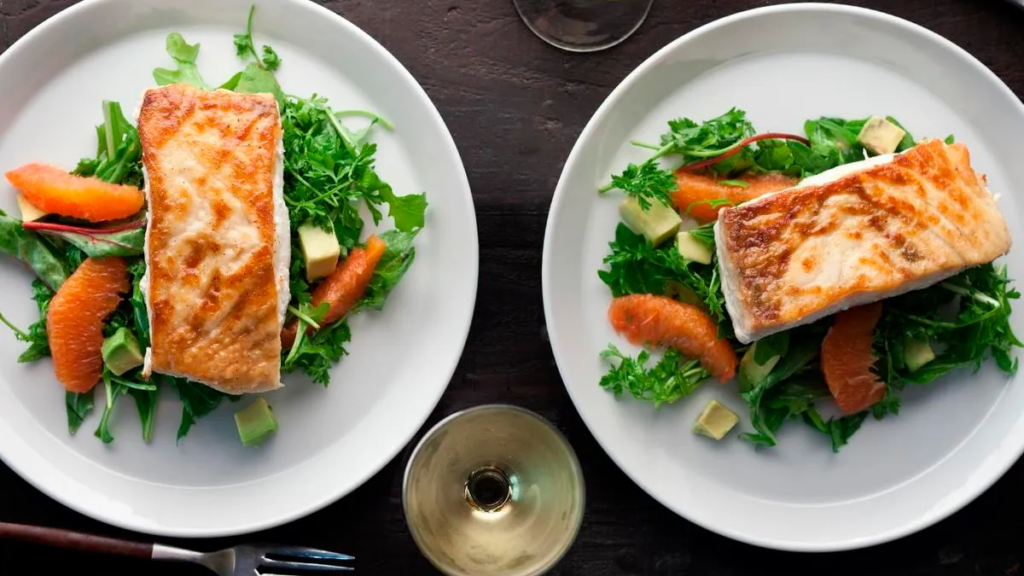

When you think about healthy eating, what’s the first image that pops into your head? For a lot of us, it’s a sad, completely plain chicken breast sitting next to a pile of mushy, boiled broccoli. We’ve been conditioned to believe that getting healthy means torturing our taste buds, spending half our paycheck at specialty grocery stores, or following rigid rules that make social gatherings completely miserable.
But let’s be totally honest for a second: who actually stays on a diet like that? It’s exhausting, it’s boring, and it almost always leads to a late-night raid on the pantry for whatever junk food you can find.
Real, lasting health isn’t about being perfect, and it’s definitely not about deprivation. It’s just about understanding how food works and making small, clever tweaks to the way you cook your everyday meals. By learning a few simple kitchen hacks, you can easily pump up the nutrient density of your food, keep your energy from crashing in the afternoon, and actually look forward to sitting down at the dinner table.
Start with Real, Whole Ingredients

If you want to upgrade your cooking, the easiest place to start is with the actual building blocks you bring into your kitchen. There is a massive difference between whole foods (things that look like they did when they grew out of the ground) and ultra-processed box meals. When food goes through heavy factory processing, it gets stripped of its natural fiber, vitamins, and minerals. To make up for that lost flavor, companies pack them with cheap fillers, extra sodium, and chemical preservatives.
Think of it this way: your body knows exactly what to do with an apple, a potato, or a piece of fish. It takes time to break them down, giving you a steady, slow burn of physical energy. On the flip side, heavily processed foods hit your bloodstream like a tidal wave, causing a massive spike in blood sugar followed by that classic, exhausted afternoon crash.
You don’t need to shop at high-end organic markets to fix this. Just try to spend a little more time around the outer edges of your regular grocery store—the produce section, the meat counter, and the bulk grains. Keeping your kitchen stocked with real, simple ingredients makes it a whole lot easier to whip up a nutritious meal without having to overthink it.
Sneak Extra Veggies Into Everything
We all know we’re supposed to eat our vegetables, but forcing down a giant plate of plain salad every single day feels like a chore. The good news is you don’t have to eat them by themselves. One of the best kitchen tricks is to start treating vegetables as a secret ingredient that you can weave directly into your favorite comfort foods.
Vegetables are basically nature’s volume expanders. They are packed with dietary fiber, water, and antioxidants that keep your gut happy and protect your cells from stress. Because they are low in calories but high in physical bulk, they fill you up completely without making you feel heavy or bloated.
The next time you’re making a traditional pasta sauce, try grating up some zucchini or carrots and letting them simmer right into the red sauce—they completely disappear. If you’re browning ground meat for taco night, toss in a bunch of finely chopped mushrooms; they match the texture perfectly and absorb all the spices. Toss a handful of baby spinach into your morning egg scramble or blend it into a fruit smoothie. You won’t even taste it, but your body will absolutely thank you for the massive nutrient boost.
Swap Out the Deep Fryer
The way you apply heat to your food matters just as much as the ingredients themselves. There’s no denying that deep-fried food tastes great, but submerging your dinner in a giant vat of boiling, low-quality commercial oil changes the game in a bad way. High-heat frying damages the structure of the oil, creating unstable compounds and free radicals that can trigger inflammation inside your body, not to mention adding a massive amount of empty calories.

Luckily, you can get that same satisfying, crispy texture without the grease hangover. Embracing methods like roasting, baking, steaming, and air-frying lets the natural flavors of your food take center stage.
Roasting root vegetables like sweet potatoes or Brussels sprouts at a high temperature coaxes out their natural sugars, making them incredibly sweet and crispy on the edges with just a tiny drizzle of oil. If you’re cooking delicate fish or greens, try a quick steam to lock in all those water-soluble vitamins that usually get lost when you boil things to death. Making these simple shifts gives you all the flavor and crunch you actually crave, without turning your dinner into a heavy oil sponge.
Hunt Down Hidden Added Sugars
Sugar is sneaky. While we all know to watch out for obvious things like soda, candy, and cookies, the real trouble usually comes from the added sugars hiding out in everyday savory items. If you check the ingredient labels on your store-bought pasta sauces, salad dressings, ketchup, and instant oat packets, you’ll be shocked by how much sugar is packed into them just to boost shelf life and make them addictive.

These hidden sugars mess with your brain’s natural fullness signals, keeping your insulin high and leaving you feeling hungry again an hour after you eat.
When you cook at home, you get to be the boss of how sweet your food is. Instead of dumping white sugar or high-fructose syrups into your recipes, try using nature’s sweeteners. A splash of apple cider vinegar or a squeeze of fresh orange juice can instantly brighten up a homemade dressing. If you’re baking, a mashed ripe banana or a bit of unsweetened applesauce adds amazing moisture and natural sweetness. Over time, as you cut back on the fake stuff, your taste buds will reset, and you’ll start noticing how naturally sweet real food actually is.
Get Comfortable with Healthy Fats
For years, old-school nutrition advice told everyone that fat was the ultimate enemy. We were flooded with “low-fat” and “fat-free” products that tasted like cardboard, so companies loaded them up with extra sugar to make them edible. Today, we know better. Your body absolutely needs dietary fat to survive. It’s what allows you to absorb essential vitamins, keeps your skin glowing, balances your hormones, and fuels your brain.
The real secret is focusing on the type of fat you use. Heavily refined industrial seed oils and artificial trans fats can cause a lot of internal friction and arterial stress.
Instead, lean into whole, clean fat sources like extra virgin olive oil, avocados, wild fish, nuts, and seeds. Tossing a few slices of avocado onto your sandwich or using a spoonful of olive oil to finish your roasted veggies doesn’t just make them taste incredibly rich—it also slows down your digestion. That means the energy from your meal lasts way longer, completely killing those annoying, impulsive cravings for a mid-afternoon snack.
Rebalance Your Plate Visuals

Let’s be honest: nobody wants to pull out a digital scale and weigh their food before every single meal. It turns eating into a math homework assignment, and it’s a total mood killer. A much easier, stress-free way to manage your portions is to just look at the overall balance of food groups on your plate.
Try using a simple visual blueprint when you serve up dinner. Aim to fill half of your plate with colorful, non-starchy vegetables like broccoli, peppers, or leafy greens.
Then, split the remaining half into two equal sections. Fill one quarter with a solid source of lean protein (like chicken, fish, eggs, or lentils) to keep your muscles fueled and your appetite satisfied. Fill the final quarter with complex carbohydrates like brown rice, quinoa, or sweet potatoes. This simple setup ensures you’re getting a perfect mix of micronutrients and fuel without ever having to count a single calorie or feel like you’re restricting yourself.
Reclaim the Joy of Cooking at Home
Between demanding work hours and long commutes, it’s incredibly tempting to rely on restaurant takeout or food delivery apps to get through the week. But professional kitchens have one main goal: making the food taste as intensely rich as possible so you keep coming back. To do that, they often use massive amounts of sodium, heavy butter, and refined fats that you would never dream of using at home.

Cooking for yourself doesn’t mean you need to become a Michelin-star chef or spend three hours standing over a stove every night. Some of the healthiest, most comforting meals are the simplest ones—think a quick one-pan sheet pan dinner with chopped chicken and veggies, or a rustic bean and vegetable soup.
When you take control of your own kitchen, you know exactly what’s going into your body. Plus, as you get faster with a knife and find spices you love, cooking stops feeling like an exhausting chore and becomes a relaxing way to unwind after a long day.
Prioritize Lean and Varied Proteins
Protein is the ultimate anchor for your meals. It takes your body more time and energy to digest protein than simple sugars, which means it keeps you feeling full and satisfied for hours. It’s also the crucial building block your body uses to repair muscle tissue, protect your joints, and keep your immune system strong.

Try to mix up your protein sources throughout the week instead of just sticking to the same old routine.
Mix in lean animal proteins like chicken breast, turkey, and omega-3 rich eggs, but don’t overlook plant-based powerhouses like lentils, black beans, chickpeas, and organic tofu. Plant proteins have a massive bonus: they are loaded with natural fiber that helps stabilize your digestion. Combining a good protein source with plenty of veggies creates a slow-releasing energy source that keeps your brain sharp and your body firing on all cylinders.
Choose Intact, Real Grains
White bread, white rice, and standard packaged pastas go through an industrial milling process that strips away the grain’s outer bran and germ layers. This process removes the best parts—the B vitamins, essential minerals, and fiber—leaving behind a starchy core that your body converts into simple sugars almost instantly. This is why you can eat a giant bowl of white pasta and feel starving again just a couple of hours later.
Whenever you can, make the switch to unrefined whole grains. Foods like quinoa, wild brown rice, steel-cut oats, and farro keep their entire natural structure intact.
Because the fiber matrix is completely untouched, your body has to work harder to break it down. This keeps your blood sugar completely steady, protects your heart health, and gives you a clean, long-lasting stream of physical energy that keeps you going all day long.
Upgrade Your Flavor with Herbs and Spices
When people complain that healthy food tastes completely bland, the issue usually isn’t the food itself—it’s the seasoning. If your only tool for adding flavor is a salt shaker or a bottle of processed, sugary store sauce, you’re missing out on a massive world of flavor.

You can completely transform a dish by learning to use fresh herbs, ground spices, and acidic brighteners. Garlic, ginger, cumin, smoked paprika, fresh cilantro, and rosemary add incredible depth and character to simple ingredients without adding a single gram of extra sodium or bad fat.
Even better, these natural seasonings are packed with potent plant antioxidants and anti-inflammatory properties. A quick splash of fresh lime juice or a drizzle of apple cider vinegar right before serving can instantly wake up a dish and make it taste restaurant-quality, proving that eating well never has to be boring.
Cheat Sheet: Smart Kitchen Swaps
| Instead of This… | Try This Instead! |
| Deep-frying in heavy refined oil | Roasting with a little olive oil or air-frying. |
| Refined white rice or flour | Intact quinoa, brown rice, or steel-cut oats. |
| Sugary store-bought sauces | Fresh herbs, garlic, spices, and citrus juice. |
| Processed vegetable or seed oils | Cold-pressed extra virgin olive oil or avocado. |
Build Lasting Habits, Not Temporary Restrictions
At the end of the day, real health is a lifelong journey, not a 30-day challenge. You don’t need to change every single habit overnight, and you definitely shouldn’t feel guilty for enjoying a slice of pizza or a treat with your friends. True wellness is just about consistency. By focusing on adding more real food to your plate, experimenting with fresh flavors, and cooking at home a little more often, you’ll build a sustainable lifestyle that keeps you feeling vibrant, energized, and genuinely happy.
FAQs
1. What is the healthiest cooking method?
Steaming, baking, grilling, and roasting are considered some of the healthiest cooking methods.
2. How can I make my meals more nutritious?
Add more vegetables, choose whole grains, use lean proteins, and reduce added sugar.
3. Are healthy meals expensive to prepare?
No, many healthy foods like vegetables, beans, oats, and whole grains are affordable and budget-friendly.
4. Why are whole grains important?
Whole grains provide fiber, vitamins, and minerals that support digestion and overall health.


