
Let’s be honest: most traditional budgeting advice feels like it was written by someone who never leaves the house, has zero friends, and feeds on sunlight.
We’ve all heard the classic lecture: “If you just stop buying your daily $5 latte, you’ll somehow own a three-bedroom house by next Tuesday.”
It’s completely absurd.
Cutting out every minor joy in your life usually leads to one thing: a weekend spending binge where you crash out, order $80 worth of sushi at midnight, and give up on saving altogether.
Saving money in 2026 isn’t about transforming into a hermit or living off instant ramen. It’s about stopping the silent, invisible leaks in your bank account so you can spend money on stuff that actually brings you joy.
Here is a practical, realistic roadmap to keep more of your hard-earned cash without hating your life.
1. Where the Money Actually Goes (Real Talk)
Most people don’t go broke from single, massive purchases. We go broke through “death by a thousand papercuts”—those tiny, automatic $10, $15, and $20 transactions that vanish into thin air before we even realize it.
| The Silent Budget Killer | How It Sneaks Up on You | The “Lazy Person” Fix |
|---|---|---|
| Forgotten Subscriptions | Free trials that quietly convert to paid plans | Audit card statements once a month with a highlighter |
| The “Delivery App” Trap | Paying $28 for a $12 cold burrito due to fees | Keep frozen emergency meals in your freezer |
| Boredom Scrolling | Late-night Instagram/TikTok impulse buying | Remove saved credit card info from shopping apps |
| Grocery Store Chaos | Wandering aisles while starving on a Tuesday | Never shop hungry; order pickup online instead |
| Convenience Tax | Grabbing bottled water, pre-cut fruit, or quick cabs | Keep a reusable bottle & snacks in your bag |
2. Low-Effort Hacks That Save Massive Cash

If a money hack requires three hours of spreadsheet maintenance every night, you’re not going to stick with it. Here are four psychological tricks that work on autopilot.
The 24-Hour “Cooling Off” Rule
When you see something online that you suddenly desperately need (that desk lamp, those sneakers, or that niche kitchen gadget), put it in your cart and close the tab. Wait 24 hours.
About 70% of the time, the brain’s dopamine spike wears off, and by the next afternoon, you’ll completely forget the item even existed. If you’re still thinking about it a day later and it fits your budget? Go for it.
The “Cost Per Use” Mindset

Cheap doesn’t always equal frugal. Buying a $15 pair of shoes that disintegrate after three weeks is a terrible deal. Buying a $100 pair of boots that you wear every single day for three years costs you pennies per wear.
Formula to remember:
Price of Item ÷ Times You Will Actually Use It = Real Cost
Use this rule for clothes, tech, kitchen gear, and tools. Pay for quality on stuff that touches the ground or saves you time; go cheap on disposable items.
                  THE "COST PER USE" MATH

     Cheap Shoes                      Quality Boots
   ($15 / 3 Weeks)                  ($100 / 3 Years)
  =================                ==================
   Worn ~15 times                   Worn ~500 times
   = $1.00 per wear                 = $0.20 per wear
  (And sore feet!)                  (Durable & comfortable!)
Unlink Your Cards From Your Phone
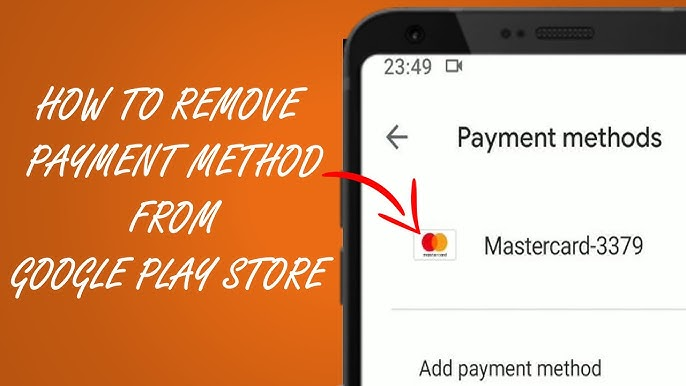
Apple Pay, Google Pay, and saved Chrome credit cards make buying things way too easy. It takes literally two seconds to buy a $40 shirt while waiting at a red light.
Delete your saved payment info from shopping sites. Forcing yourself to stand up, walk across the room, grab your wallet, and manually type in 16 digits gives your brain just enough time to ask: “Do I actually want this, or am I just bored?”
3. How to Save on Food (Without Eating Cardboard)
Food is usually the largest flexible expense in any personal budget. It’s also where we waste the most money.
+---------------------------+-----------------------------------+------------------------------------+
| Habits That Drain Cash    | The Problem                       | The Human Solution                 |
+---------------------------+-----------------------------------+------------------------------------+
| DoorDash / UberEats       | Service fees markup meal by 80%   | Store 3 "zero-effort" freezer meals|
| Throwing away produce     | Buying veggies you "hope" to eat  | Buy frozen veggies—they don't rot  |
| Aimless grocery runs      | Buying random snacks, missing meals| Use Grocery Pickup (avoids impulse)|
| Daily coffee shop runs    | $6 per cup = $180/month           | Make cold brew at home, keep treat |
+---------------------------+-----------------------------------+------------------------------------+
The “Emergency Freezer” Strategy
People order takeout not because they love paying $30 for lukewarm food, but because they are exhausted after an 8-hour workday and the thought of chopping onions makes them want to cry.
Keep 2 or 3 low-cost frozen pizzas, dumplings, or ready-to-heat meals in your freezer at all times. Eating a $6 frozen pizza when you are utterly exhausted saves you from the $35 delivery fee. It isn’t fine dining, but it keeps money in your bank account.
Grocery Store Pickup is a Cheat Code

Most major grocery chains now offer free curbside pickup if you order online in advance. Use this.
When you shop inside a store, you are subject to millions of dollars worth of psychological marketing—endcap displays, fresh bakery smells, and impulse candy racks. Shopping online via a list keeps your total visible in real-time before you pay, preventing checkout-counter shock.
4. The “Pay Yourself First” Routine
If you wait until the end of the month to save “whatever is left over,” you will quickly discover that nothing is ever left over. Parkinson’s Law dictates that our spending naturally expands to fill whatever money is available in our checking accounts.
Flip the script using this simple monthly flow:
- Payday Hits: Money enters your primary checking account.
- Auto-Transfer (The First 5 Minutes): An automated rule instantly moves 5% to 10% into a separate High-Yield Savings Account (HYSA).
- Fixed Bills: Rent, utilities, debt payments, and subscriptions clear automatically.
- Guilt-Free Spending: Whatever remains in your checking account is yours to spend freely on coffee, meals, or hobbies without feeling a single shred of guilt.
5. Classic Traps That Burn Your Cash

Avoid these common mental traps that make you feel like you’re being smart with money when you’re actually losing it:
- Buying Something Just Because It’s “On Sale”: If a $100 jacket is on sale for $70 and you buy it, you didn’t “save $30.” You spent $70 on something you didn’t need.
- The Aggressive Cheapskate Trap: Buying the absolute cheapest version of everything (tools, appliances, furniture) usually means you’ll spend double replacing them when they break six months later.
- Restricting Yourself to Death: If your budget has $0 allocated for fun, you will inevitably break it. Give yourself a dedicated “Fun Money” allowance every single month—no tracking, no guilt.
Frequently Asked Questions
Q1: What is the single easiest way to start saving money today?
Set up an automatic recurring transfer of a small amount—even just $10 or $20—from your checking account to a high-yield savings account on the exact day you get paid. If you don’t see the money sitting in your checking account, you won’t miss it.
Q2: How do I stop impulse buying when I’m bored online?
Enforce the 24-hour rule and remove all saved credit card details from your browser and favorite shopping apps. Forcing yourself to manually type out card details creates enough friction to stop most casual, spur-of-the-moment purchases.
Q3: Is it really worth tracking every single small purchase?
No, tracking every single rupee or dollar down to the cent is exhausting and leads to burnout. Instead, track your total monthly fixed expenses once, automate your savings upfront, and live off the remaining balance guilt-free.
Q4: Should I completely cut out food delivery and eating out?
Not at all. Total restriction usually backfires. Instead, set a firm monthly “Fun/Dining Out” budget. When the allocated funds run out for the month, switch to quick frozen meals or home cooking until the next budget cycle resets.