

Successful investing is no longer based solely on intuition or market rumors. In today’s fast-moving financial environment, investors rely on data, research, and technology to make informed decisions. Whether you are a beginner building your first portfolio or an experienced investor managing multiple assets, investment research tools can help you analyze opportunities, reduce risks, and improve long-term returns.
In 2026, investment technology has become more advanced than ever. Modern research platforms provide real-time market updates, company financial data, stock screening capabilities, portfolio analysis, and AI-powered insights. These features allow investors to identify trends, evaluate investments, and make smarter financial decisions with greater confidence.
The growing popularity of online investing has increased the demand for reliable research tools. Investors want access to accurate information that helps them understand market movements and evaluate potential opportunities before committing their money. Investment research platforms simplify this process by organizing large amounts of financial data into easy-to-understand insights.
Key Features of Investment Research Tools
| Feature | Benefit |
|---|---|
| Stock Screening | Find investment opportunities quickly |
| Market Analysis | Understand market trends |
| Financial Reports | Evaluate company performance |
| Portfolio Tracking | Monitor investments efficiently |
| Real-Time Data | Make informed decisions faster |
Why Investment Research Tools Matter
Investment decisions should be based on facts rather than emotions. Market conditions can change rapidly, and investors who lack access to reliable information may struggle to identify opportunities or avoid risks.
Research tools provide valuable insights into company performance, industry trends, market conditions, and economic developments. These insights help investors evaluate potential investments more effectively.
With access to accurate and timely information, investors can make decisions that align with their financial goals and risk tolerance. This data-driven approach improves confidence and reduces uncertainty in the investment process.
Stock Screening for Better Opportunities

One of the most useful features of investment research tools is stock screening. Investors can filter thousands of stocks based on specific criteria such as market capitalization, earnings growth, valuation, dividend yield, and industry sector.
Stock screening saves time by narrowing the list of potential investments and highlighting companies that match an investor’s strategy.
Instead of manually reviewing hundreds of companies, investors can focus on opportunities that meet their requirements and financial objectives.
This efficiency makes stock screening an essential component of modern portfolio management.
Real-Time Market Analysis
Financial markets are constantly changing. Prices fluctuate due to economic events, earnings announcements, political developments, and investor sentiment.
Investment research tools provide real-time market data that helps investors stay informed about current conditions.
Access to timely information allows investors to react quickly to changing market environments and adjust their strategies when necessary.
Real-time analysis is particularly valuable for active investors who need up-to-date information to support decision-making.
Financial Statement Evaluation
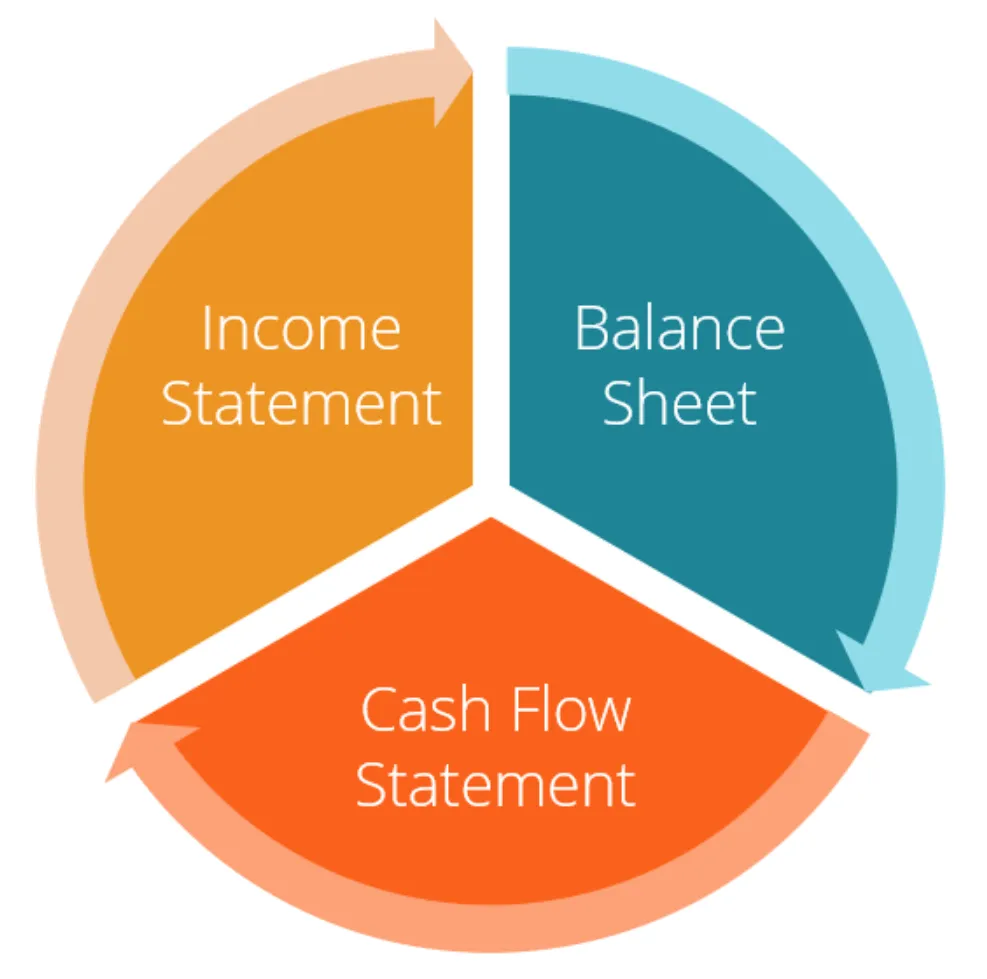
Understanding a company’s financial health is crucial when selecting investments.
Research platforms provide access to balance sheets, income statements, cash flow reports, and other important financial documents.
These reports help investors evaluate profitability, debt levels, revenue growth, and operational performance.
A strong understanding of financial statements allows investors to identify quality businesses with long-term growth potential.
By reviewing financial data carefully, investors can make more informed investment choices.
Portfolio Tracking and Monitoring
Building a portfolio is only the first step in successful investing. Continuous monitoring is equally important.
Investment research tools allow investors to track portfolio performance, monitor asset allocation, and evaluate investment returns.
These features help investors understand whether their portfolios remain aligned with their goals.
Portfolio tracking also makes it easier to identify underperforming investments and make adjustments when necessary.
Effective monitoring contributes to better long-term financial outcomes.
Risk Assessment and Management
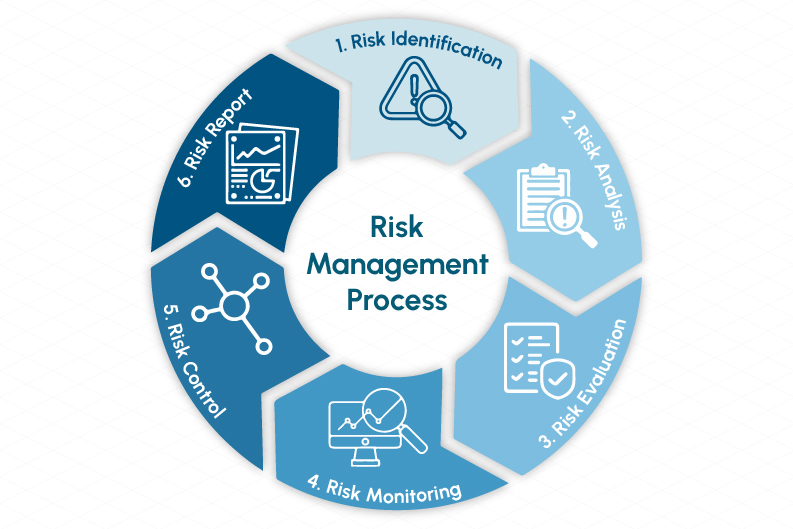
Every investment carries some level of risk. Managing that risk is a key responsibility for investors.
Research tools provide risk metrics, volatility measurements, and portfolio analysis features that help investors evaluate potential risks before making decisions.
Understanding risk enables investors to build diversified portfolios and avoid excessive exposure to specific sectors or assets.
A balanced approach to risk management supports more stable and sustainable investment growth.
AI and Advanced Analytics
Artificial intelligence is becoming increasingly important in investment research.
Modern platforms use AI to analyze large datasets, identify patterns, and generate insights that would be difficult to detect manually.
These advanced analytics help investors discover opportunities, evaluate trends, and improve decision-making.
AI-powered research tools can process information quickly and provide recommendations based on historical and current market data.
As technology continues to evolve, AI is expected to play an even larger role in investment management.
Supporting Long-Term Investment Success

Successful investing requires patience, discipline, and access to reliable information.
Investment research tools support long-term success by helping investors stay informed and make evidence-based decisions.
Rather than reacting emotionally to short-term market movements, investors can focus on data-driven strategies that align with their objectives.
Consistent research and analysis often lead to stronger investment outcomes over time.
For many investors, research tools serve as valuable partners throughout their financial journey.
How to Choose the Right Investment Research Tool
Selecting the right platform depends on investment goals, experience level, and preferred investment style.
Some investors prioritize stock screening capabilities, while others focus on portfolio management or advanced analytics.
Ease of use, data quality, reporting features, customer support, and integration options are also important considerations.
The ideal research tool should provide actionable insights while remaining accessible and user-friendly.
Evaluating available options carefully can help investors choose a solution that supports their financial objectives.
Pros and Cons of Investment Research Tools
| Pros | Cons |
|---|---|
| Improve investment decision-making | Some tools require subscriptions |
| Provide real-time market insights | Learning curve for beginners |
| Help identify investment opportunities | Data overload can occur |
| Support portfolio monitoring | Advanced features may be complex |
| Enhance risk management | Quality varies across platforms |
| Save research time | Dependence on technology |
| Offer detailed financial analysis | Premium plans can be expensive |
| Improve long-term investing strategies | Not all predictions are accurate |
Conclusion
Investment research tools have become essential resources for investors seeking smarter portfolio management in 2026. These platforms provide valuable insights, real-time market information, financial analysis, stock screening capabilities, and portfolio tracking features that support better investment decisions.
FAQs
1. What are investment research tools?
Investment research tools help investors analyze stocks, markets, and portfolios using financial data and insights.
2. Why are investment research tools important?
They help investors make informed decisions and reduce investment risks.
3. Can beginners use investment research tools?
Yes, many investment research platforms are designed for both beginners and experienced investors.
4. How do investment research tools improve portfolio management?
They provide tracking, analysis, and performance insights to help optimize investment portfolios.