


Modern urban life offers convenience, opportunities, and access to a wide range of services. However, living in a city can also bring challenges such as limited space, busy schedules, traffic, household responsibilities, and the need to stay organized. Managing these everyday demands becomes easier when you use the right tools.
Urban living tools are practical products, digital applications, and smart solutions designed to make city life more comfortable and efficient. From smart home devices and storage organizers to transportation apps and grocery planning tools, these solutions can help people save time and simplify daily routines.
Whether you live in a small apartment, share a home with roommates, or manage a busy family schedule, the right tools can improve your lifestyle. This guide explores useful urban living tools, their benefits, and how to choose the right options for your needs.
What Are Urban Living Tools?

Urban living tools are products and technologies that help people manage everyday activities in cities. They are designed to support convenience, organization, efficiency, and comfort.
These tools can be physical products, such as compact furniture and kitchen organizers, or digital solutions, such as budgeting apps, navigation platforms, and smart home applications.
Some common categories include:
- Smart home and automation tools
- Space-saving furniture and storage products
- Transportation and navigation applications
- Household cleaning and maintenance tools
- Grocery shopping and meal-planning apps
- Personal finance and budgeting software
- Safety and security devices
The goal is to make everyday tasks easier without adding unnecessary complexity.
Best Urban Living Tools That Simplify Daily Life

<AsyncImage query=”modern small apartment smart urban living organized interior” aspectRatio=”16:9″ width=”100%”/>
Urban living tools are useful in different areas of daily life. The following options can help make homes more organized, routines more efficient, and city living more manageable.
1. Smart Home Devices for Everyday Convenience
Smart home devices help automate selected household activities. These devices can connect to a mobile application or home network, allowing users to manage certain functions more conveniently.
For example, smart bulbs can adjust lighting, smart plugs can control compatible appliances, and smart speakers can provide voice-based assistance.
Useful smart home devices include:
- Smart bulbs for convenient lighting control
- Smart plugs for managing compatible appliances
- Smart speakers for reminders and voice commands
- Smart thermostats where compatible with local systems
- Smart doorbells and security cameras
Smart devices can be especially useful for people with busy schedules. However, it is important to check compatibility, internet requirements, privacy settings, and electricity usage before purchasing them.
2. Space-Saving Furniture and Storage Tools
Many urban homes have limited space. Choosing furniture and storage products that serve more than one purpose can help create a comfortable and organized living environment.
Space-saving solutions are particularly useful in studio apartments, rented rooms, and compact homes.
| Tool | Main Use | Benefit |
|---|---|---|
| Foldable table | Dining or working | Saves floor space |
| Storage bed | Storing clothes and bedding | Uses hidden space |
| Wall-mounted shelves | Organizing books and items | Reduces clutter |
| Over-door organizers | Storing accessories | Makes use of unused areas |
| Stackable storage boxes | Organizing belongings | Keeps items accessible |
| Multi-purpose furniture | Combining functions | Improves space efficiency |
A practical approach is to organize items according to how frequently they are used. Everyday essentials should remain accessible, while seasonal belongings can be stored in less frequently used spaces.
3. Navigation and Transportation Apps
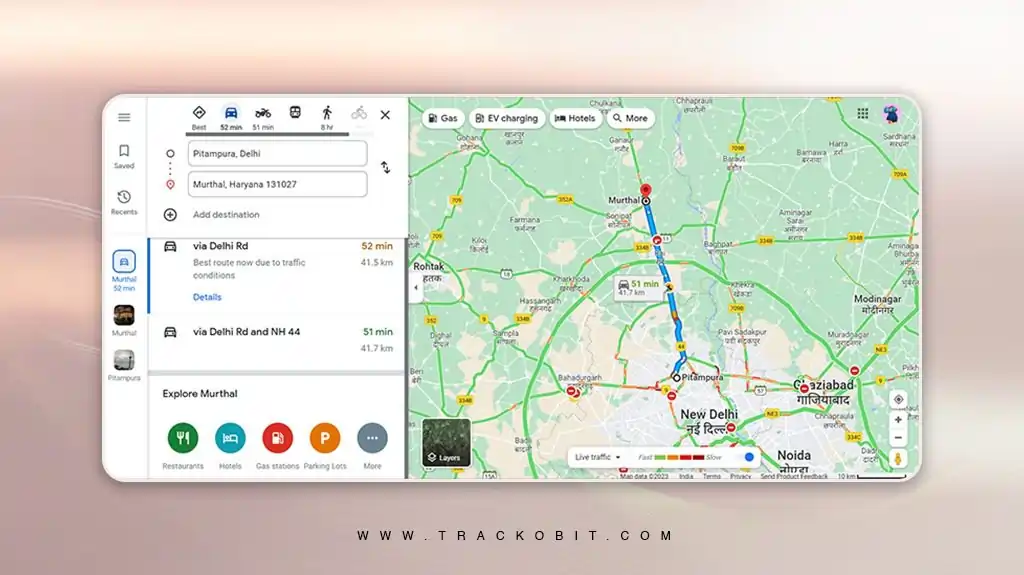
Getting around a busy city can be time-consuming. Navigation and transportation applications help users plan routes, estimate travel time, and explore available transport options.
These tools can be useful for commuting to work, attending appointments, or discovering unfamiliar areas.
Popular examples include:
- Google Maps: Route planning, navigation, and location discovery.
- Citymapper: Public transportation planning in supported cities.
- Uber: Booking rides where the service is available.
- Transit: Public transportation information in supported locations.
Before leaving home, checking traffic conditions or public transport updates can help reduce delays. Users should also keep alternative routes in mind when traveling during peak hours.
4. Grocery Shopping and Meal-Planning Tools

Grocery shopping is a regular part of urban life, but it can become stressful when schedules are busy. Grocery applications and meal-planning tools help users organize shopping lists, plan meals, and manage household supplies.
<AsyncImage query=”organized kitchen meal prep groceries shopping list smartphone” aspectRatio=”16:9″ width=”100%”/>
Useful features may include:
- Digital grocery lists
- Meal calendars
- Recipe suggestions
- Grocery delivery options
- Pantry inventory tracking
- Budget planning
Applications such as Google Keep can be used for simple shopping lists, while dedicated meal-planning applications may offer recipe organization and weekly planning features.
Planning meals before shopping can also help reduce food waste. A simple weekly plan makes it easier to purchase only the ingredients you need.
5. Cleaning and Household Maintenance Tools

Keeping a home clean can be challenging when work, commuting, and other responsibilities take up much of the day. Household tools can make cleaning more manageable by reducing effort and helping users maintain a routine.
Useful options include:
- Compact vacuum cleaners
- Microfiber cleaning cloths
- Spray mops
- Storage baskets
- Robotic vacuum cleaners
- Basic home repair toolkits
Robotic vacuum cleaners may help with routine floor cleaning, depending on the layout of the home. Compact cleaning tools can also be useful for smaller apartments where storage space is limited.
A simple cleaning schedule can make a difference. For example, daily surface cleaning and weekly deep cleaning can help prevent household tasks from becoming overwhelming.
6. Personal Finance and Budgeting Apps

City living often involves regular expenses such as rent, transportation, groceries, utilities, and subscriptions. Budgeting tools help users track these expenses and understand where their money is going.
<AsyncImage query=”personal budget tracking app smartphone notebook monthly expenses desk” aspectRatio=”16:9″ width=”100%”/>
Personal finance tools can help users:
- Track daily spending
- Set monthly budgets
- Monitor recurring payments
- Categorize expenses
- Plan savings goals
- Review spending patterns
A spreadsheet can be enough for basic budgeting, while dedicated finance applications may provide automatic categorization or reports.
When selecting a finance app, check its privacy practices and permissions. Avoid sharing banking credentials with services unless you understand how the connection works and trust the provider.
7. Digital Calendars and Reminder Apps

Managing work, appointments, household responsibilities, and social activities can become difficult without a clear schedule.
Digital calendars and reminder tools help users organize events and receive notifications before important activities.
Examples include Google Calendar, Microsoft Outlook Calendar, and Apple Calendar.
Helpful features include:
- Event scheduling
- Reminders and notifications
- Recurring appointments
- Shared calendars
- Time-blocking
- Integration with other applications
A digital calendar can be used for work meetings, bill due dates, grocery shopping, exercise, and personal appointments.
The key is to maintain one reliable calendar instead of spreading schedules across multiple applications.
8. Safety and Security Tools for Urban Homes
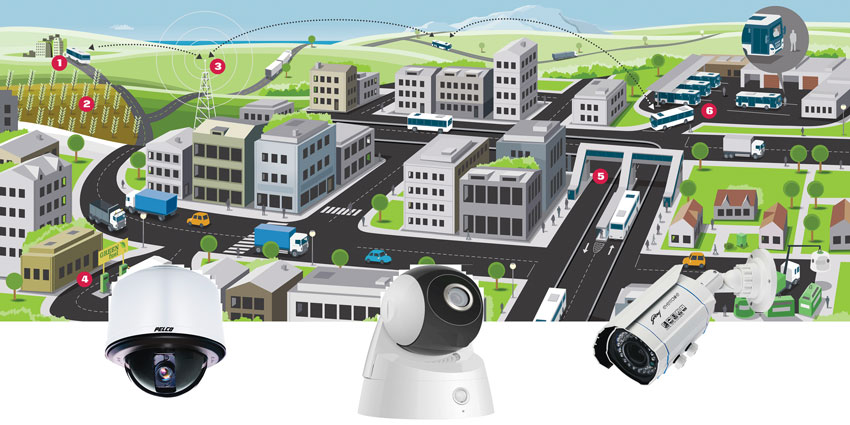
Safety is an important part of comfortable urban living. Depending on the home and its requirements, security products can help users monitor entrances, improve visibility, and protect personal belongings.
Some common options include:
- Smart doorbells
- Door and window sensors
- Motion-sensor lights
- Smoke alarms
- First-aid kits
- Personal safety applications
Security devices should be installed according to the manufacturer’s instructions. For rented homes or shared buildings, users may need permission before installing cameras or making changes to common areas.
Privacy is equally important. Cameras should not record private spaces belonging to neighbors or other residents.
9. Digital Tools for Work and Productivity
Many people living in cities work remotely, study online, or manage flexible schedules. Productivity software can help them complete tasks and stay organized without relying on a physical office.
<AsyncImage query=”urban remote work desk laptop productivity digital tools apartment” aspectRatio=”16:9″ width=”100%”/>
| Tool | Purpose | Suitable For |
|---|---|---|
| Notion | Notes and workspace organization | Students and professionals |
| Trello | Visual project management | Teams and freelancers |
| Google Workspace | Documents and collaboration | Businesses and students |
| Todoist | Task management | Everyday planning |
| Grammarly | Writing assistance | Writers and professionals |
| AltFTool | Exploring digital tools and utilities | Creators and professionals |
Digital platforms such as AltFTool can be useful for discovering resources related to writing, content creation, marketing, development, conversion, and other everyday digital tasks.
Using a small set of connected applications can help reduce distractions and make work easier to manage.
10. Reusable and Sustainable Urban Living Products
Sustainable tools can help city residents reduce waste and make everyday activities more efficient.
Some practical options include reusable shopping bags, refillable water bottles, energy-efficient lighting, food storage containers, and rechargeable batteries.
| Sustainable Tool | Everyday Use | Potential Benefit |
|---|---|---|
| Reusable shopping bags | Grocery shopping | Reduces disposable bag use |
| Refillable water bottle | Daily hydration | Reduces single-use bottles |
| LED lighting | Home lighting | Can use less electricity |
| Food storage containers | Storing meals | Helps reduce food waste |
| Rechargeable batteries | Compatible devices | Reduces disposable battery use |
Sustainability depends on how products are used and maintained. Choosing durable items that fit your routine can be more practical than purchasing products you rarely use.
Comparison of Urban Living Tools by Need
Not every household needs the same tools. The following comparison can help identify which solutions may be most useful.
| Daily Challenge | Recommended Tool | Why It Helps |
|---|---|---|
| Limited home space | Foldable furniture | Makes rooms more flexible |
| Busy commute | Navigation apps | Helps plan routes |
| Household clutter | Storage organizers | Keeps belongings arranged |
| Missed appointments | Digital calendar | Provides reminders |
| Unplanned spending | Budgeting app | Tracks expenses |
| Repetitive cleaning | Compact or automated tools | Reduces manual effort |
| Work organization | Task management software | Keeps tasks and deadlines clear |
| Grocery planning | Shopping list app | Helps organize purchases |
The best tool is the one that solves a genuine problem in your daily routine.
How to Choose the Right Urban Living Tools

Choosing the right tools requires understanding your home, lifestyle, and priorities. A product that works well for one person may not be suitable for another.
Consider Your Available Space
If you live in a compact apartment, prioritize tools that are easy to store or serve multiple purposes. Measure furniture and storage areas before purchasing large products.
Identify Your Daily Challenges
Think about the activities that take the most time. If commuting is difficult, transportation apps may be useful. If your home feels cluttered, storage solutions could be a better starting point.
Set a Realistic Budget
Compare the cost of a tool with the benefit it provides. Start with affordable or free solutions when possible, and upgrade only when you need additional features.
Check Compatibility
For smart devices, review compatibility with your smartphone, Wi-Fi network, electrical system, and existing appliances.
Prioritize Ease of Use
Tools should make life simpler. Avoid solutions that require excessive setup or ongoing maintenance unless they provide a meaningful benefit.
Review Safety and Privacy
Read product instructions, check application permissions, and understand how personal information is handled. This is especially important for connected home devices and financial applications.
Common Mistakes to Avoid When Using Urban Living Tools

Urban living tools can improve convenience, but using them without a clear plan may create unnecessary expenses or clutter.
- Buying tools without identifying a need: Choose products that solve an everyday problem.
- Overloading a small home with gadgets: Keep storage and available space in mind.
- Ignoring maintenance: Clean and update tools when required.
- Using too many apps: Avoid duplicating calendars, task lists, and reminders.
- Overlooking privacy: Review settings on connected devices.
- Choosing price over quality: Consider durability, usability, and safety.
- Expecting technology to solve every problem: Simple habits and planning remain important.
Future of Urban Living Tools

Urban living tools are likely to become increasingly connected, efficient, and personalized. Smart home systems, AI-supported applications, energy-monitoring devices, and digital services are helping people manage everyday routines.
Future solutions may focus more on connected home management, sustainable energy use, intelligent transportation, and flexible furniture designed for smaller spaces.
However, the most useful tools will continue to be those that solve real problems. Technology should support daily life rather than make it more complicated.
Frequently Asked Questions
1. What are urban living tools?
Urban living tools are products and digital solutions that help people manage daily activities in cities, including home organization, transportation, budgeting, cleaning, and productivity.
2. Which urban living tools are most useful for small apartments?
Foldable furniture, wall-mounted shelves, storage beds, compact cleaning tools, and digital organization apps can be useful for small apartments.
3. Can digital tools improve urban living?
Yes. Navigation apps, budgeting tools, digital calendars, and productivity applications can help users manage schedules, expenses, and everyday tasks.
4. Are smart home devices necessary for urban living?
No. Smart home devices are optional. They can add convenience, but simple and affordable household tools may be sufficient for many people.
5. How can I make urban living more efficient?
Start by organizing your space, planning your schedule, tracking expenses, and using tools that reduce repetitive tasks. Choose practical solutions that fit your lifestyle and budget.