

Managing money used to mean keeping paper receipts, checking physical passbooks, and constantly wondering where your hard-earned salary disappeared by the third week of the month. Fortunately, mobile apps have completely shifted how we handle our finances.
In 2026, a solid banking app goes way beyond showing a basic account balance. From instant UPI transfers and automated bill payments to detailed spending breakdowns and real-time card controls, your smartphone is essentially a personal bank branch. But with dozens of options clogging the app stores, choosing the right tool isn’t always straightforward. The “ideal” setup depends entirely on what you do every day—a college student making daily tea-stall UPI payments needs a very different tool than a working professional tracking family investments or international travel spends.
What You Actually Need vs. Features to Look For
| What You Want to Do | Features to Prioritize | Why It Matters |
|---|---|---|
| Everyday Banking | Instant balance checks, account statements | Quick check-ins without multi-step logins. |
| Daily Payments | UPI integration, QR scanning, tap-to-pay | High success rates and rapid payment processing. |
| Budgeting & Expense Tracking | Auto-categorization, spending insights | Shows exactly how much goes to food vs. bills. |
| Card Safety | One-tap card freeze, custom transaction limits | Protects against fraud if your card is misplaced. |
| Building Savings | Auto-debits, recurring deposits, round-up savings | Builds savings habits automatically in the background. |
| Travel & Forex | Zero-forex fee options, international toggles | Avoids steep conversion charges abroad. |
1. Direct Mobile Banking Apps (Bank-Native)
Your primary bank’s official app (such as YONO SBI, HDFC PayZapp, ICICI iMobile, or Kotak 811) should always be your baseline anchor. These platforms let you manage core banking tasks—downloading official tax statements, applying for fixed deposits, requesting chequebooks, or raising dispute tickets—without standing in branch queues. Dealing directly with your parent bank eliminates unnecessary middleman risks.
2. Fast UPI & Daily Payment Platforms
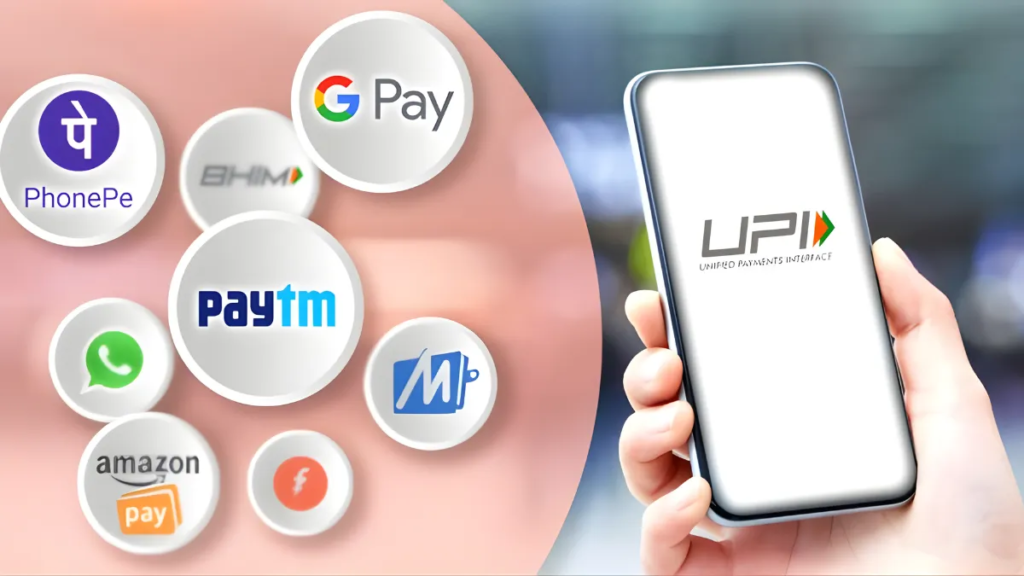
For day-to-day transactions in India, standalone or bank-backed UPI payment apps (like PhonePe, Google Pay, BHIM, or Paytm) dominate quick transactions.
AppTweak
- Key capabilities: High-speed QR scanning, seamless peer-to-peer transfers, RuPay credit card linking, and offline payment fallback modes. Cashify
- Safety Tip: Always pause for two seconds to double-check the receiver’s verified name on the confirmation screen before entering your PIN.
3. Smart Expense Tracking & Categorization
Modern financial tools automatically scan transaction SMS messages or leverage account aggregators to group your spending into clean categories:
[ Monthly Cash Flow ]
   ├── Fixed: Rent, EMI, Utility Bills
   ├── Variable: Groceries, Transport, Dining Out
   └── Invisible Leaks: Unused Subscriptions, Impulse Online Purchases
Seeing your spending mapped out visually often reveals surprises—like realizing those “harmless” daily delivery orders added up to a chunk of your monthly rent.
4. Real-Time Security Alerts
Transaction notifications are your primary line of defense against fraud. Immediate push alerts or SMS updates ensure that if an unauthorized transaction occurs, you catch it in seconds rather than discovering it on next month’s bank statement.
5. Advanced Card Management
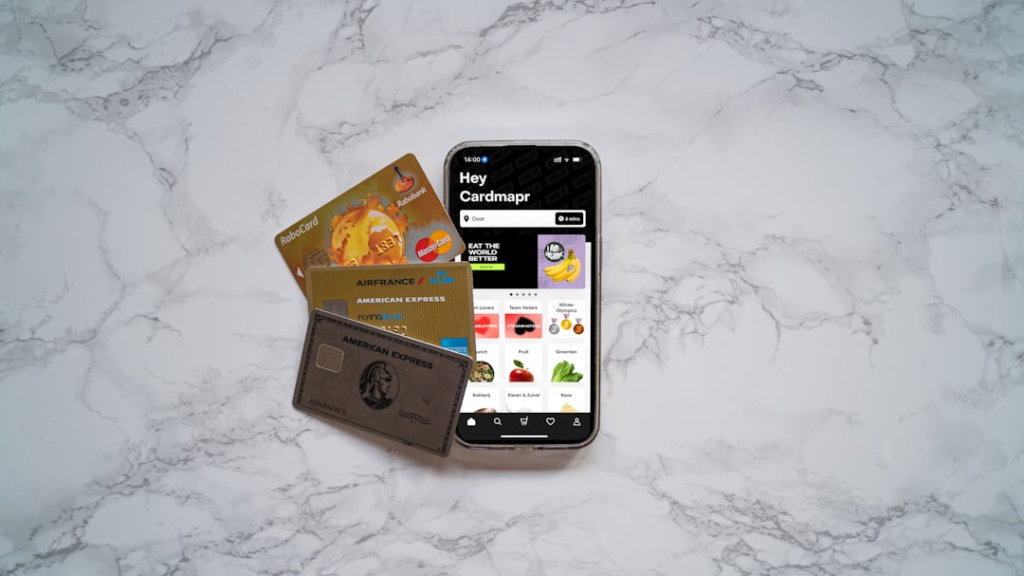
Modern card controls put security directly in your hands:
- Temporary Lock: Misplaced your debit card? Freeze it instantly from the couch instead of calling customer care to permanently block it. Unfreeze it when it turns up between the sofa cushions.
- Limit Controls: Lower your daily ATM or online transaction limits to cap potential loss if your credentials ever get compromised.
- International Toggles: Keep international usage turned off by default until you actually step onto a flight.
6. Automated Bill Payments & Reminders
Missing due dates leads to late fees and damaged credit scores. Top-tier financial apps allow you to schedule automatic payments or set up persistent reminders for electricity bills, Wi-Fi subscriptions, credit card balances, and SIP investments.
7. Core App Security
Convenience means nothing without ironclad protection. Always look for these non-negotiables:
- Biometrics: Fingerprint or facial recognition for swift, secure logins.
- Two-Factor Authentication (2FA): Multi-step verification for high-value transfers.
- Device Binding: Ensuring the app only runs on your registered mobile number and verified device.
Never share your PIN, password, or OTP with anyone—no legitimate bank employee will ever ask for them over a phone call or chat message.
8. Clean UI & Thoughtful App Design

An app stuffed with features is useless if it’s painful to navigate. Good design means essential tasks—checking your balance, making a payment, or blocking a card—take two taps, not seven hidden sub-menus. Simple, responsive interfaces always beat flashy graphics.
9. Built-in Savings Rules
Automation is the secret weapon for building wealth. Many modern platforms offer features like auto-saving small amounts after every paycheck, setting target-based savings pots for vacations, or rounding up spare change on purchases to invest in digital gold or mutual funds.
10. Subscription Management
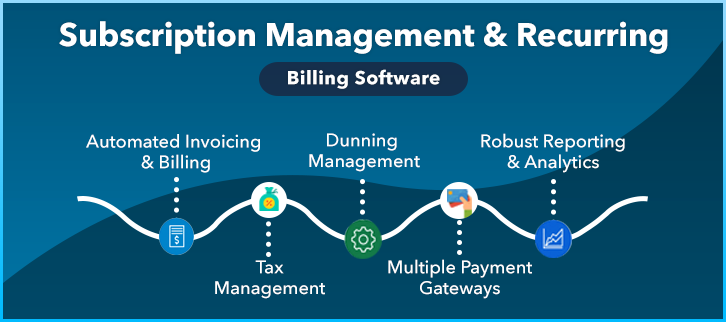
It’s easy to forget recurring auto-debits—a music service here, a cloud storage plan there, a streaming platform you haven’t opened in months. Finance apps that flag recurring mandates help you spot and prune unused subscriptions instantly, freeing up cash flow.
11. International & Travel Features

Frequent international travellers should look for apps with clear currency exchange rates, low or zero forex markup fees, and instant global card toggles. Being able to unblock a card abroad without placing expensive overseas calls to customer support is a lifesaver.
12. Evaluating Third-Party Apps Safely
Third-party budgeting apps offer slick charts, but they require access to your financial data. Before linking your accounts via account aggregators, inspect what permissions you’re granting and how your data is encrypted. Security should always take priority over aesthetics.
Common Banking App Mistakes to Avoid
- Clicking Phishing Links: Never log in or “verify details” via SMS or WhatsApp links claiming your account will be suspended.
- Banking on Public Wi-Fi: Avoid conducting transactions or checking balances over open, unsecured public Wi-Fi networks without a VPN.
- Leaving App Sessions Active: Ensure your device has a strong master lock screen PIN or biometrics enabled in case your phone is lost.
Frequently Asked Questions
Q1: Which type of banking app should I start with?
Start with your primary bank’s official mobile app for core account tasks, paired with a reliable, lightweight UPI app for fast daily merchant payments.
Q2: Are third-party finance apps safe to link with my bank?
They can be safe if they use RBI-regulated Account Aggregator frameworks, but always check their data privacy policy and never share your net banking passwords or PINs.
Q3: What should I do immediately if my phone with banking apps is lost?
Immediately call your bank’s hotline to block your mobile banking channels, contact your telecom operator to block your SIM card (stopping incoming OTPs), and use remote wiping tools like Google Find My Device.
Q4: How can banking apps help me stop overspending?
Set up custom daily transaction caps, enable real-time spending category alerts, and schedule automatic transfers to a savings account on salary day before you spend.