


Everyday life is full of small responsibilities, from managing household tasks and organising schedules to controlling expenses and completing work on time. Although these activities may seem simple, handling them without a proper routine can consume valuable time, energy, and money.
This is where life hacks can make a difference. Life hacks are simple, practical ideas that help people complete everyday tasks more efficiently. They do not always require expensive products or complicated methods. Sometimes, changing a small habit, organising a workspace, or using an available digital feature can make daily life much easier.
Whether you are a student, working professional, homemaker, or business owner, the right life hacks can help simplify your routine. Here are practical ways to save time, reduce unnecessary spending, and make better use of your everyday resources.
What Are Life Hacks?

Life hacks are creative shortcuts, practical techniques, and useful habits designed to make everyday activities easier. They focus on finding simpler ways to handle common problems without compromising the quality of the result.
For example, preparing a weekly meal plan can reduce daily cooking decisions, setting reminders can prevent missed appointments, and organising frequently used items can save time when getting ready.
Life hacks can be applied to almost every part of daily life, including:
- Home organisation and cleaning.
- Time management and productivity.
- Budgeting and money-saving habits.
- Cooking and meal preparation.
- Technology and digital tasks.
- Shopping and personal routines.
- Travel and daily planning.
The best life hacks are easy to follow, affordable, and useful in the long term.
10 Simple Life Hacks That Save Time Every Day
Time is one of the most valuable resources. Small improvements in daily planning can reduce unnecessary delays and help you complete tasks more comfortably.
1. Prepare Your Daily To-Do List in Advance
Starting the day without a clear plan can make it difficult to decide what needs attention first. Spend five to ten minutes the previous evening writing down your important tasks.
Organise your list by priority and separate urgent responsibilities from tasks that can wait.
Quick tip: Choose your three most important tasks for the next day. Completing them first can make your day feel more organised.
2. Follow the Two-Minute Rule
If a task takes less than two minutes to complete, consider doing it immediately rather than postponing it.
Examples include replying to a short message, putting away an item, washing a cup, or filing a document.
This habit can prevent small responsibilities from building into a long list of unfinished tasks.
3. Group Similar Tasks Together
Switching between unrelated activities repeatedly can interrupt concentration. Instead, group similar responsibilities into dedicated time blocks.
For example, respond to emails at a planned time, complete phone calls together, and handle household cleaning in one session.
This approach reduces unnecessary task switching and helps create a smoother routine.
4. Keep Frequently Used Items in One Place
Searching for keys, chargers, documents, or other everyday essentials can waste time.
Create a dedicated space for frequently used belongings. A small tray near the entrance, an organiser on your desk, or a labelled storage box can make everyday items easier to find.
5. Set Reminders for Important Tasks
Use your phone’s calendar, alarm, or reminder application to remember appointments, bill payments, meetings, and deadlines.
Instead of relying entirely on memory, let reminders handle routine notifications.
6. Prepare Your Essentials the Night Before
Preparing clothes, bags, lunch containers, documents, and other essentials before sleeping can make mornings less stressful.
This simple habit is especially useful for students and working professionals who need to leave home at a particular time.
7. Use Keyboard Shortcuts
Computer keyboard shortcuts can reduce the time spent navigating menus.
| Shortcut | Function |
|---|---|
| Ctrl + C | Copy selected content |
| Ctrl + V | Paste content |
| Ctrl + X | Cut selected content |
| Ctrl + Z | Undo the previous action |
| Ctrl + F | Find text on a page or document |
| Ctrl + S | Save a file |
| Alt + Tab | Switch between open windows |
On Mac computers, the Command key is used for many equivalent shortcuts.
8. Create a Weekly Routine
Assign regular responsibilities to specific days. For example, use one day for grocery planning, another for laundry, and another for organising documents.
A predictable routine reduces the effort involved in deciding what to do every day.
9. Use Timers to Stay Focused
Set a timer for a specific activity and concentrate on completing that task during the allotted time.
For example, you can spend 25 minutes working on an assignment and then take a short break. Adjust the timing according to your comfort and workload.
10. Reduce Unnecessary Notifications
Frequent notifications can interrupt work, studying, and personal activities.
Turn off non-essential notifications and keep alerts enabled only for important applications, people, and services.
This helps create a less distracting digital environment.
Smart Money-Saving Life Hacks

Saving money does not always require major lifestyle changes. Small decisions about shopping, subscriptions, food, and everyday expenses can help improve financial habits.
1. Create a Monthly Budget
A monthly budget helps you understand how much money you receive and where it goes.
Divide expenses into categories such as housing, groceries, transportation, bills, entertainment, and savings.
Review your spending regularly to identify areas where you can reduce unnecessary costs.
2. Follow a Shopping List
Before visiting a supermarket or shopping online, prepare a list of items you actually need.
A shopping list can reduce impulse purchases and help you avoid buying duplicate products.
3. Compare Prices Before Buying
Do not purchase an item immediately just because it is advertised as discounted. Compare prices across reliable sellers and check delivery charges, return policies, and product specifications.
A lower displayed price does not always mean better overall value.
4. Plan Meals Before Grocery Shopping
Planning meals for the week can help reduce food waste and unnecessary grocery purchases.
Check what ingredients are already available at home before preparing your shopping list.
5. Review Monthly Subscriptions
People often continue paying for applications, streaming platforms, and memberships they rarely use.
Review your subscriptions every month and cancel services that no longer provide sufficient value.
6. Use the 24-Hour Purchase Rule
For non-essential purchases, wait 24 hours before making a decision.
This gives you time to consider whether the item is genuinely necessary or simply an impulse purchase.
7. Build an Emergency Fund
Set aside a manageable amount regularly for unexpected expenses. Even small contributions can gradually build a financial safety net.
Keep emergency savings separate from money intended for everyday spending.
8. Reduce Food Waste
Store food properly, label leftovers, and use ingredients before purchasing replacements.
Planning meals around available ingredients can help reduce waste and lower grocery expenses.
| Money-Saving Habit | Practical Action | Potential Benefit |
|---|---|---|
| Monthly budgeting | Track income and expenses | Better spending awareness |
| Shopping list | Buy planned essentials | Fewer impulse purchases |
| Subscription review | Cancel unused services | Lower recurring costs |
| Meal planning | Plan meals in advance | Less food waste |
| Price comparison | Check multiple sellers | Better purchase decisions |
| Emergency savings | Save regularly | Improved financial preparedness |
Easy Home Organisation Hacks
A well-organised home can make everyday activities more comfortable. You do not need expensive storage systems to improve your space. Simple arrangements can make a noticeable difference.
<AsyncImage query=”organised minimalist home kitchen storage labelled containers clean shelves” aspectRatio=”16:9″ width=”100%”/>
1. Use Labels on Storage Containers
Label boxes, jars, drawers, and storage containers so that items are easier to identify. This is especially helpful for kitchen supplies, stationery, cleaning products, and documents.
2. Use Vertical Storage
Make better use of available wall and shelf space. Hooks, racks, and vertical organisers can help keep frequently used items accessible without occupying too much floor space.
3. Follow the One-In, One-Out Rule
When bringing a new item into your home, consider donating, recycling, or responsibly disposing of an older item you no longer need.
This habit can help prevent unnecessary clutter.
4. Clean Small Areas Regularly
Instead of waiting for a major cleaning session, spend a few minutes each day organising one small area.
For example, clean your desk on Monday, organise a kitchen shelf on Tuesday, and arrange your wardrobe on Wednesday.
5. Keep a Donation Box
Keep a separate box for usable clothes, books, and household items that you no longer need. Once it is full, consider donating suitable items to people or organisations that can use them.
Technology Life Hacks for Everyday Productivity

Technology can simplify daily tasks when used thoughtfully. Smartphones, computers, and online applications offer useful features that can save time and reduce repetitive work.
<AsyncImage query=”modern laptop smartphone productivity apps digital workspace desk” aspectRatio=”16:9″ width=”100%”/>
1. Use Cloud Storage for Important Files
Cloud storage services can help keep documents, photographs, and work files accessible across supported devices.
Organise files into folders and use clear file names so that important information is easier to locate.
2. Scan Documents Using Your Smartphone
Many smartphones include built-in document scanning features or support trusted scanning applications.
You can use these features to create digital copies of receipts, notes, forms, and other documents instead of keeping every paper copy.
3. Use Password Managers
Remembering different passwords for multiple accounts can be difficult.
A reputable password manager can generate and store unique passwords, helping you avoid password reuse.
4. Automate Repetitive Tasks
Use calendar reminders, scheduled emails, recurring payments, and other supported automation features to reduce repetitive manual work.
Always review automated actions carefully, especially when they involve payments or sensitive information.
5. Organise Your Digital Files
Create separate folders for work, personal documents, photographs, and downloads. Delete unnecessary duplicates and back up important files regularly.
A simple folder structure can make digital organisation much easier.
6. Use Focus Features
Many devices include focus modes, do-not-disturb settings, and screen-time controls.
Use them to limit distractions during studying, meetings, and important work sessions.
Kitchen and Cooking Hacks That Make Life Easier

Cooking becomes easier when ingredients, utensils, and meal plans are organised properly.
- Prepare ingredients in advance: Wash and cut suitable vegetables before cooking to make meal preparation quicker.
- Use transparent containers: Store ingredients in clear containers so that you can identify them easily.
- Label leftovers: Add dates to stored food containers and follow safe food-storage guidance.
- Plan meals for the week: Decide what to cook before shopping to reduce last-minute decisions.
- Keep frequently used utensils nearby: Arrange cooking tools according to how often you use them.
- Clean while cooking: Wash or organise utensils during waiting periods to reduce cleaning later.
These small habits can make kitchen routines more efficient and help minimise food waste.
Daily Productivity Hacks for Students and Working Professionals
Managing responsibilities becomes easier when you create a realistic schedule and avoid unnecessary distractions.
| Productivity Hack | How to Use It | Best For |
|---|---|---|
| Time blocking | Assign specific time slots to tasks | Professionals and students |
| Priority planning | Complete important tasks first | Busy schedules |
| Short breaks | Take breaks between focused sessions | Long work sessions |
| Digital organisation | Keep files and notes organised | Office and academic work |
| Notification control | Disable unnecessary alerts | Concentration |
| Weekly review | Check completed and pending tasks | Long-term planning |
Start With the Most Important Task
Identify the task that requires the most attention and try to complete it during a period when you feel focused.
Take Short Breaks
Working continuously for long periods can make it difficult to maintain concentration. Short breaks provide an opportunity to rest and return to the task with renewed attention.
Keep Your Workspace Simple
Remove unnecessary items from your desk and keep only the materials required for your current activity.
Review Your Progress
At the end of the day, review what you completed and identify pending tasks. This helps you plan the next day more effectively.
Common Life Hack Mistakes to Avoid
Not every shortcut is useful for every person. Some life hacks can create extra work if they are unnecessarily complicated or unsuitable for your routine.
Here are a few mistakes to avoid:
- Trying too many hacks at once: Introduce a few changes gradually instead of changing your entire routine overnight.
- Choosing shortcuts over safety: Never compromise food safety, financial security, or digital privacy just to save time.
- Following every online trend: Check whether a hack is practical and suitable before using it.
- Ignoring personal preferences: A routine that works for someone else may not work for you.
- Overcomplicating simple tasks: The purpose of a life hack is to make something easier, not add more steps.
- Forgetting consistency: Small habits become useful when followed regularly.
How to Build a Simple Life Hack Routine
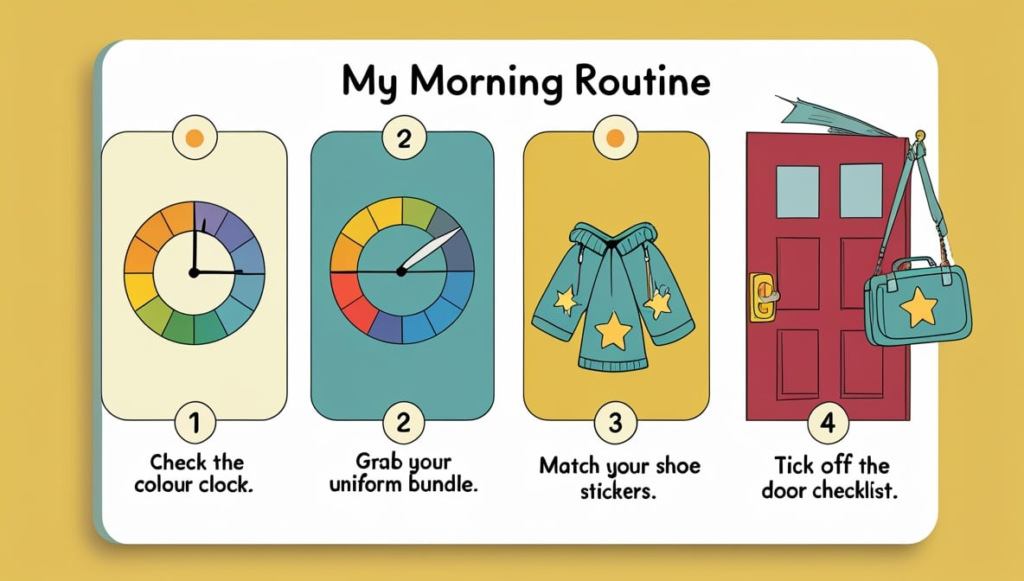
The most effective life hacks are those that fit naturally into your lifestyle. Start by identifying activities that regularly consume too much time, money, or effort.
Use the following approach:
- Identify one everyday problem you want to solve.
- Choose a simple habit or shortcut that addresses it.
- Try it consistently for a few days.
- Notice whether it saves time or makes the task easier.
- Keep the habit if it provides value.
- Gradually introduce other useful changes.
For example, you could begin by preparing your daily to-do list at night, organising your essentials, and tracking your weekly expenses. Once these habits become familiar, add other improvements that suit your needs.
Frequently Asked Questions
1. What are the best simple life hacks for everyday life?
Preparing a daily to-do list, organising frequently used items, planning meals, setting reminders, and tracking expenses are useful everyday life hacks.
2. How can life hacks help save money?
Budgeting, comparing prices, avoiding impulse purchases, reviewing subscriptions, and reducing food waste can help control everyday expenses.
3. What are some life hacks for saving time?
Grouping similar tasks, preparing essentials in advance, using keyboard shortcuts, setting reminders, and reducing unnecessary notifications can help save time.
4. Are life hacks useful for students?
Yes. Students can use planning, time blocking, digital note organisation, reminders, and focused study sessions to manage academic responsibilities more effectively.
5. How can I make my home more organised?
Use labelled storage containers, organise items by category, make use of vertical storage, and spend a few minutes each day decluttering small areas.