

Everyday life can become busy when you have work, household responsibilities, shopping, bills, and personal goals to manage. Small tasks may seem easy individually, but together they can consume a surprising amount of time, money, and energy.
The good news is that you do not need an expensive product or a complicated routine to make life easier. Simple life hacks, such as planning meals in advance, organizing your workspace, avoiding impulse purchases, and automating reminders, can help you manage daily responsibilities more efficiently.
These practical strategies focus on three important goals: using your time wisely, spending money intentionally, and reducing unnecessary effort. Whether you are a student, working professional, freelancer, or homemaker, you can adapt these tips to suit your lifestyle.

1. Life Hacks to Save Time Every Day
Time is one of the most valuable resources you have. A few small changes to your routine can reduce repeated decisions, prevent unnecessary delays, and make everyday tasks easier to manage.
Plan Your Day the Night Before
Spend five to ten minutes every evening preparing for the next day. Write down your main tasks, check your calendar, and identify anything you need to carry with you.
For example, preparing your work bag, charging your devices, and choosing your clothes before going to bed can make your morning less stressful.
Quick hack: Choose your three most important tasks for tomorrow instead of creating an unrealistic list of twenty tasks.
Use the Two-Minute Rule
If a task takes less than two minutes and can be completed immediately, consider doing it rather than postponing it.
Examples include putting away a book, replying to a simple message, adding an appointment to your calendar, or placing dirty dishes in the sink.
However, do not let small tasks interrupt important work. Save them for a suitable moment if you are in the middle of a focused activity.
Batch Similar Tasks Together
Task batching means completing similar activities in one session instead of switching between different types of work repeatedly.
For example, you could answer emails at set times, prepare several meals together, or finish all your weekly shopping in one planned trip.
This approach reduces the time spent switching between activities and helps create a more organized routine.
Create a Dedicated Place for Essential Items
Keep everyday essentials such as keys, your wallet, headphones, chargers, and important documents in designated places.
A small tray near the entrance or an organized drawer can help prevent last-minute searching.
Why it works: You spend less time looking for misplaced items and are less likely to forget important belongings when leaving home.
Use Digital Reminders and Calendars
Digital calendars and reminder applications can help you manage appointments, deadlines, bill payments, and recurring responsibilities.
Set reminders for tasks that are easy to forget, such as renewing a subscription, attending a meeting, or paying a bill.
You can explore AltFTool to discover digital tools that may help simplify planning, productivity, writing, and other everyday tasks.
2. Smart Life Hacks to Save Money
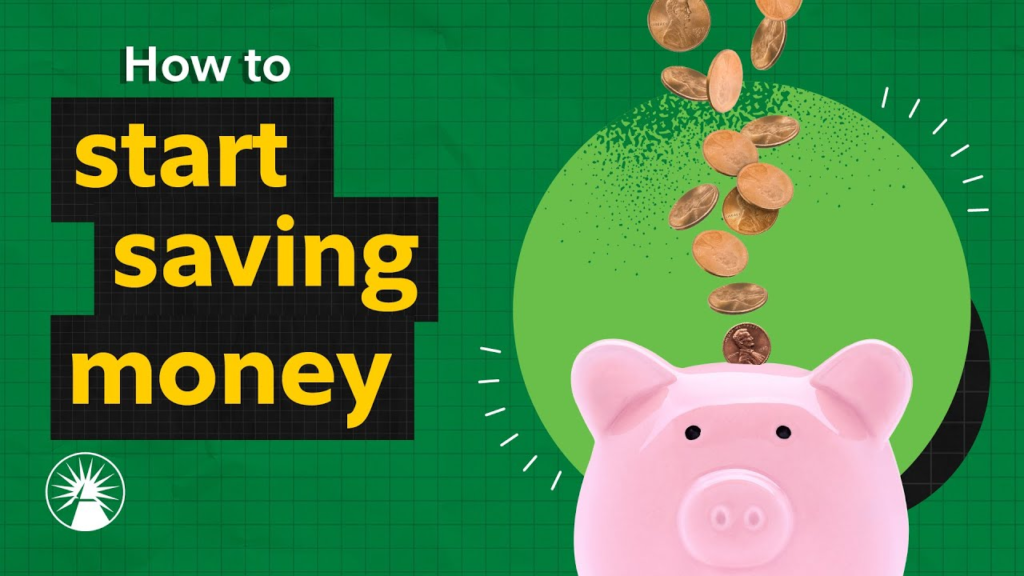
Saving money does not always require making major lifestyle changes. Often, it begins with recognizing small expenses, planning purchases, and making better use of the things you already own.

Make a Shopping List Before Buying Anything
Unplanned shopping can lead to unnecessary purchases, especially when you visit a supermarket without checking what you already have.
Before shopping, review your kitchen, bathroom, and household supplies. Write down what you genuinely need and stick to the list as much as possible.
This simple habit can reduce duplicate purchases, prevent food waste, and make shopping more efficient.
Follow the 24-Hour Rule for Non-Essential Purchases
When you want to buy something that is not urgently needed, wait 24 hours before making the purchase. For more expensive items, consider waiting longer.
During this period, ask yourself whether the item solves a real problem, fits your budget, and offers better value than alternatives.
This approach can help reduce impulse buying without preventing you from purchasing things you genuinely want.
Compare Prices Before Making a Purchase
Different sellers may offer different prices, warranties, delivery charges, or return policies for the same product.
Before buying electronics, clothing, household equipment, or other non-urgent items, compare the total cost rather than focusing only on the advertised discount.
| Shopping Habit | How It Helps | Practical Example |
|---|---|---|
| Compare sellers | Helps identify better overall value | Check the final price, including delivery |
| Use a shopping list | Reduces unnecessary purchases | Buy only the groceries you need |
| Check unit prices | Makes product comparisons easier | Compare the price per kilogram |
| Review subscriptions | Identifies recurring expenses | Cancel services you rarely use |
| Maintain reusable items | Reduces repeated purchases | Carry a reusable water bottle |
Review Your Subscriptions Every Month
Streaming platforms, mobile applications, cloud storage, and other digital services may charge recurring fees.
Once a month, review your bank statements or payment history to identify subscriptions you no longer use. Cancel unnecessary services and check renewal dates before accepting free trials.
Keep useful subscriptions that fit your budget, but avoid paying for multiple services that offer similar benefits unless you genuinely need them.
Prepare Meals at Home More Often
Cooking at home can help you control ingredients, portions, and food spending. Planning several meals in advance can also reduce last-minute takeaway orders.
You do not need to cook every meal from scratch. Preparing basic ingredients, such as washed vegetables, cooked grains, or suitable portions of food, can make weekday meals easier.
Store food safely, refrigerate perishable ingredients promptly, and use older suitable ingredients before opening new ones.
Repair, Reuse, and Maintain Your Belongings
Before replacing an item, check whether it can be cleaned, repaired, or reused safely.
For example, maintaining your shoes, cleaning reusable containers, organizing cables, and protecting electronic devices can extend their useful life.
However, do not attempt unsafe repairs on electrical equipment or other items that require qualified service.
3. Everyday Hacks to Save Energy
Saving energy means reducing unnecessary physical effort and, where possible, lowering household electricity consumption. Small habits can support both goals.

Use Natural Light Whenever Possible
Open curtains or blinds during daylight when privacy and weather conditions allow. Positioning a desk near a window can also reduce the need for artificial lighting during the day.
At night, use suitable energy-efficient LED bulbs. Turn off lights in empty rooms when they are not needed.
Switch Off Unused Electronics
Some devices continue to consume electricity in standby mode. Turn off equipment when appropriate, and consider using a switchable power strip for devices that can safely be disconnected together.
Follow manufacturer instructions for appliances that need to remain powered, such as certain networking devices, security systems, or medical equipment.
Organize Household Tasks to Reduce Repeated Effort
Grouping similar chores can save physical effort and reduce unnecessary movement.
For example, collect laundry before starting a washing cycle, keep cleaning supplies together, and organize kitchen tools near the areas where they are used most often.
You can also use a weekly cleaning schedule so that household tasks are spread across several days instead of becoming one overwhelming job.
Keep Frequently Used Items Within Reach
Arrange your workspace and home according to your routine. Keep regularly used items accessible and store rarely used belongings in less prominent spaces.
A well-organized kitchen, study area, or work desk can reduce repeated bending, searching, and unnecessary movement.
Combine Errands into One Trip
If several errands are in the same area, plan them together when practical. For example, you might buy groceries, collect a parcel, and visit a nearby service provider in one trip.
Check opening hours beforehand and consider traffic, transport costs, and your schedule. Combining errands works best when it saves more time and effort than it requires.
4. Simple Kitchen and Household Life Hacks
Household tasks become easier when you build small systems that reduce mess, waste, and repeated work.
Prepare a Weekly Meal Plan
Choose a few meals before the week begins and check which ingredients you already have.
A simple plan can help you:
- Reduce food waste.
- Avoid repeated grocery trips.
- Prepare meals more quickly.
- Manage food spending.
- Make it easier to maintain a balanced diet.
Leave room for leftovers and unexpected changes. A meal plan should make life easier, not create extra pressure.
Use Clear Containers and Labels
Store suitable pantry ingredients in clean, food-safe containers. Label containers with their contents and, where helpful, opening dates.
This can make ingredients easier to find and help you notice what needs to be used first. Keep food storage conditions appropriate for each ingredient, and do not rely on appearance alone to determine whether food is safe.
Keep a Small Daily Reset Routine
Spend five to ten minutes returning commonly used items to their proper places at the end of the day.
Put away paperwork, clear the main work surface, prepare essential items for the next morning, and deal with small amounts of clutter before they accumulate.
A short daily reset can make your home feel more organized without requiring a major cleaning session every day.
5. Productivity Life Hacks for Work and Study
Whether you work from home, attend college, or manage a busy schedule, a few productivity habits can help you make steady progress.

Start With Your Most Important Task
Identify the task that will make the biggest difference to your day. Work on it during a period when you are usually alert and able to concentrate.
If the task feels too large, divide it into smaller steps. For example, instead of writing “complete assignment,” begin with “research the topic” or “write the first section.”
Try the Pomodoro Technique
The Pomodoro Technique commonly involves 25 minutes of focused work followed by a five-minute break.
You can use a timer to work on one task without checking unrelated notifications. After four sessions, consider taking a longer break.
Adjust the timing to suit your concentration and the type of work you are doing. Some tasks require longer uninterrupted periods.
Keep a Separate List for Unrelated Tasks
When an unrelated idea or reminder comes to mind, write it down instead of immediately switching activities.
For example, if you remember that you need to buy groceries while preparing a presentation, add it to your shopping list and return to the presentation.
This simple habit helps keep your attention on the task in front of you.
Reduce Unnecessary Notifications
Turn off non-essential alerts and schedule specific times to check messages. Keep important calls or work-related alerts enabled when necessary.
A quieter digital environment can make it easier to focus, especially when working on writing, studying, research, or other demanding tasks.
6. Useful Digital Tools for Everyday Life
Technology can make life easier when it solves a specific problem. You do not need dozens of applications; a small collection of useful tools is often enough.
| Tool Type | Everyday Use | Helpful Habit |
|---|---|---|
| Calendar applications | Appointments and deadlines | Add reminders when scheduling events |
| Notes applications | Lists, ideas, and important details | Keep related notes organized |
| Budgeting tools | Spending and expense tracking | Review expenses weekly |
| Cloud storage | Saving and accessing files | Organize folders and protect access |
| AI assistants | Brainstorming and drafting | Verify important information |
| Task managers | Tracking daily responsibilities | Review priorities each morning |
Before using a digital tool, check its pricing, privacy policy, permissions, and compatibility with your devices.
The best tool is one that saves more time or effort than it takes to manage.
7. Common Life Hack Mistakes to Avoid
Not every popular life hack is practical, safe, or worth following. A useful shortcut should simplify your routine without creating additional problems.
| Mistake | Why It Can Be a Problem | Better Approach |
|---|---|---|
| Buying organizers before decluttering | Creates extra spending and clutter | Sort existing belongings first |
| Following every online hack | Some advice may be ineffective or unsafe | Check whether the method is reliable |
| Using too many productivity apps | Increases complexity | Choose tools with clear benefits |
| Ignoring product instructions | Can damage appliances or belongings | Follow manufacturer guidance |
| Cutting essential expenses | May affect health or daily needs | Focus on avoidable spending |
| Creating an unrealistic routine | Makes habits difficult to maintain | Start with one or two changes |
A life hack should be practical, affordable, and suitable for your circumstances. If it requires more effort than the original task, it may not be worth keeping.
8. A Simple Seven-Day Life Hack Challenge
You can start improving your routine without changing everything at once. Try one small habit each day and continue using the ones that work for you.
| Day | Life Hack | Goal |
|---|---|---|
| Day 1 | Plan tomorrow’s tasks | Save time in the morning |
| Day 2 | Review one week of expenses | Identify avoidable spending |
| Day 3 | Organize your everyday essentials | Reduce time spent searching |
| Day 4 | Turn off unnecessary notifications | Improve concentration |
| Day 5 | Plan meals and groceries | Reduce waste and unplanned purchases |
| Day 6 | Switch off unused lights and devices | Reduce unnecessary electricity use |
| Day 7 | Review subscriptions and routines | Identify further improvements |
At the end of the week, ask yourself which habits made the biggest difference. Keep the useful ones and change anything that felt difficult or unnecessary.
Frequently Asked Questions
1. What are the best life hacks for everyday life?
Some of the most practical life hacks include planning your day in advance, keeping essential items organized, preparing meals, tracking spending, reducing unnecessary notifications, and using reminders for important tasks.
2. How can I save money with simple life hacks?
Create a shopping list, compare total prices, avoid impulse purchases, review subscriptions, reduce food waste, and maintain your belongings. These habits can help reduce avoidable expenses over time.
3. How can life hacks help me save time?
Planning ahead, batching similar tasks, organizing frequently used items, setting reminders, and reducing distractions can make daily activities more efficient.
4. What are some easy energy-saving habits at home?
Use natural daylight when possible, switch off unused lights, choose suitable energy-efficient bulbs, and use appliances according to their instructions. These habits can help reduce unnecessary electricity consumption.