
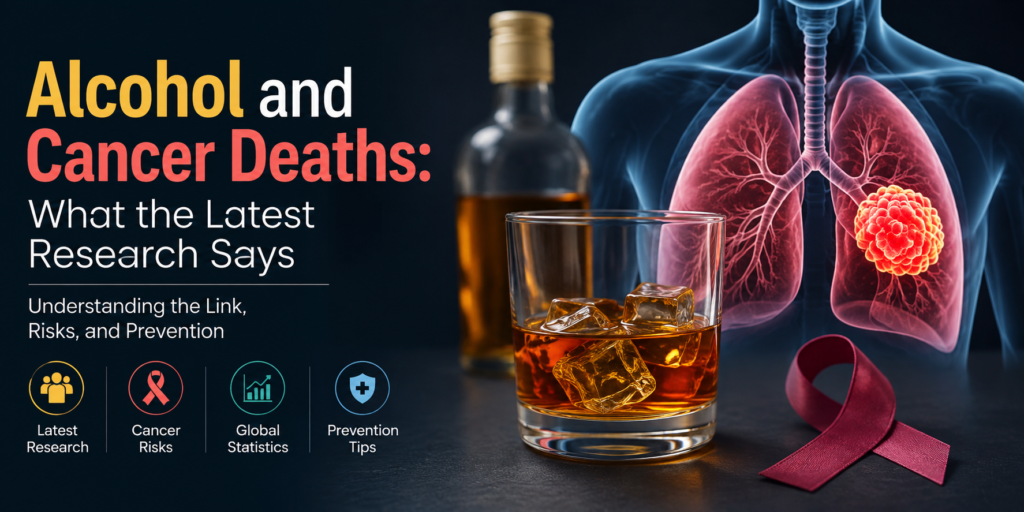

When most people talk about how alcohol affects the body, the conversation almost always lands on one specific organ: the liver. We’ve all heard about fatty liver disease, cirrhosis, or the dreaded morning-after hangover.
But over the last few years, health organizations and researchers have been trying to shine a spotlight on another connection that rarely gets enough airtime at the dinner table or the bar: the direct link between alcohol consumption and cancer risk.
In fact, global health agencies like the International Agency for Research on Cancer (IARC) classify alcoholic beverages as a Group 1 carcinogen to humans. That places it in the exact same scientific hazard category as tobacco, asbestos, and ultraviolet radiation.
That revelation can feel jarring. Most of us don’t think of a weekend glass of pinot noir or a cold craft beer after a brutal work week as a carcinogen. But understanding what the science actually says isn’t about making you feel guilty for enjoying a drink—it’s about having honest, transparent information so you can make informed choices about your own body.
Let’s break down the latest research, cut through the confusing medical jargon, and look at what this means in the real world.
How Strong Is the Link, Really?
The short answer? The scientific consensus is rock-solid. Researchers are no longer asking if alcohol is linked to cancer—they are studying how much exposure increases risk across different populations.
According to global research estimates published by IARC, alcohol consumption was directly linked to roughly 741,000 new cancer cases worldwide in a single year, accounting for about 4% of all global cancer diagnoses. The majority of these cases were tied to cancers of the esophagus, liver, and female breast tissue.
       [ Global Cancer Diagnoses Attributable to Alcohol ]
                             ~741,000
                                |
       +------------------------+------------------------+
       |                        |                        |
[ Esophageal Cancer ]    [ Female Breast Cancer ]    [ Liver & Colorectal ]
   High correlation         Extremely common         Frequent in heavy
   with tissue damage       due to hormone shifts     long-term consumers
It is worth pausing here for a crucial reality check: a 4% global population risk does not mean every single person who drinks will develop cancer.
Cancer is a complex, multi-factorial disease influenced by genetics, environment, diet, exercise, and pure biological luck. What the statistics show us is a population-level probability. Drinking alcohol adds fuel to a fire—it raises the statistical odds, but it isn’t an absolute guarantee of illness.
The 7 Cancers Directly Linked to Alcohol
Many people are surprised to learn that alcohol doesn’t just affect the digestive tract where it gets swallowed. Because alcohol enters the bloodstream, its metabolic byproducts circulate throughout the entire body.
IARC currently recognizes direct causal links between alcohol consumption and seven distinct types of cancer:
| Cancer Location | How Alcohol Plays a Role | Real-World Context & Risk Factors |
| Mouth (Oral Cavity) | Direct contact irritates delicate mucosal tissue lining the mouth | Risk shoots up exponentially if combined with smoking or vaping. |
| Throat (Pharynx) | Constant exposure during swallowing causes chronic inflammation | Higher risk linked to spirits and frequent, heavy daily drinking. |
| Voice Box (Larynx) | Vapor and tissue contact irritate vocal cords and throat structures | Chronic hoarseness is often an early warning sign in heavy drinkers. |
| Esophagus | DNA-damaging acetaldehyde makes direct contact with esophageal cells | Strongest link found in esophageal squamous cell carcinoma. |
| Liver | Chronic processing leads to inflammation, cirrhosis, and cellular mutation | Liver cells mutate while trying to repair constant tissue scarring. |
| Colorectum (Colon/Rectum) | Metabolites disrupt the gut microbiome and damage intestinal lining | Risk increases steadily with regular daily consumption over time. |
| Female Breast | Alcohol elevates circulating estrogen levels in the body | One of the most overlooked risks: Even light drinking increases odds. |
Why Does Alcohol Cause Cancer in the First Place?
To understand why a cocktail or a beer can increase cancer risk, you have to look at what happens inside your body after you take a sip. It isn’t just about the liquid sitting in your stomach—it’s about the chemistry of how your body breaks it down.
 [ Drink Alcohol (Ethanol) ]
              |
              v
 [ Liver Processes Ethanol ]
              |
              v (Converts into)
 [ Acetaldehyde (Toxic Chemical) ] ===> [ Damages Cellular DNA & Prevents Repair ]
              |
              v
 [ Increased Risk of Cellular Mutation (Cancer) ]
1. The Acetaldehyde Problem
When you drink, your liver works hard to break down the ethanol in alcohol. During this process, an enzyme converts ethanol into a compound called acetaldehyde.
Acetaldehyde is a harsh, toxic chemical compound. In high concentrations, it literally damages the DNA inside your cells and prevents your body from repairing that DNA properly. When DNA repair mechanisms fail, cells can begin to replicate uncontrollably—which is how tumors start.
2. Hormonal Disruptions (Especially Estrogen)
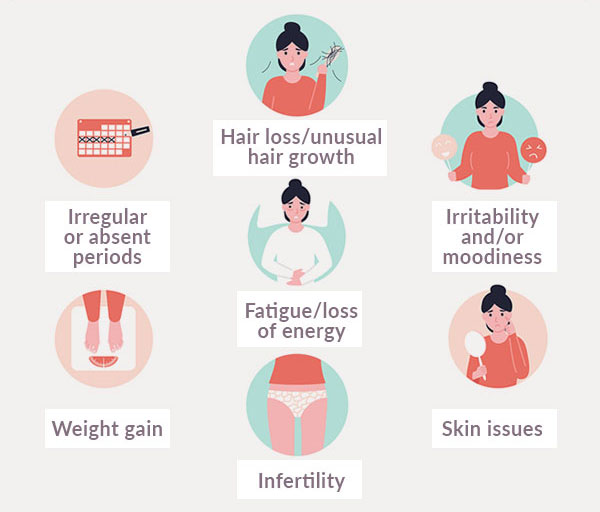
Alcohol alters how the body processes and regulates hormones, particularly estrogen. Higher levels of circulating estrogen are strongly linked to an increased risk of hormone-receptor-positive breast cancer in women. This explains why breast cancer accounts for a massive portion of all alcohol-related cancer diagnoses globally.
3. Nutrient Depletion and Gut Health
Alcohol interferes with your body’s ability to absorb essential vitamins—most notably folate (Vitamin B9), which is critical for maintaining healthy DNA synthesis. Furthermore, chronic drinking alters the delicate gut microbiome, creating localized, low-grade chronic inflammation throughout the colon and rectum.
Does How Much You Drink Matter? (And What About Beer vs. Wine?)
There are two major myths that pop up whenever this topic comes up:
- “Only heavy alcoholics need to worry about this.”
- “Red wine is actually good for you, so it doesn’t count.”
Let’s address both using what current research demonstrates.
The “Dose-Dependent” Curve
Research clearly shows a dose-dependent relationship: the more you drink, and the more frequently you drink, the higher your cancer risk climbs. Heavy drinkers face significantly higher statistical risks than light drinkers.
However, global health data reveals that there is no clear “zero-risk” threshold. Light to moderate drinking (defined as one drink a day or less) still carries a slightly higher risk for certain cancers—particularly breast and esophageal cancer—compared to complete abstinence.
Beer vs. Wine vs. Spirits: Is Any Drink “Safer”?

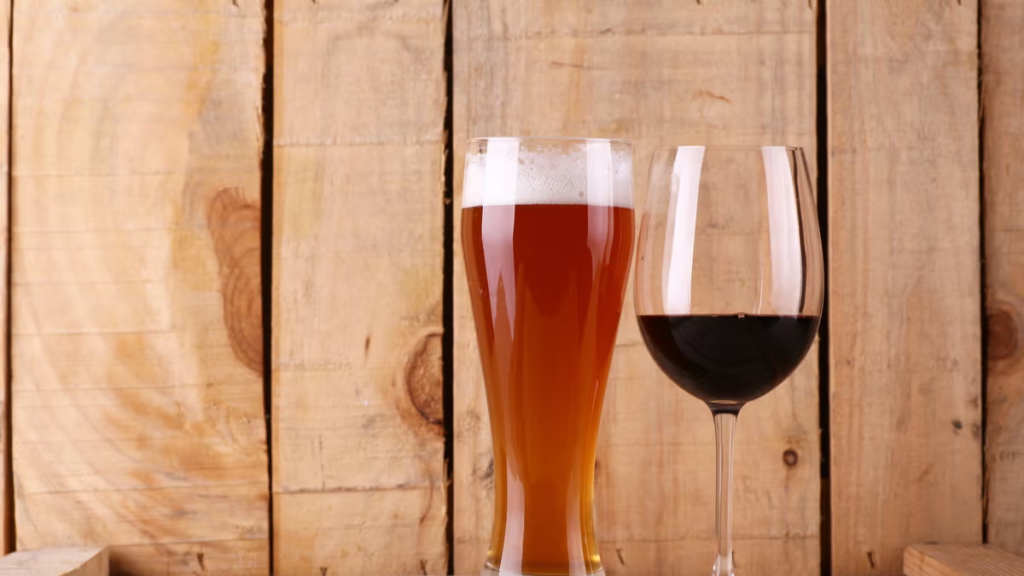
From a biological standpoint, your body doesn’t care whether ethanol came from an expensive, aged Napa Valley Cabernet, a craft IPA, or a shot of tequila. Ethanol is ethanol. Once it enters your liver, it converts into the exact same DNA-damaging acetaldehyde regardless of the price tag or the label on the bottle.
While red wine contains tiny amounts of antioxidants like resveratrol, scientific reviews show that the negative impact of the ethanol far outweighs any subtle antioxidant benefit when it comes to cancer risk.
The Dangerous Multiplier: Combining Alcohol and Tobacco
If alcohol acts like fuel on a fire, adding tobacco is like pouring gasoline directly onto the flames.
       [ Individual Exposures ]                 [ Combined Exposure ]
  Alcohol Alone  ===> Moderate Risk \
                                     ===> MULTIPLIED (Synergistic) RISK
  Tobacco Alone  ===> Moderate Risk /
Researchers have long noted a synergistic effect between alcohol and smoking. Alcohol acts as a solvent, breaking down the protective mucus layer in your mouth and throat. This makes the delicate tissue underneath significantly more permeable, allowing the harmful carcinogens in tobacco smoke to absorb much faster directly into your cells.
People who both drink and smoke regularly have an exponentially higher risk of developing cancers of the mouth, throat, larynx, and esophagus compared to people who only do one or neither.
Can Cutting Back or Quitting Actually Lower Your Risk?
Here is the most encouraging part of the research: your body has an incredible capacity to heal.
Scientific reviews show that when people reduce their alcohol intake or stop drinking altogether, their risk for several alcohol-related cancers begins to drop over time.
[ Stop or Reduce Alcohol ] ===> [ Tissues Stop Facing Chronic Irritation ]
                           ===> [ Acetaldehyde Levels Drop ]
                           ===> [ DNA Repair Systems Recover ]
                           ===> [ Cancer Risk Drops Year After Year ]
- Mouth and Throat Cancers: Risk levels begin to decline noticeably within a few years of quitting alcohol.
- Esophageal & Liver Cancers: Long-term reduction gives liver tissue time to regenerate, significantly lowering the risk of cirrhosis-related liver cancer.
While it can take up to a decade for a former heavy drinker’s risk levels to drop back down to that of a non-drinker, the healing process begins almost immediately after chronic tissue exposure stops. Every step toward reduction makes a real, measurable difference.
Practical, Human Steps to Reduce Your Risk

You don’t necessarily have to flip your life upside down overnight or feel ashamed if you enjoy an occasional drink. The goal of modern public health advice isn’t strict moral judgment—it’s harm reduction.
Here are a few realistic, low-stress strategies to help lower your overall intake:
- Incorporate “Dry Days”: Instead of drinking automatically every evening out of habit, designate 4 to 5 non-drinking days every week to give your liver and cellular repair systems a clean break.
- Explore Non-Alcoholic Alternatives: The non-alcoholic beer, spirit, and mocktail market has exploded in recent years. Many options taste remarkably close to the real thing without delivering ethanol to your bloodstream.
- Pace Yourself with Water: Alternate every alcoholic beverage with a full glass of water. This naturally slows down your drinking pace and keeps you hydrated.
- Re-evaluate Social Triggers: If your social life revolves entirely around bars, try shifting an outing toward an activity that doesn’t involve drinking as the default—like hiking, seeing a movie, or grabbing coffee.
- Best Urban Living Tools 2026: Smart City Life Made Easy

- Top Local Attractions 2026: Places to See & Things to Do

- Fitness Tracking Apps: Best Tools for Staying Active in 2026

- Ultimate City Travel Guide 2026: Top Places & Things to Do

- Best Diet Tracking Apps in 2026 for Smarter Nutrition

- Best Scheduling Tools 2026: Smart Apps for Better Time Managements

FAQs
Can alcohol directly cause cancer?
Yes. Medical agencies worldwide classify alcohol as a direct cause of seven different types of cancer, including breast, liver, colorectal, and esophageal cancers.
Is red wine safer than beer or liquor regarding cancer risk?
No. Cancer risk is driven by ethanol, which is present in all alcoholic drinks. Your body converts ethanol into toxic acetaldehyde regardless of whether you are drinking wine, beer, or liquor.
Does quitting alcohol immediately lower your cancer risk?
Risk reduction begins quickly because tissue irritation stops, but it takes several years of sustained reduction or abstinence for your risk levels to approach those of a non-drinker.
Does smoking make alcohol-related cancer risks worse?
Yes. Alcohol and tobacco have a synergistic effect—alcohol dissolves cellular membranes in your throat and mouth, allowing tobacco carcinogens to enter your cells much more easily.