

Let’s be honest about home organization for a moment: most of the advice you see on social media is completely fake.
Those hyper-curated photos featuring crystal-clear acrylic pantries with every single cereal box decanted into matching containers look incredible for about forty-eight hours. Then real life happens. You come home exhausted from work, dump a bag of groceries on the counter, throw your mail on the entryway table, and within a week, your pristine home looks like a bomb went off again.
True home organization isn’t about creating a picture-perfect showroom that requires a full-time staff to maintain.
In 2026, real organization is about building low-friction, human-centered systems. It means setting up your living space so that putting an item away takes zero effort, keeping your daily routines smooth, and stopping clutter at the front door before it spreads across your entire house.
Here is your complete, human-first guide to organizing your home—without spending your entire weekend cleaning or wasting money on useless plastic containers.
Part 1: The “Low-Friction” Rule of Organization
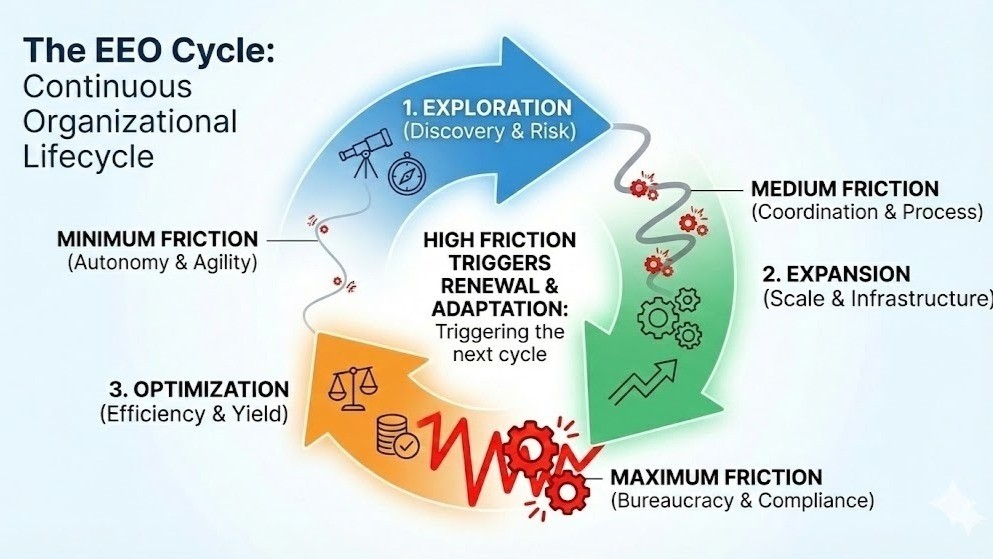
Why do most organization attempts fail after two weeks? Because people design systems for who they wish they were, rather than how they actually live.
Every time you put an item away, your brain calculates the physical and mental effort required to do so. Psychologists call this “friction.”
  HIGH-FRICTION SYSTEM (Destined to Fail):
  Item in hand ──> Walk across house ──> Open closet ──> Unstack 3 boxes ──> Put item away ──> (Result: Item left on counter instead)

  LOW-FRICTION SYSTEM (Stays Organized):
  Item in hand ──> Drop into open basket right where you stand ──> Done
The 2-Second Rule
If putting something back where it belongs takes more than two seconds or requires more than two physical actions (e.g., opening a door, lifting a lid, moving another box out of the way), you will eventually stop doing it.
- High Friction: A covered storage box sitting under three other boxes in the back of a closet.
- Low Friction: An open, labeled canvas bin sitting on a shelf right at eye level.
To keep your home tidy, always prioritize open, accessible, single-step storage over hidden, complex, multi-tiered systems.
Part 2: The Practical Tool Matrix for Real Homes
Before buying random containers at the store, figure out which tools actually solve specific storage headaches in your layout:
| Home Zone | Common Clutter Problem | The Low-Friction Fix | Maintenance Effort | Real-Life Practicality Score |
| Kitchen Junk Drawer | Tangled cables, loose batteries, keys | Adjustable spring-loaded drawer dividers | 1 min per month | Absolute Necessity |
| Pantry & Cabinets | Knocking over sauce bottles in the back | Turntables (Lazy Susans) & Shelf Risers | Zero maintenance | Massive Daily Value |
| Entryway & Hallway | Shoes & mail piling up by the front door | Open wire baskets & wall-mounted peg hooks | 5 seconds daily | High Friction-Reducer |
| Closet & Wardrobe | Piles of clothes on “The Chair” | Over-the-door hanging racks & shelf bins | 2 mins weekly | High Utility |
| Under-Bed Space | Dusty, forgotten junk scattered underneath | Shallow rolling storage drawers with clear lids | 5 mins seasonal | Great for Small Homes |
| Work Desk / Office | Cable chaos hanging behind the table | Under-desk tray channels & Velcro straps | Set once & forget | Essential Focus-Booster |
Part 3: Zone-Based Organization (Organize by Action, Not Room)
The traditional way people organize is room-by-room: “Today I am doing the bedroom, tomorrow the kitchen.”
A far more effective, human approach in 2026 is Activity Zoning. Group your belongings based on where you actually perform the activity, regardless of where traditional logic says the item should live.
1. The Entryway “Drop Zone”
The entryway is your home’s first line of defense against chaos. When you step through the front door carrying bags, mail, coats, and keys, you need an immediate place to unload.
- Set up a small table or wall shelf right by the door.
- Place an open tray for keys and wallets.
- Install heavy-duty hooks for bags and jackets at shoulder height.
- Place an open shoe rack or large basket directly underneath for daily footwear.
If you have to walk twenty feet into a bedroom closet just to hang up your daily coat, your coat will end up draped over a dining chair every single time.
2. The Kitchen “Action Hubs”

Instead of spreading baking items across three different cupboards, group items by task:
- The Morning Hub: Coffee maker, coffee beans, filters, mugs, and sweeteners all stored within arm’s reach of the water source.
- The Cooking Hub: Oils, salt, pepper, common spices, and spatulas arranged right next to the stove on a rotating Lazy Susan.
Part 4: Smart Digital Inventory for Hidden Storage
For seasonal items, holiday decorations, extra bedding, and archival paperwork, digital tracking tools can save you from digging through ten sealed boxes just to find one item.
How to Build a Simple Digital System
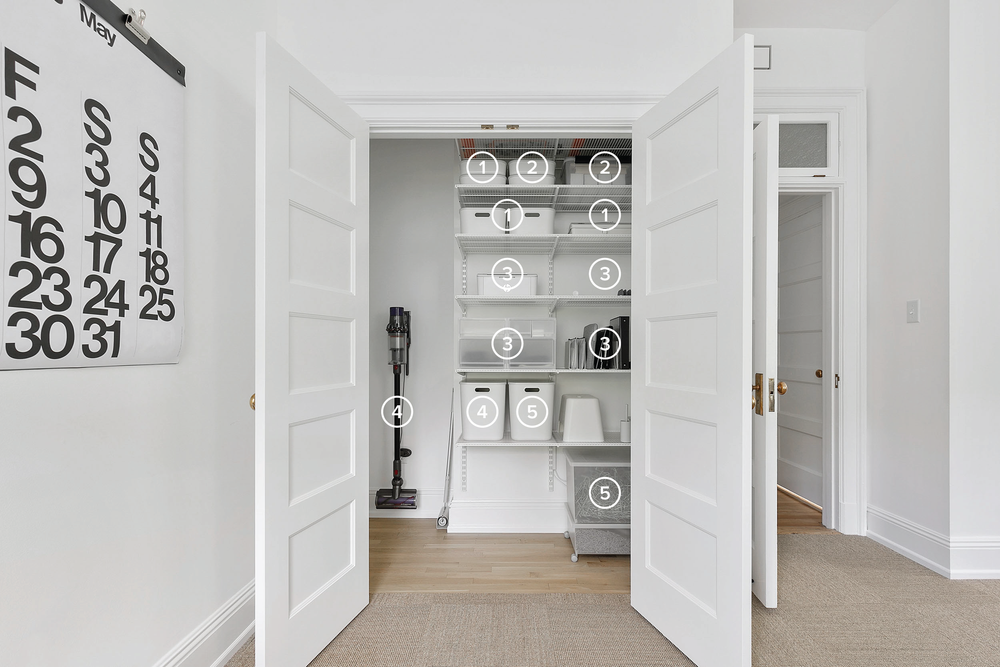
- Label Boxes by Number: Assign every opaque storage box a bold, permanent number (e.g., Box 01, Box 02).
- Create a Master Note: In your phone’s default notes app, create a entry titled “Storage Inventory.”
- List Contents & Snap Photos: Type out the items inside each numbered box and attach a quick photo before closing the lid.
- Search Instantly: Six months later, when you are looking for your winter gloves, simply search “gloves” in your notes app. The phone instantly tells you: “Box 04, Top Shelf of Closet.”
Part 5: The “One-In, One-Out” Maintenance System
You cannot organize your way out of having too much stuff. The best organization tool in the world will fail if your drawers are packed to 110% capacity.
  THE EQUILIBRIUM RULE:
  Buy 1 New Pair of Shoes ──> Donate / Toss 1 Old Pair of Shoes = Zero Added Clutter
To maintain an organized house over the long term without spending hours cleaning every weekend, adopt the One-In, One-Out Rule:
- Whenever a new shirt, pair of shoes, kitchen gadget, or book enters your home, choose an existing item in that same category to donate, sell, or throw away.
- Keep a dedicated “Outbox Basket” in the bottom of your closet or garage. Whenever you notice an item that no longer fits, functions, or brings you value, toss it into the Outbox. When the basket fills up, drop it off at a local charity center.
- Ultimate City Travel Guide 2026: Top Places & Things to Do

- Best Diet Tracking Apps in 2026 for Smarter Nutrition

- Best Scheduling Tools 2026: Smart Apps for Better Time Managements

- Smart Home Organization Tools 2026: Simple Ways to Stay Organized
- Best Smart Tools in 2026: AI-Powered Tools You Need

Frequently Asked Questions
1. What is the single best organization tool to start with on a budget?
Simple adjustable drawer dividers and open storage bins offer the highest return on investment. They immediately turn chaotic, deep drawers and cluttered shelves into defined, easy-to-use functional spaces without requiring expensive custom built-ins.
2. How do I stop family members or housemates from ruining organized spaces?
Involve them in designing the system, and make putting things away as simple as possible. If someone consistently drops their mail or jacket on the counter, don’t yell at them—move a hook or an open basket directly to the exact spot where they naturally drop their things.
3. How do I get rid of emotional attachment to old items I don’t use?
Try the “Photo Strategy.” Take a high-resolution photo of the nostalgic item on your phone to preserve the memory, then donate or pass the physical object along to someone who can actually use it today. Separating the memory from the physical clutter makes letting go much easier.
4. How long should a daily home maintenance routine take?
A functional maintenance routine should take no longer than 10 to 15 minutes each evening. Set a timer, do a quick sweep of high-traffic areas (kitchen counters, living room coffee table, entryway), return daily items to their home zones, and reset the space for the next morning.
